






The Challenge of the Concrete Jungle
For millions living in bustling cities, the connection to where food comes from is severed. Produce travels hundreds, sometimes thousands, of miles, losing freshness and nutrients along the way. In dense urban landscapes like Chennai, the capital of India’s
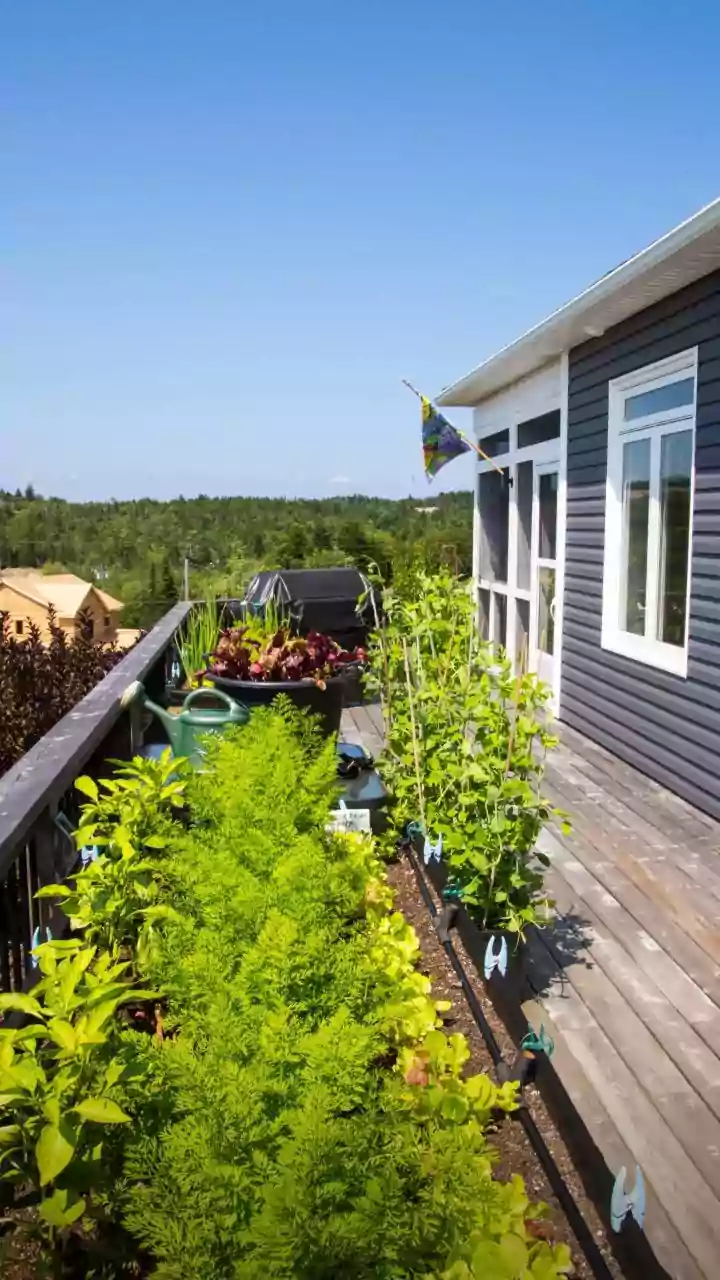
Tamil Nadu state, rooftops and balconies represent untapped potential—small patches of personal space that could become green, productive oases. But starting a garden isn't easy. It requires knowledge, time, and an upfront investment in soil, seeds, and containers, which can be a barrier for many families. Recognizing this, the state government decided to tackle the problem not with a suggestion, but with a powerful incentive.
How the Program Nearly Eliminates Risk
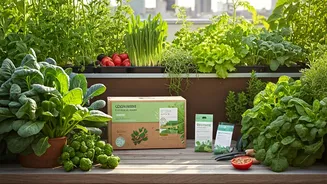
While the headline’s claim of being “completely risk free” is a slight overstatement, the reality isn’t far off. Through its Department of Horticulture, the Tamil Nadu government launched the Urban Greening Mission, which offers “Do-It-Yourself” (DIY) kits for rooftop gardening at a massive discount. A typical kit, valued at around ₹900 (about $11), is sold to residents for just ₹225 (under $3). This small fee effectively removes the financial risk of starting a garden. The kit is a gardener’s starter pack in a box: six types of vegetable seeds, three bags for growing, a block of compressed coco-pith (a sustainable alternative to soil), and packets of bio-fertilizers and bio-pesticides. By providing everything needed for a first harvest, the state isn’t just subsidizing a hobby; it’s subsidizing self-sufficiency and food security.
More Than Just Tomatoes
The goals of the initiative extend far beyond supplementing the dinner table. State officials promote it as a multi-pronged solution to modern urban ills. First, there's the environmental benefit. Thousands of small gardens collectively help increase green cover, which can mitigate the “urban heat island” effect, where concrete and asphalt make cities significantly
A Model for American Cities?
The success of Tamil Nadu's program offers a compelling case study for U.S. cities grappling with similar issues. Across America, the urban agriculture movement is gaining momentum, with community gardens and rooftop farms sprouting up from Detroit to Los Angeles. However, many of these are grassroots efforts or non-profit initiatives that often struggle with funding and scale. The Tamil Nadu model presents an alternative: a government-led, top-down approach that empowers individuals at a massive scale. Imagine if cities dealing with “food deserts”—areas with limited access to affordable, fresh food—offered similarly subsidized kits to residents. It could transform unused balconies, patios, and yards into a distributed network of micro-farms, fostering community resilience, improving nutrition, and providing a powerful tool for public engagement. It’s a lesson in how a small, strategic investment can yield an enormous return in public well-being.