





The International Aisle
Imagine scrolling through Instagram and seeing a friend’s travel photos: not of the Eiffel Tower or a tropical beach, but of a shopping cart overflowing with gourmet cheeses, exotic spices, and designer chocolates in a Dubai supermarket. This is “grocery
tourism,” a niche but fascinating trend gaining traction among India's upper and upper-middle classes. These aren't emergency trips for a forgotten carton of milk. They are meticulously planned excursions, often tacked onto a holiday, to destinations like Dubai, Thailand, Vietnam, and Singapore. Travelers return with suitcases laden not with typical souvenirs, but with high-end food items, cosmetics, and electronics. The phenomenon has its own social media footprint, with unboxing videos and “haul” posts showcasing everything from Belgian biscuits and Swiss chocolates to specific brands of olive oil and Japanese snacks—all purchased thousands of miles from home.
More Than a Bargain Hunt
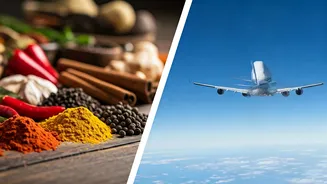
While the initial assumption might be that these trips are about saving money, the reality is more complex. For certain big-ticket items like the latest iPhone, the price difference in a market like Dubai can indeed be substantial enough to offset the cost of a flight. However, when it comes to groceries, the motivation is rarely about pinching pennies. Instead, it’s driven by a trifecta of quality, variety, and authenticity. Many imported food brands are either unavailable in India or sold at a significant markup with questions about freshness. For a burgeoning class of globalized Indians with discerning palates, flying to a hub like Dubai means direct access to European cheeses, authentic dates and spices, and a wider range of organic and specialty health foods. It’s a quest for the genuine article, a rejection of the limited selection or perceived lower quality of imported goods available back home.
The 'Gram-Worthy Grocery Run
This is where the “making it fashion” part of the headline truly comes to life. A grocery trip abroad is the ultimate form of conspicuous consumption, cleverly disguised as a practical errand. It’s a powerful social signal, broadcasting a lifestyle of casual wealth and global mobility. The ability to fly to another country for groceries implies you have the time, money, and sophisticated taste to do so. Posting about your shopping spree at a Carrefour in Dubai or a Marks & Spencer in Bangkok isn't just about showing off your haul; it's about curating an image of being a world traveler who doesn't just visit landmarks but *lives* internationally. The grocery cart becomes a prop in a larger performance of status. This trend elevates the mundane, transforming a chore into an experience, a story, and a subtle but undeniable flex.
A Sign of a New India
On a broader scale, grocery tourism is a small but potent symbol of India's changing economic landscape. It reflects the explosive growth of an aspirational consumer class with disposable income and global tastes. Just a generation ago, foreign travel was a rare luxury for most. Today, for a significant segment of the population, it's an integral part of their lifestyle. This trend highlights the increasing integration of India's elite into global consumer culture. They are exposed to international brands and trends through media and travel, and they want the same access and quality at home. When the local market can't keep up, they simply bypass it. This behavior is a quiet commentary on domestic retail limitations, import duties, and the ever-growing desire for a globalized standard of living among those who can afford to chase it.