

Start with Simple Water Propagation
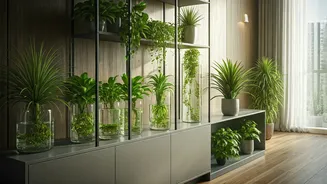
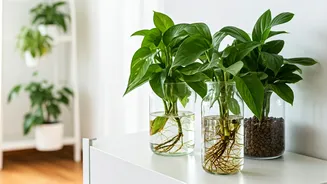
This is the cleanest and most accessible entry point into the world of soilless plants. Many of the most popular and forgiving houseplants can live happily for months, or even indefinitely, in a simple vase of water. The key is to choose the right plant.
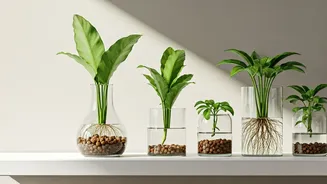
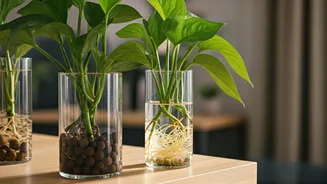
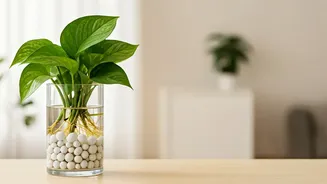
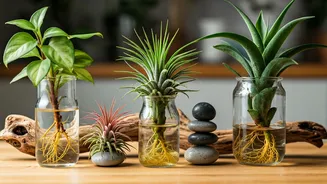
Vining species like Pothos (Epipremnum aureum) and Heartleaf Philodendron are champions of water propagation. Simply take a cutting with a few leaves and at least one node (the little bump where a leaf meets the stem) and place it in a glass vessel filled with tap water. Change the water every week or so to keep it fresh and oxygenated. The visual appeal is a huge bonus—watching the roots develop in a clear jar is a fascinating process that turns plant care into a living art project.
Graduate to LECA Clay Pebbles
If you want something more substantial than water but still want to ditch the dirt, meet LECA (Lightweight Expanded Clay Aggregate). These small, porous clay balls are a sterile, pH-neutral substitute for soil. They absorb water and release it slowly to the plant's roots, preventing both overwatering and the risk of root rot. To get started, you'll need to thoroughly rinse the LECA and transfer a soil-based plant by carefully washing all the dirt from its roots. It’s a bit of a project initially, but the payoff is a clean, reusable system that’s less prone to pests like fungus gnats, which lay eggs in damp soil. Plants that enjoy consistent moisture but need good aeration, like Monsteras, Alocasias, and many orchids, can thrive in a LECA setup.
Embrace the Magic of Air Plants
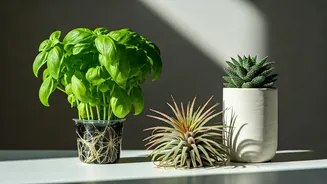
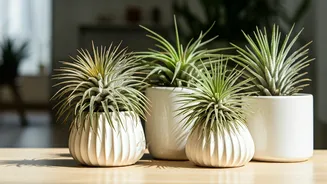
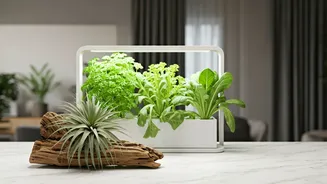
For the ultimate zero-mess experience, look no further than air plants (Tillandsia). These fascinating epiphytes don't require any potting medium at all. In their native habitats in the Southern U.S., Mexico, and Central and South America, they cling to trees and rocks, absorbing all the moisture and nutrients they need from the air through special scales on their leaves. At home, their care is simple: give them bright, indirect light and a good soak in a bowl of water for 20-30 minutes every one to two weeks. After their bath, gently shake off excess water and let them dry upside down to prevent rot. You can display them in terrariums, on pieces of driftwood, or in minimalist metal holders, adding a touch of sculptural, soil-free greenery to any nook in your apartment.
Try Kokedama, the Japanese Moss Ball
Kokedama is a traditional Japanese garden art form that translates to “moss ball.” It involves wrapping a plant's root ball in a special mixture of sticky soil, then covering it in a sheet of moss and securing it with string. While it does contain some soil, the entire package is self-contained, eliminating the risk of spills and loose dirt. The finished kokedama can be placed on a decorative dish or hung from the ceiling, creating a stunning floating effect. It’s a beautiful, stylish way to contain the mess while creating a living piece of sculpture. Many different plants can be adapted to kokedama, but ferns, ivy, and flowering plants like begonias are popular choices. You can buy them pre-made or get a DIY kit for a fun weekend project.
Adopt Smarter Potting Habits
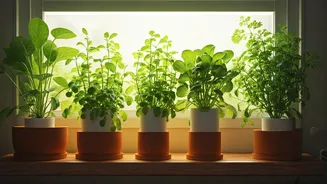
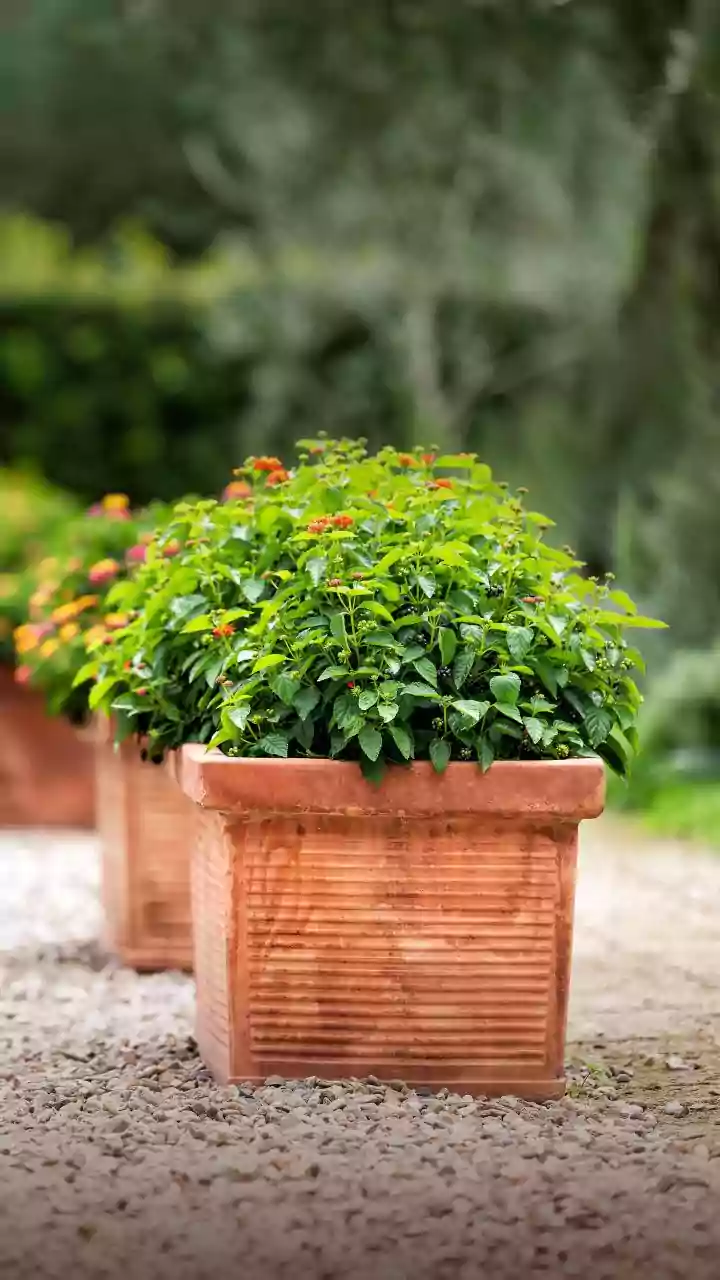
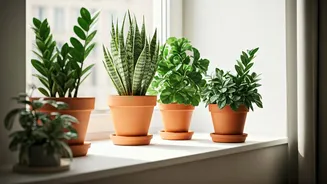
If you're still committed to traditional soil-based plants—and many, like cactuses or large floor plants, require it—you can still dramatically reduce the mess. First, invest in a large, waterproof potting mat. These foldable tarps have raised edges that contain all the dirt, making cleanup as simple as folding it up and pouring the excess back into the bag. Second, try bottom-watering. Instead of pouring water onto the topsoil and risking a muddy overflow, place your pot (it must have a drainage hole) in a tray of water for about 30 minutes. The soil will wick up exactly as much moisture as it needs, reducing soil compaction and keeping the top layer dry and less hospitable to pests. Finally, always use a saucer under every pot. It’s the simplest and most effective way to protect your floors and furniture from water damage.