


The Problem with Diet Panic
Remember the feeling? The pre-vacation crash diet, the post-holiday guilt, the mental list of 'good' and 'bad' foods. This is 'diet panic'—a state of high-anxiety eating driven by rigid rules and the fear of failure. For years, this was the dominant cultural
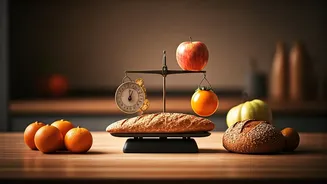
script for health and weight management. It spawned a multi-billion dollar industry promising quick fixes through cabbage soup, grapefruit-only regimens, and ultra-low-carb plans. The problem, as millions have discovered, is that this approach is fundamentally broken. Extreme restriction often leads to nutrient deficiencies, muscle loss, and a psychological backlash known as the 'restrict-binge' cycle. Research has consistently shown that the vast majority of restrictive diets fail long-term, with many people regaining the weight they lost and then some. This cycle is not only ineffective but also emotionally and mentally exhausting, creating a fraught, adversarial relationship with the very thing that’s meant to nourish us.
A Shift from Restriction to Addition
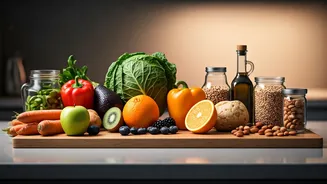
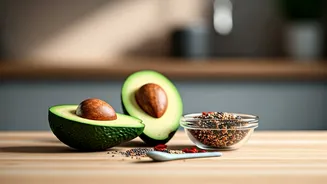
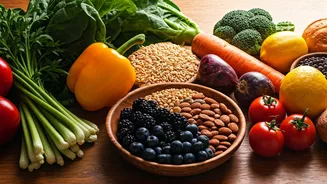
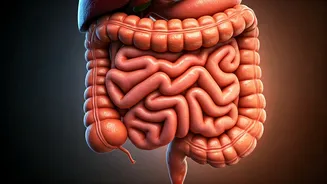
The new philosophy isn’t about finding a better, more punishing diet. It’s about abandoning the diet mindset altogether. Instead of obsessing over what to *remove*, the focus is shifting to what we can *add* to our plates to enhance our health and well-being. This 'addition' mindset is liberating. It reframes eating as an opportunity for nourishment, not an exercise in deprivation. Instead of banning carbs, you focus on adding fiber-rich whole grains. Instead of fearing fat, you focus on adding healthy sources like avocado, nuts, and olive oil. This subtle but profound change encourages building plates that are both satisfying and nutrient-dense. It’s a proactive, positive approach. By prioritizing foods that offer vitamins, minerals, protein, and fiber, you naturally crowd out less nutritious options without ever having to declare them 'forbidden.' This creates a sustainable way of eating that supports stable energy levels, better digestion, and a more positive mental state.
Understanding 'Intuitive Eating'
This cultural shift has a name: intuitive eating. Coined in the 1990s by dietitians Evelyn Tribole and Elyse Resch, this framework is now entering the mainstream. It’s an anti-diet philosophy built on 10 core principles, including 'Honor Your Hunger,' 'Make Peace with Food,' and 'Respect Your Fullness.' The core idea is to reconnect with your body’s internal wisdom. For years, diet culture has taught us to ignore our hunger cues and follow external rules—eat at this time, eat this much, don’t eat that. Intuitive eating teaches the opposite. It encourages you to pay attention to your body’s signals for hunger, satisfaction, and fullness. It’s not a free-for-all to eat junk food 24/7. Rather, it’s about removing the moral judgment from food. When no food is off-limits, the forbidden fruit loses its allure. You might find you crave a salad as genuinely as you crave a cookie, and you can honor both without guilt.
Building a Smarter Plate, Not a Perfect One
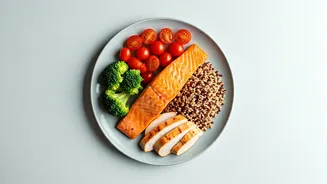
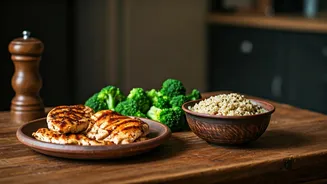
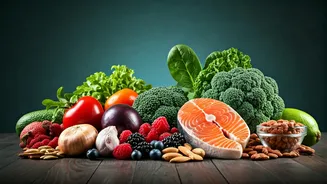
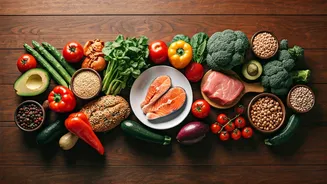
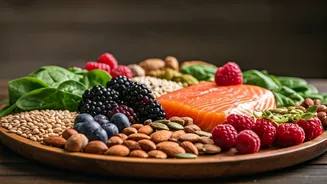
So what do 'smart food choices' look like in practice? It’s less about a specific meal plan and more about a flexible template. A great starting point is to aim for the 'trifecta' at every meal: protein, fat, and fiber. Protein (from sources like chicken, fish, beans, or tofu) and fat (from nuts, seeds, or avocado) provide lasting satiety, keeping you full and preventing energy crashes. Fiber (from vegetables, fruits, and whole grains) aids digestion and helps regulate blood sugar. A plate that includes these three components is almost guaranteed to be satisfying and nutritious. A breakfast could be eggs (protein, fat) with a side of avocado and whole-wheat toast (fiber). A lunch could be a big salad with grilled chicken (protein), a variety of veggies (fiber), and an olive oil-based dressing (fat). The goal isn’t perfection; it’s balance and consistency. It’s about building a foundation of nourishing meals that you genuinely enjoy.