






What Is a Citrus Enzyme Cleaner?
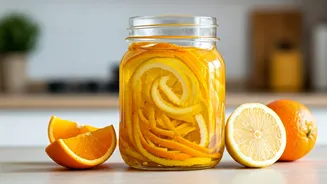
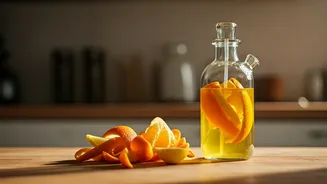
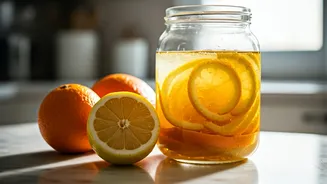
A citrus enzyme cleaner, sometimes called “garbage enzyme,” is a fermented liquid made from citrus peels, sugar, and water. Over several weeks, microorganisms break down the sugar and components of the peels, creating a solution rich in enzymes and acetic
acid. The result is a fragrant, amber-colored liquid with remarkable cleaning properties. Why bother? First, it’s a masterclass in zero-waste living, diverting food scraps from the landfill. Second, it replaces store-bought chemical cleaners with a natural, non-toxic alternative that’s safe for homes with kids and pets. Finally, it’s incredibly cost-effective. The main ingredients are things you’d otherwise throw away or have in your pantry, making it a nearly free way to keep your home sparkling.
Gather Your Simple Supplies
The beauty of this project is its simplicity. You don't need any special equipment or hard-to-find ingredients. Here’s your complete list: * **A Plastic Bottle:** A 2-liter soda bottle is perfect. It’s crucial to use a flexible plastic container rather than glass. The fermentation process produces gas, and a plastic bottle can expand and be “burped” easily to release pressure, preventing a messy or dangerous explosion. * **Citrus Peels:** Any kind will do—lemon, lime, orange, grapefruit. You’ll need enough to fill about half of your bottle. You can collect them over time and store them in the freezer until you have enough. * **Brown Sugar:** This is the food for the beneficial bacteria and yeast that will drive fermentation. Plain white sugar works in a pinch, but brown sugar or jaggery contains molasses and other minerals that give the process a boost. * **Water:** Simple tap water is fine.
The Three-Month Fermentation Process
Patience is the key ingredient here, as the magic takes about three months to happen. But the active work on your part is minimal. 1. **Combine the Ingredients:** Use a 1:3:10 ratio. That means 1 part brown sugar, 3 parts citrus peels, and 10 parts water. For a 2-liter bottle, that’s roughly ½ cup of brown sugar, 1½ cups of chopped citrus peels, and 5 cups of water. Don't overfill the bottle; leave a few inches of empty space at the top for gases to accumulate. 2. **Ferment and Vent:** Screw the cap on tightly and give the bottle a good shake to dissolve the sugar. Store it in a cool, dark place (like under the kitchen sink). For the first month, you must unscrew the cap briefly every day to release the built-up gas. You’ll hear a distinct “psst” sound. After the first month, you can vent it every few days. This step is non-negotiable to prevent the bottle from bursting. 3. **Strain and Store:** After three months, the fermentation will be complete. The liquid will be a dark amber color and have a tangy, vinegar-like scent. The peels will have broken down significantly. Strain the liquid through a cheesecloth or fine-mesh sieve into a clean bottle or jar for storage. The leftover pulp can be composted.
How to Use Your Homemade Cleaner
You now have a concentrated, all-purpose cleaner. For most tasks, you’ll want to dilute it. A good starting ratio is 1 part enzyme cleaner to 10 parts water in a spray bottle. Use it for: * **Degreasing:** The enzymes are fantastic at breaking down grease on stovetops, backsplashes, and range hoods. * **All-Purpose Cleaning:** Wipe down countertops, tables, and other surfaces. * **Mopping Floors:** Add a half-cup of the concentrated cleaner to your mop bucket for shiny, streak-free floors (tile, vinyl, and linoleum). * **Deodorizing:** Pour a small amount of the concentrate down drains to eliminate odors. It can also be used to clean and deodorize trash cans. **Important Note:** Because this cleaner is acidic, do *not* use it on porous, natural stone surfaces like marble, granite, or travertine, as it can cause etching. Also, while it’s a powerful cleaner, it is not a disinfectant—it doesn't kill bacteria and viruses like bleach does. For areas requiring sanitization, stick to a commercial disinfectant.