



The Land of Golden Sands
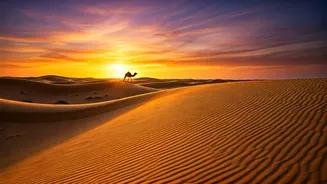
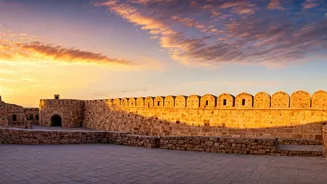
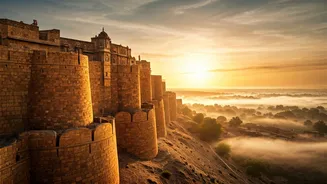
For most of the year, Jaisalmer, perched on the edge of the vast Thar Desert in Rajasthan, lives up to its name. The entire city, from its colossal living fort to the humble homes below, is carved from a distinctive yellow sandstone that glows with an ethereal
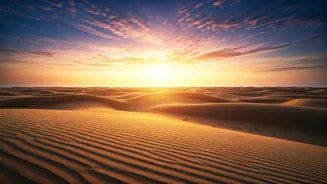
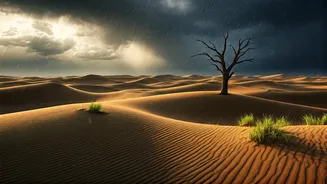
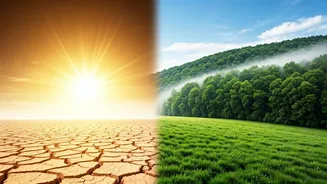
warmth under the relentless sun. This is the landscape of legends, of camel caravans and cinematic desert vistas. The surrounding Sam Sand Dunes are a sea of shimmering, shifting gold—a place where temperatures can soar and water is the most precious currency. Tourists flock here to experience this stark, arid beauty, to ride camels into the sunset, and to feel the profound silence of a landscape seemingly untouched by time. The defining characteristic is its dryness, a powerful and beautiful emptiness that has shaped its culture, architecture, and the resilient spirit of its people for centuries.
The Monsoon's Verdant Miracle
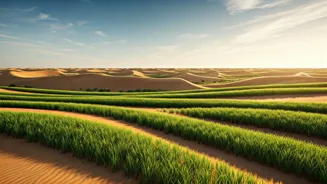
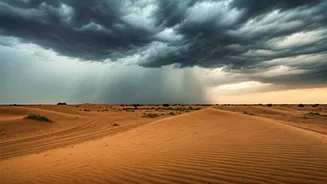
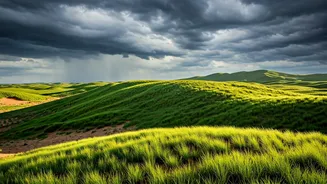
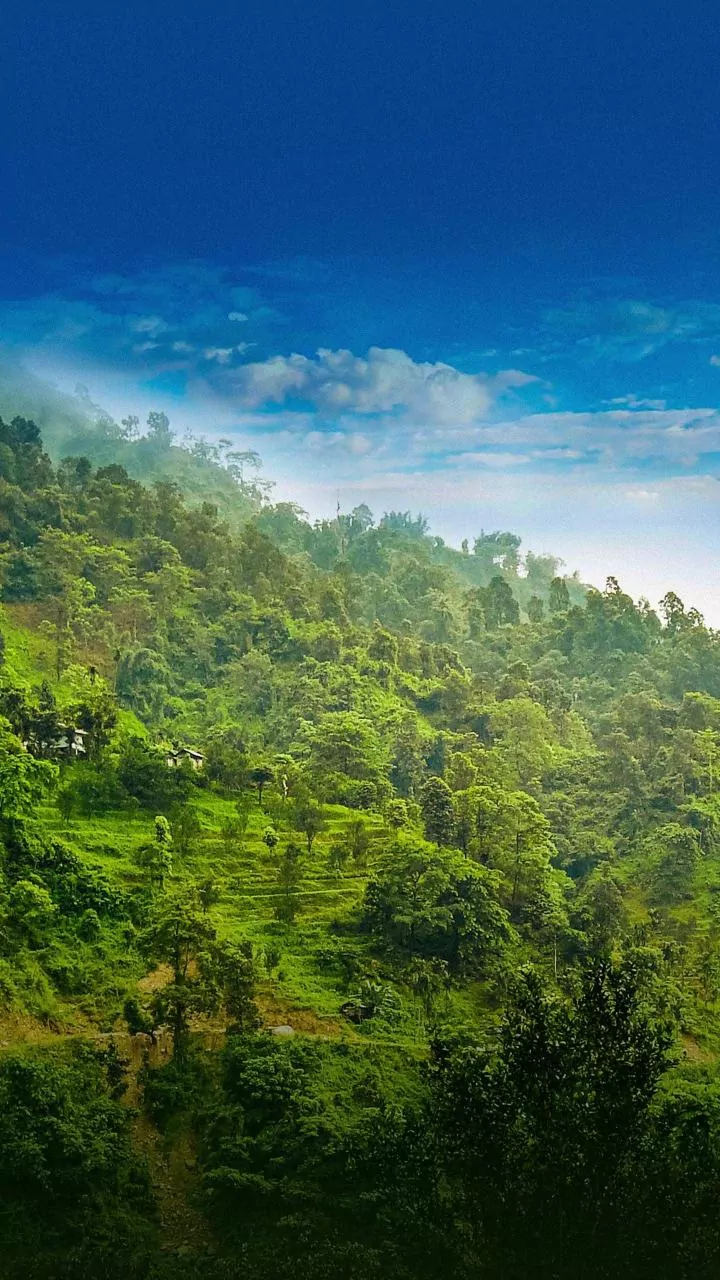
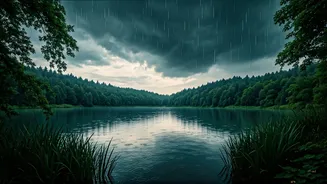
Then, the monsoon arrives. Typically between July and September, the weather patterns shift, and heavy clouds, pregnant with rain, roll across the parched land. The first drops that fall on the hot sand release a famously earthy, intoxicating scent known as petrichor. But what follows is the true spectacle. Within days of a good downpour, the landscape undergoes a radical, almost unbelievable transformation. The barren, ochre-colored dunes begin to sprout a delicate, vibrant green fuzz. What was a monochromatic canvas of gold and brown suddenly becomes dotted and then carpeted with life. This isn't a flood of lush jungle growth, but a subtle, hardy greening that follows the contours of the dunes, creating a surreal and breathtaking contrast between the golden sand peeking through and the fresh life emerging from it.
The Science Behind the Magic
This seemingly magical event is a masterclass in desert ecology. The sands of the Thar are not sterile; they are filled with the dormant seeds of highly adapted, drought-resistant flora. When the monsoon rains provide the necessary moisture, these seeds burst to life in a frantic race to grow, flower, and produce new seeds before the dry heat returns. The primary plant responsible for the green carpet is a nutrient-rich perennial known as *sevan* grass, a cornerstone of the desert ecosystem. Alongside it, other hardy plants and creepers, such as the small, wild desert melons called *matira*, add to the patchwork of green and yellow. It’s a powerful testament to the tenacity of life, a biological strategy perfected over millennia to take advantage of a brief window of opportunity in one of the world's most challenging environments.
A Lifeline and a Celebration
For local communities, this greening is far more than just a beautiful sight. It's a lifeline. The explosion of *sevan* grass provides crucial fodder for livestock, particularly the camels and goats that are central to the regional economy and way of life for pastoralist communities. The monsoon season turns a period of scarcity into one of temporary abundance. This burst of natural prosperity is often met with celebration. The mood in the region lifts with the rains. Peacocks, India’s national bird, are more frequently seen dancing with their brilliant plumage on full display. For the few travelers lucky enough to witness this phenomenon, it offers a completely different perspective on the desert—not as a barren wasteland, but as a dynamic, living ecosystem waiting patiently for its moment to bloom.