

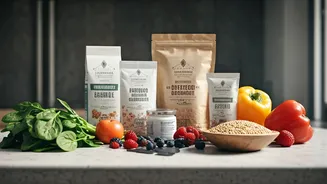
The beige tyranny of 'clean eating'
Let’s be honest: the mainstream American vision of “health food” is often a punishment. It’s a sad desk lunch of wilted greens, a rubbery chicken breast, and maybe a sprinkle of something crunchy if you’re feeling wild. We’ve been conditioned to believe
that for food to be good for us, it must be stripped of joy, fat, and, most tragically, flavor. This philosophy of deprivation is not only depressing, it’s also unsustainable. Who can stick with a diet that feels like a full-time job in self-denial? The result is a cycle of restriction and rebellion. We ‘eat clean’ for a week, feel miserable, and then dive headfirst into the very comfort foods we were trying to avoid. This boom-and-bust approach to wellness doesn't work. The wellness industry sold us a myth that health is achieved through subtraction. But what if the real answer lies in addition—adding flavor, complexity, and satisfaction back to our plates?
An ancient pharmacy in your spice rack
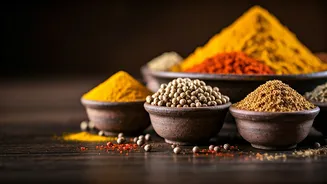
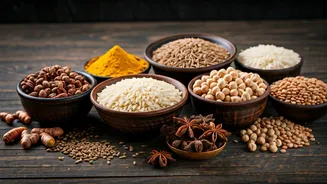
This is where Indian cuisine changes the game. It’s a culinary tradition built on the principle that food should be both delicious and healing. The secret isn't in stripping ingredients down but in building them up with a symphony of spices. That spice box, or masala dabba, found in virtually every Indian kitchen isn't just for flavor; it’s a veritable apothecary.
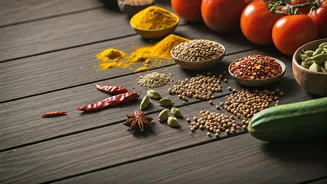
Take turmeric, the golden spice that gives many dishes their vibrant hue. It contains curcumin, a powerful anti-inflammatory and antioxidant. Ginger and garlic, the foundational duo of countless recipes, are celebrated for their digestive and immune-boosting properties. Cumin seeds aid digestion, coriander is rich in antioxidants, and fenugreek has been linked to blood sugar control. Even spicy chilies can boost metabolism. When you’re eating a well-spiced Indian meal, you’re not just consuming calories; you’re consuming compounds that actively support your body’s functions. It’s a stark contrast to a bland salad dressing whose primary health claim is being “low-fat.”
Redefining what a 'healthy meal' looks like
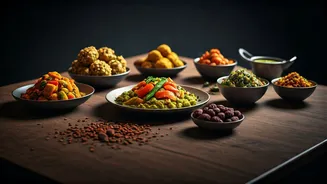
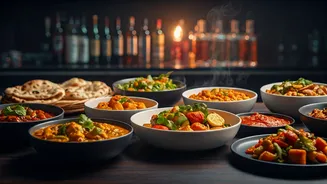
The stereotype of Indian food in the U.S. often revolves around heavy, cream-laden restaurant fare like chicken tikka masala and buttery naan. While delicious, these dishes are just one small corner of a vast and varied cuisine. Everyday Indian home cooking is often incredibly wholesome, balanced, and plant-forward.
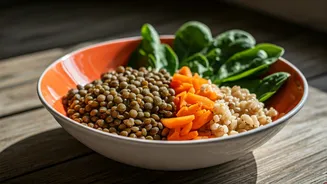
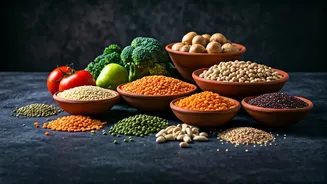
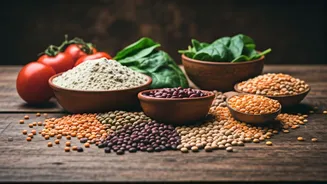
The cornerstone of many meals is dal, a humble but mighty lentil soup. Lentils are packed with protein, fiber, and essential nutrients. They’re slow-burning carbs that provide lasting energy, not a quick sugar spike. Then there are sabzis, or vegetable dishes, where produce like okra, cauliflower, spinach, and eggplant are sautéed with fragrant spices until tender and bursting with flavor. Served with a side of whole-wheat roti or a small portion of basmati rice, it’s a perfectly balanced meal that’s deeply satisfying and light on the stomach. It’s a universe away from the lonely baked potato or steamed asparagus of Western diet lore.
Where satisfaction meets wellness
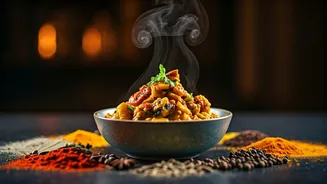
The ultimate failure of boring health food is that it ignores a fundamental truth: we are sensory beings. The aroma, color, and complex taste of a meal are part of what nourishes us. A fragrant bowl of chana masala (chickpea curry) or a colorful vegetable biryani engages all the senses in a way that a protein bar never could. This sensory satisfaction sends signals of contentment to our brain, helping us feel full and happy with what we’ve eaten.
By embracing the bold flavors of Indian cooking, you’re not “cheating” on your health goals. You’re upgrading them. You’re choosing a path to wellness that is built on centuries of wisdom, not fleeting diet fads. You’re choosing flavor, joy, and a sustainable way of eating that makes you feel good from the inside out. The bland food empire is crumbling, and its successor is vibrant, spiced, and infinitely more delicious.