



The Great Work-From-Home Migration
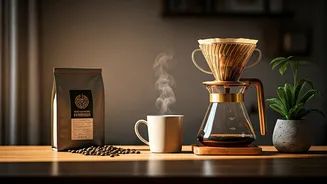
The most significant catalyst for the home cafe boom was the mass shift to remote work. The daily commute, once punctuated by a stop at a favorite coffee shop, vanished. In its place, a new routine emerged. The 9 a.m. latte run became a 10 a.m. kitchen
ritual. This wasn't just about replacing a habit; it was about reclaiming a moment. The midday slump, previously solved by a walk to the office kitchen or a nearby cafe, now required an in-house solution. People invested in their home setups not just for convenience, but to create a deliberate, enjoyable break in a workday that could otherwise feel monotonous and boundaryless. The home cafe became a destination within the home, a small act of self-care and a way to punctuate the day with a familiar, comforting ritual.
Pro-Level Gear Became Affordable
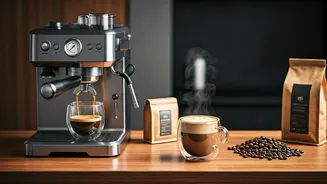
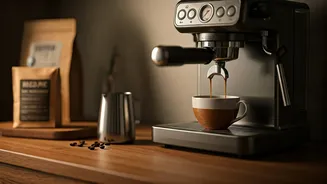
For years, making a true espresso at home was the domain of wealthy hobbyists with thousands to spend on gleaming Italian machines. That barrier to entry has crumbled. Brands like Breville, De'Longhi, and a host of innovative newcomers now offer powerful, semi-automatic espresso machines for a few hundred dollars. High-quality burr grinders, once a niche product, are now mainstream. This democratization of equipment is the bedrock of the movement. Suddenly, pulling a decent shot of espresso, steaming velvety microfoam for a latte, and experimenting with grind size wasn't just possible—it was accessible. This technological leap empowered millions to move beyond pods and drips, giving them the tools to replicate, and often surpass, the quality of their local cafe.
Coffee Got 'TikTok-ified'
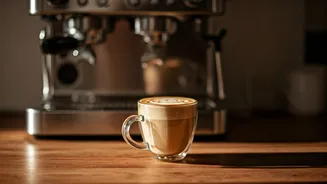
You can't talk about home cafe culture without mentioning social media. On platforms like TikTok and Instagram, coffee isn't just a drink; it's a visual medium. Aesthetically pleasing videos of espresso shots cascading into a glass of iced milk, satisfying latte art pours, and meticulously organized “coffee bars” garner millions of views. Influencers share recipes for everything from brown sugar oat milk shaken espressos to lavender-infused lattes, turning drink-making into a creative, shareable performance. This content does more than just entertain; it educates and inspires. Viewers learn techniques, discover new flavor combinations, and get recommendations for syrups, glasses, and gear. The home cafe became a stage for personal expression, a new frontier for the domestic arts in the digital age.
The Quest for Quality and Customization
As consumers became more educated about coffee, their standards rose. The generic, dark-roasted blends of yesterday gave way to a thirst for single-origin beans with complex tasting notes of citrus, berry, or chocolate. People started caring about where their coffee came from, how it was roasted, and the freshness of the grind. Making coffee at home offers the ultimate level of control. You choose the beans, dial in the grinder for the perfect extraction, select your milk (or milk alternative), and sweeten it exactly to your liking. This desire for a bespoke beverage—one that’s healthier, cheaper, and perfectly tailored to your palate—is a powerful driver. It’s a rejection of the one-size-fits-all cafe menu in favor of a deeply personal creation.
It's an Affordable Luxury
In an economy where everything feels more expensive, a $7 daily latte habit adds up fast. While the initial investment in a home espresso setup can seem steep, the long-term savings are significant. A homemade latte costs a fraction of its cafe-bought counterpart. But this isn't just about penny-pinching. The home cafe represents a form of affordable luxury. It’s a small, tangible way to elevate daily life without breaking the bank. The process itself—the grinding of the beans, the tamping of the puck, the steaming of the milk—is a satisfying, sensory experience. In a world of digital abstraction and endless consumption, the act of making something tangible and delicious with your own hands feels grounded, real, and deeply rewarding.