





The End of the Melting Pot Menu
For decades, the pinnacle of American fine dining was often a fusion-heavy, globally-inspired menu that could exist anywhere from Chicago to Charleston. It was delicious, but often anonymous. That era is fading. In its place, a powerful movement toward
hyper-regionalism is redefining what it means to eat American. This isn’t just about sourcing local cheese; it’s about building an entire culinary identity around the specific history, agriculture, and culture of a single state or micro-region. Chefs are becoming culinary archivists and storytellers, trading the trope of the national “melting pot” for a more nuanced celebration of distinct local flavors. The result is menus that have a true sense of place, offering diners a taste of not just ingredients, but of identity.
Why Now? A Search for Authenticity
Several forces are driving this shift. First, there’s a growing exhaustion with globalization's homogenizing effect. In a world where you can get the same kale salad anywhere, a dish rooted in the specific traditions of the Ozarks or the Sonoran Desert feels rare and valuable. Second, a generation of chefs, inspired by pioneers like Sean Brock, who championed Appalachian foodways in the 2010s, are looking to their own heritage for inspiration. They’re realizing the most compelling stories are often the ones closest to home. Finally, diners themselves are more curious and educated than ever. They’re no longer just seeking dinner; they’re seeking an experience, a story, and a connection to what they’re eating. A menu that explains the history of a nearly-forgotten heirloom bean from a specific county offers a depth of engagement that a generic steak frites simply cannot match.
From Indigenous Roots to Appalachian Heirlooms
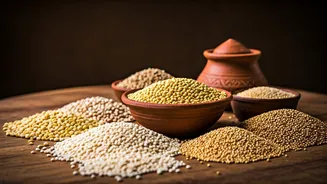
The proof is on the plate. In Minneapolis, Owamni by The Sioux Chef, winner of the James Beard Award for Best New Restaurant in 2022, serves a menu that strips away all colonial ingredients (no wheat, dairy, or cane sugar) to showcase the true flavors of the land pre-European contact. Dishes feature game, native plants, and ingredients like wild rice and maple that tell the story of the Dakota and Lakota peoples. In the South, chefs continue to explore the vast diversity within the region. Instead of just “Southern food,” you find menus dedicated to the Gullah-Geechee cuisine of the Lowcountry or the distinct foodways of the Appalachian Mountains, reviving heirloom crops and celebrating preservation techniques born of necessity and ingenuity. In Arizona, restaurants are embracing the unique bounty of the Sonoran Desert, highlighting ingredients like cholla buds, mesquite flour, and tepary beans that have sustained indigenous communities for centuries.
A Richer Definition of American Food
This movement does more than just create interesting menus; it fundamentally enriches our national culinary landscape. By focusing on state-specific stories, chefs are preserving agricultural biodiversity, supporting small farmers who grow heirloom varieties, and honoring the contributions of immigrant, Indigenous, and marginalized communities who have shaped American food for generations. It challenges the old, top-down narrative of what American food should be, replacing it with a more democratic, ground-up tapestry of tastes. Eating at one of these restaurants isn’t just a meal; it’s a lesson in history, ecology, and culture. It’s an acknowledgment that the most profound flavors are often the ones that have been right under our noses the entire time, just waiting for someone to share their story.