




More Than Just Adding Years
When Americans hear “longevity,” minds often jump to Silicon Valley billionaires biohacking their way to 150 with cryotherapy and bespoke supplements. But the trend taking root in India is fundamentally different—more democratic, more holistic, and woven
into the fabric of daily life. This isn’t just about extending lifespan, the sheer number of years you’re alive. It’s about maximizing *healthspan*: the number of years you live in good health, free from chronic disease and full of vitality. The Indian model of longevity is a unique fusion, blending ancient wisdom like Ayurveda and yoga with the tools of the 21st century, from diagnostic apps to personalized nutrition plans. It’s a proactive, preventative approach that views health not as the absence of sickness, but as a state of complete physical, mental, and spiritual well-being.
Why India, and Why Now?
Several powerful forces are converging to make India the global epicenter of this movement. First, demographics. With a median age of just 28, India has a massive, digitally-native young population that is increasingly health-conscious and proactive. The COVID-19 pandemic served as a powerful wake-up call, accelerating a national focus on immunity and preventative care. Second, a burgeoning middle class now has the disposable income to invest in wellness. They’re seeking solutions that go beyond reactive medicine. Finally, there's a renewed sense of cultural pride. The Indian government is actively promoting traditional systems of medicine through its Ministry of AYUSH (Ayurveda, Yoga & Naturopathy, Unani, Siddha, and Homoeopathy), giving ancient practices modern legitimacy and institutional support. This creates a fertile ground where tradition isn't being replaced by modernity, but integrated with it.
Ancient Wisdom, Modern Delivery
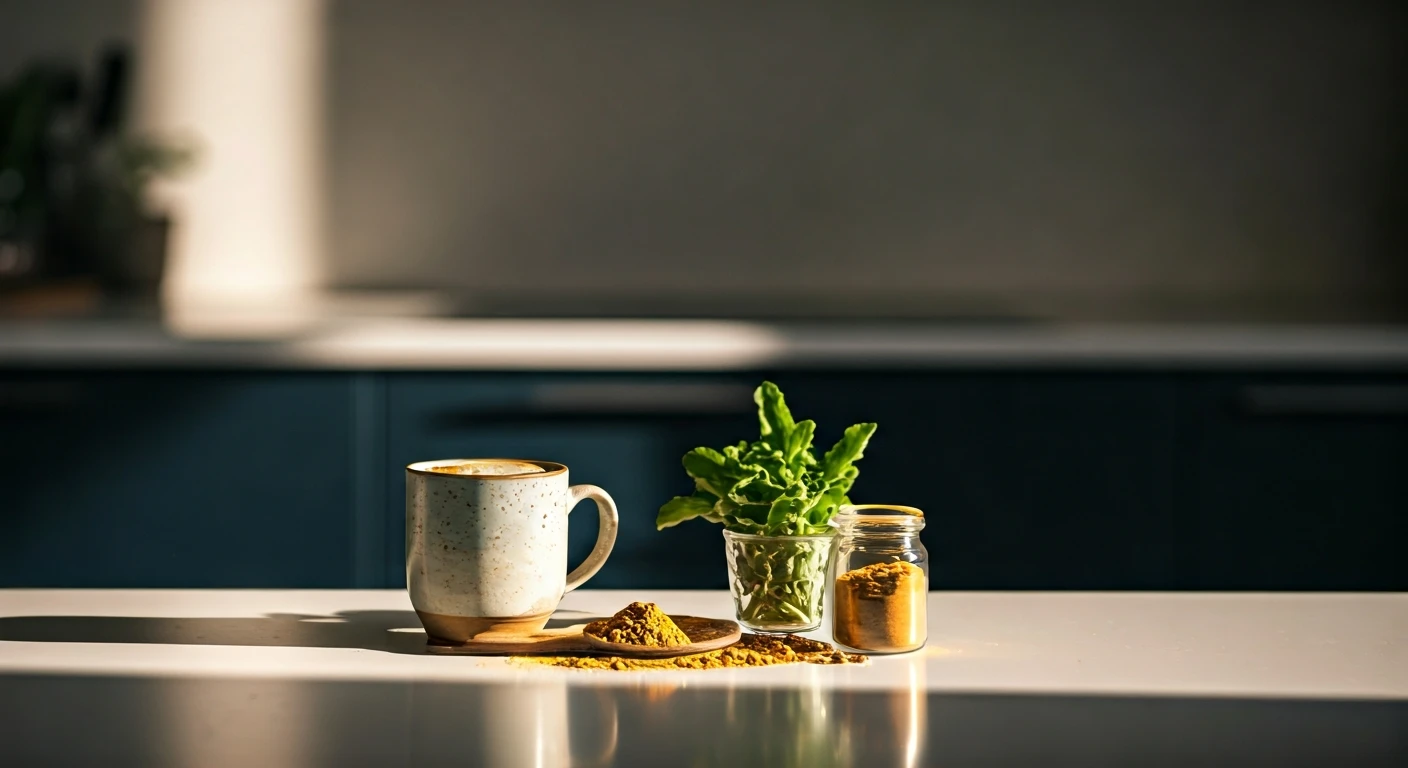
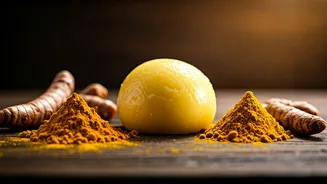
The most exciting part of India’s longevity boom is the innovation happening at the intersection of old and new. Startups are reimagining how ancient knowledge is delivered. Imagine an app that uses AI to create a personalized meal plan based on your Ayurvedic 'dosha' (body type). Or a digital platform that connects you with a certified yoga guru for a live-streamed class tailored to your back pain. We're seeing a boom in health tech that monitors blood glucose in real-time, feeding data back into dietary advice rooted in traditional food principles. Nutraceutical companies are creating supplements that package potent herbs like ashwagandha and turmeric—staples of Indian households for centuries—into scientifically validated, easy-to-consume formats. It's the best of both worlds: the time-tested wisdom of the past delivered with the convenience and precision of the future.
A Blueprint for the West?
While the U.S. wellness market remains a behemoth, it’s often fragmented and hyper-focused on high-cost, high-tech interventions that are out of reach for the average person. India’s emerging model offers a compelling alternative. It’s built on a foundation of accessible, lifestyle-based practices that prioritize consistency over intensity. It emphasizes nutrition, stress management, and community—pillars of health that are often sidelined in the West's more clinical approach to longevity. As American consumers grow tired of miracle cures and seek more sustainable, integrated paths to well-being, the lessons from India will become increasingly relevant. The idea that you can enhance your healthspan through mindful, daily practices—many of which cost little to nothing—is a powerful one. India isn’t just adopting a wellness trend; it may be perfecting a blueprint for the rest of the world.