



1. Go Beyond Decluttering to ‘Right-Sizing’
The first step for many is decluttering, but a mindful approach re-frames the goal. It’s not just about getting rid of things; it's about making sure everything in your home serves a purpose or brings you genuine joy. Think of it as ‘right-sizing’ your possessions
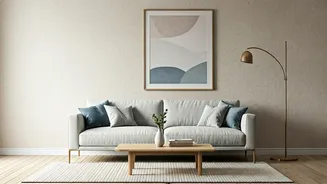
to fit your life, not the other way around. Instead of a weekend purge, make it a slow, intentional process. Ask yourself not just “Does this spark joy?” but also “Does this item make my life easier? Does it have a designated home? Do I feel good when I see it?” The goal isn't sterile minimalism, but rather creating visual and physical breathing room. An uncluttered entryway, a clear kitchen counter, or a tidy bedside table can remove dozens of tiny points of friction from your day, freeing up mental energy for things that actually matter.
2. Designate Clear Functional Zones
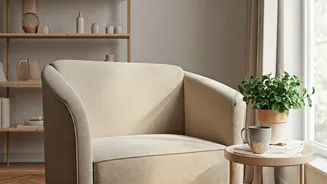
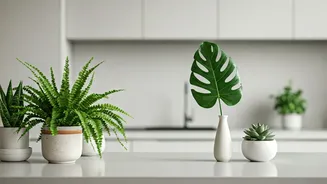
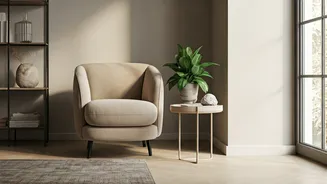
Our brains crave order. When your dining table is also your office, your laundry station, and your kids' craft area, it creates a subtle but constant state of cognitive dissonance. This mental clutter leads to decision fatigue. A core tenet of mindful design is creating clearly defined zones for specific activities. You don't need a massive house for this. In a small apartment, a specific armchair and a good lamp can become a dedicated reading nook. A particular section of your counter, kept clear, can be your ‘morning coffee’ station. By assigning a single function to a space—no matter how small—you signal to your brain what to do there. This simple act reduces the mental effort required to switch tasks, making transitions throughout your day feel more seamless and less chaotic.
3. Embrace Natural Light and Elements
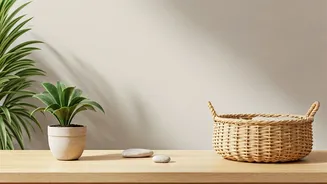
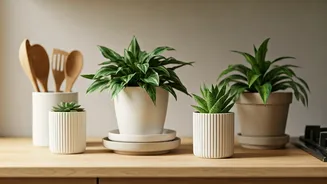
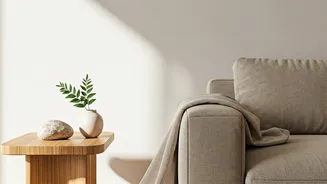
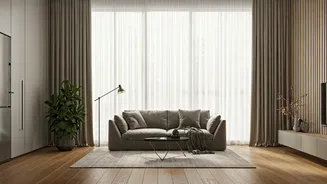
Humans have an innate connection to nature, a concept known as biophilia. Integrating natural elements into your home is one of the most effective ways to reduce stress and improve your mood. The easiest way to start is by maximizing natural light. Keep windows unobstructed, use sheer curtains, and place mirrors strategically to bounce light around a room. Beyond light, bring the outdoors in. This can be as simple as adding a few low-maintenance plants like snake plants or pothos, which also help purify the air. Consider natural materials in your decor: a wool blanket, a wooden bowl, a stone coaster. These textures connect us to the natural world and provide a grounding, tactile experience that plastic or synthetic materials simply cannot replicate.
4. Curate Your Sensory Environment
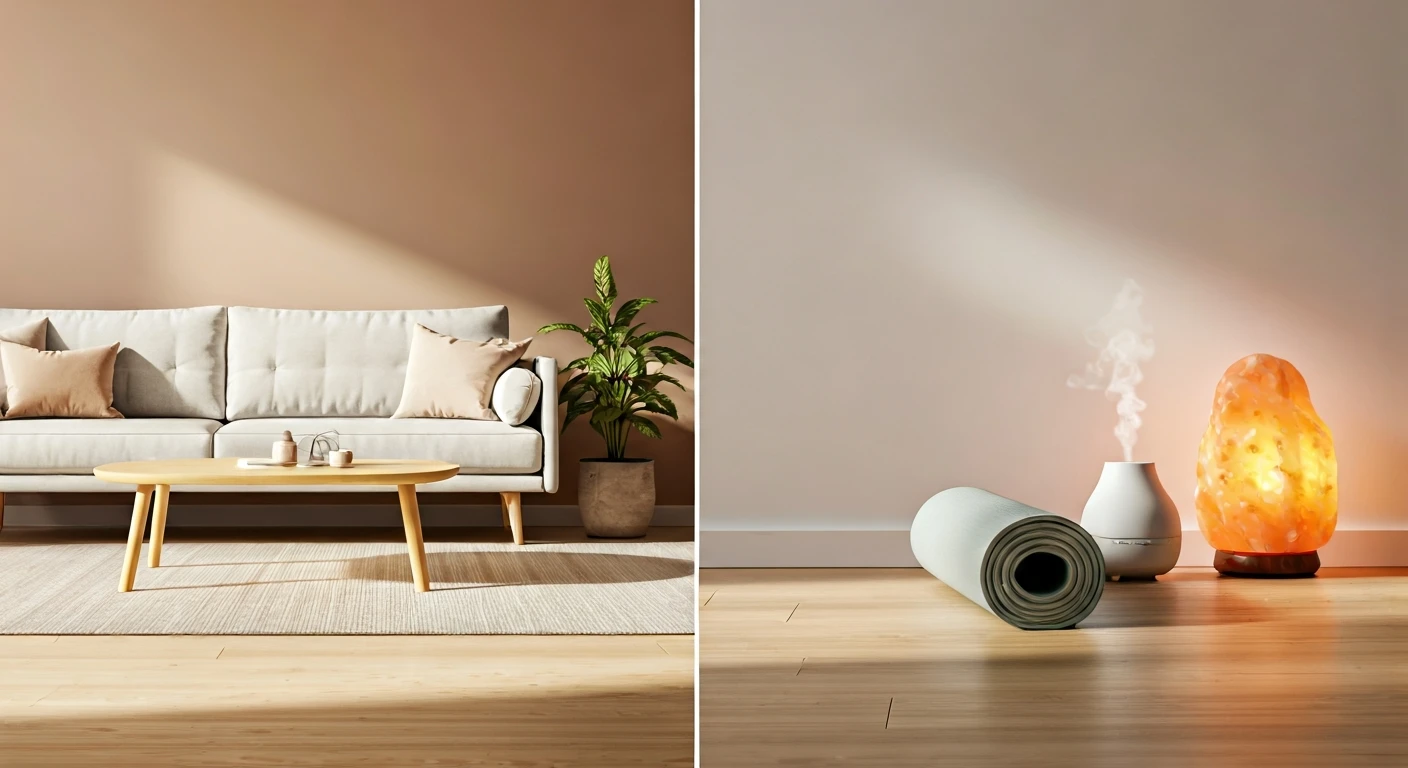
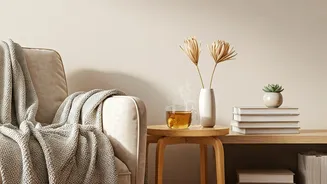
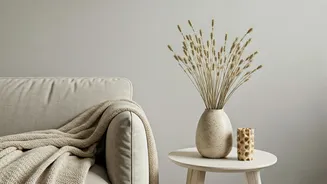
A mindful home engages more than just your eyes. Think about how your space sounds, smells, and feels. Is your home a source of sensory overload or sensory calm? To manage sound, consider soft furnishings like rugs, curtains, and pillows, which absorb harsh echoes. You can also introduce pleasant sounds, like a small tabletop fountain or a curated playlist of calming music. For scent, move away from artificial air fresheners, which can be overwhelming. Instead, try a high-quality essential oil diffuser with lavender or eucalyptus, simmer a pot of citrus peels and cinnamon on the stove, or simply open a window for fresh air. Finally, pay attention to touch. Soft, natural-fiber blankets, smooth ceramic mugs, and plush bath mats can turn everyday routines into small moments of comfort.
5. Use Color with Intention
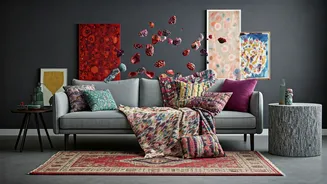
Color has a profound psychological impact. While personal preference is key, understanding the general principles of color psychology can help you craft a more supportive environment. Cool colors like soft blues, greens, and lavenders are known to have a calming, serene effect, making them ideal for bedrooms and bathrooms where you want to unwind. Warmer, softer colors like terracotta, mustard, and beige can create a cozy, inviting, and social atmosphere, perfect for living rooms or dining areas. You don’t need to repaint your entire house. You can introduce these colors intentionally through pillows, artwork, throws, or a single accent wall. The key is to be conscious of how different hues make you feel and to build a palette that supports the intended energy of each room.