


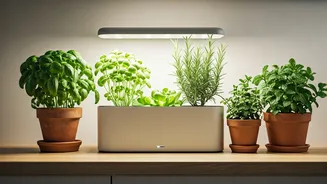
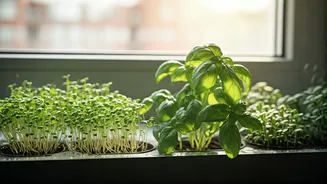
1. Basil: The Culinary Workhorse
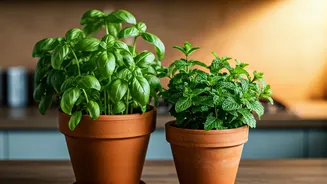
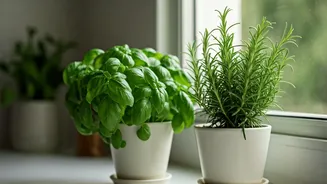
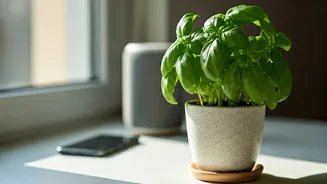
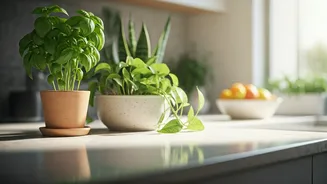
If you could only have one herb in your kitchen, basil would be a top contender. This fragrant, flavorful leaf is the backbone of pesto, a bright finish for pasta, and the perfect partner to a fresh mozzarella and tomato salad. Its popularity in small
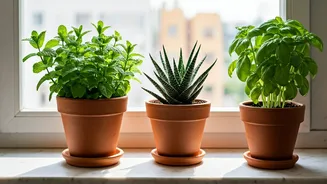
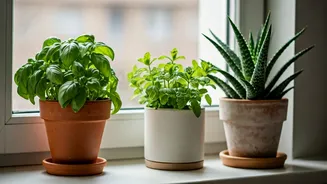
homes comes from this incredible utility. Why buy a plastic-wrapped bunch that wilts in two days when you can snip fresh leaves as needed? Basil is an annual plant that loves sun and warmth, making a south-facing windowsill its happy place. It requires at least six hours of direct sunlight per day to truly thrive. Keep its soil consistently moist but not waterlogged—a pot with good drainage is essential. A great trick is to water it from the bottom by placing the pot in a saucer of water for about 30 minutes, allowing the roots to drink what they need. To encourage a bushier, more productive plant, pinch off the top sets of leaves regularly. This prevents the plant from flowering (which can make the leaves bitter) and stimulates new growth from the sides.
2. Mint: The Refreshing Container Hero
Mint is an absolute powerhouse of flavor, perfect for everything from mojitos and iced tea to garnishing desserts or adding a fresh kick to a fruit salad. There are dozens of varieties, from spearmint and peppermint to more exotic types like chocolate mint or pineapple mint. It’s incredibly easy to grow—so easy, in fact, that its biggest strength is also its biggest weakness. In a garden bed, mint is notoriously aggressive, sending out runners that can quickly take over. This is precisely why it’s a perfect plant for small-space container gardening. Confined to a pot, its vigorous growth becomes a feature, not a bug, providing you with a constant, lush supply of leaves. Mint is less fussy about sunlight than basil and can tolerate partial shade, making it more versatile for different apartment exposures. It likes its soil to be consistently moist. Harvest often by snipping stems, and the plant will reward you by growing back even fuller. One plant is often more than enough to keep you in fresh mint all year round.
3. Aloe Vera: The Soothing, Sculptural Succulent
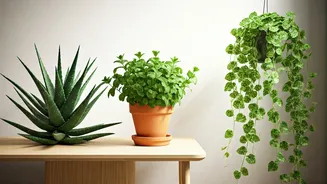
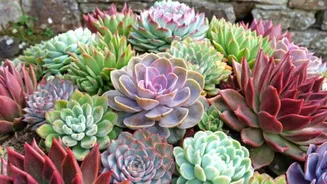
Not every indoor plant needs to be for eating. Aloe vera earns its spot on the windowsill through a combination of striking looks and practical, soothing properties. As a succulent, it has a modern, architectural form that complements almost any decor. But its real magic is inside its thick, fleshy leaves. The gel from an aloe vera leaf is a well-known home remedy for soothing minor sunburns and skin irritations. Having a live plant on hand is infinitely better than a neon-green gel from the pharmacy. Best of all, aloe is incredibly low-maintenance. It thrives on neglect, which is perfect for busy people or forgetful waterers. It needs bright, but indirect, sunlight; direct sun can scorch its leaves. Water it deeply, but infrequently, allowing the soil to dry out completely between waterings. Overwatering is the fastest way to kill an aloe plant. It’s a beautiful, functional, and forgiving plant that asks for very little in return.
Getting Your Indoor Garden Started
Bringing these three plants home is simple. You can buy starter plants from any garden center or even a local grocery store. For pots, choose containers that are at least 6-8 inches in diameter to give the roots room to grow, and make sure every pot has a drainage hole. Standard all-purpose potting mix works well for basil and mint. For aloe vera, a cactus or succulent mix is ideal, as it provides the sharp drainage the plant needs to prevent root rot. Place them in the best light you have, follow their simple care rules, and you’ll be surprised how much life they bring to your home.