





More Than Just a TikTok Fad
While it’s easy to credit TikTok for the recent explosion in popularity, the roots of Pilates run much deeper, giving it a sturdiness that fleeting fads lack. Developed by Joseph Pilates in the early 20th century, the 'Contrology' method was originally
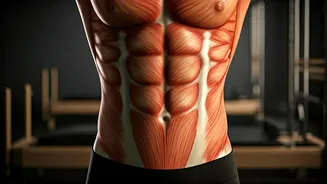
designed for rehabilitation, focusing on core strength, posture, and the mind-body connection. For decades, it was the secret weapon of dancers and physical therapists. This history gives the practice a sense of legitimacy and proven effectiveness. The current trend isn't the discovery of something new, but the mass rediscovery of something time-tested, reframed for a modern audience that’s hungry for workouts that deliver results without wrecking their bodies.
The Backlash to Burnout Culture
The 2010s were dominated by the 'go hard or go home' mentality of high-intensity interval training (HIIT), CrossFit, and punishing boot camps. The goal was to sweat, suffer, and burn as many calories as possible. But after years of this, and accelerated by a collective pandemic-era rethink of wellness, many people are simply burned out. Pilates offers the perfect antidote. It’s a low-impact workout that builds profound strength from the inside out. The emphasis is on controlled, precise movements, not explosive, joint-jarring ones. It’s a workout you can do for life, appealing to a generation that’s increasingly trading short-term intensity for long-term sustainability and mindful movement.
Functional Strength Meets Modern Aesthetics
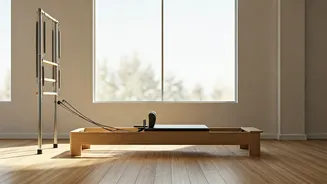
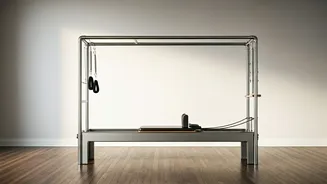
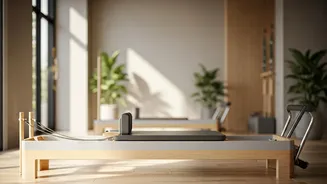
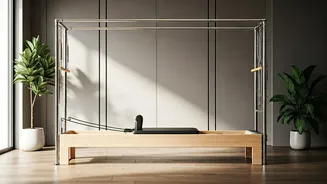
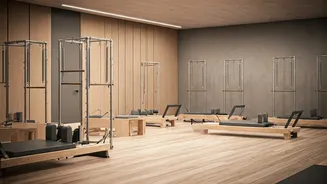
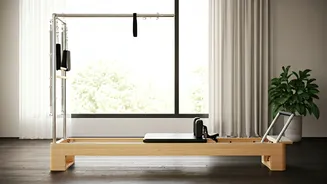
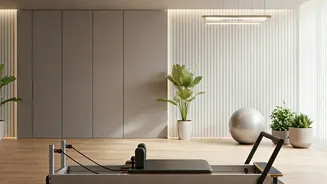
Pilates delivers a specific kind of result that aligns perfectly with today’s fitness goals. It’s known for creating 'long and lean' muscles—not by literally elongating them, but by building balanced strength and improving posture, which creates a taller, more graceful appearance. This is functional fitness at its best; a strong core and stable pelvis make everything from carrying groceries to sitting at a desk feel better. At the same time, the aesthetic of Pilates itself is a major draw. The futuristic-looking reformer machine, the minimalist studios, and the culture of stylish workout gear make it highly aspirational and shareable online. It doesn’t just make you feel good; it looks good, too.
Not Your Mother’s Mat Class
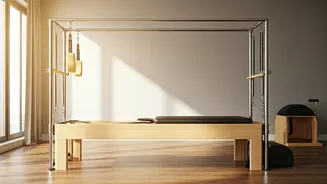
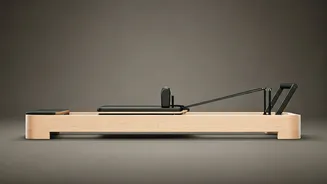
If you remember Pilates from a dusty DVD in the early 2000s, today’s version is a different beast entirely. The current wave is largely driven by reformer-based classes in boutique studios. The reformer, a spring-loaded sliding carriage, adds resistance and assistance, allowing for a workout that can be both more challenging and more supportive than mat-based work. These small-group classes come with a high-touch, instructor-led experience and a sense of community—and often, a premium price tag. This has repositioned Pilates from a simple floor exercise into a sophisticated, equipment-driven experience that feels both exclusive and intensely effective.
The Celebrity and Influencer Effect
You can’t discount the power of celebrity. When figures like Hailey Bieber, Kendall Jenner, and Lori Harvey are regularly photographed leaving Pilates studios, it creates a powerful ripple effect. They aren’t just doing the workout; they are embodying its results. This creates a potent, aspirational feedback loop where the practice becomes synonymous with a certain 'it-girl' lifestyle. Influencers follow suit, filling social media with tutorials, progress videos, and 'get ready with me for Pilates' content. This constant visibility has demystified the workout for millions and cemented its status as the cool, sophisticated way to stay in shape.