
From Generalization to Specificity
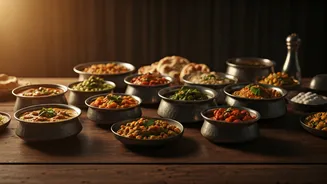
For many Americans, the Indian dining experience was long defined by the all-you-can-eat lunch buffet and a standardized menu heavy on Anglicized Punjabi dishes. Chicken tikka masala, saag paneer, and mountains of basmati rice became the unofficial ambassadors
of an entire subcontinent's cuisine. While delicious, this approach presented the food of over a billion people as a monolith, smoothing over the staggering diversity of India’s 28 states and numerous culinary traditions. It was a survival tactic for early immigrant restaurateurs, offering a safe and recognizable entry point for an unfamiliar American palate. But that era is decisively coming to a close. The new guard of Indian food isn't just cooking; they're curating. They're ditching the one-size-fits-all menu and are instead acting as guides to the specific places and traditions that shaped them.
The Power of Regional Storytelling
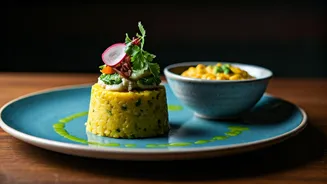
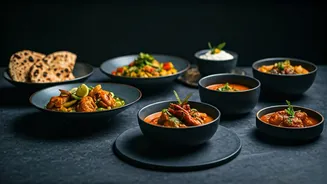
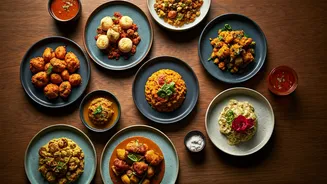
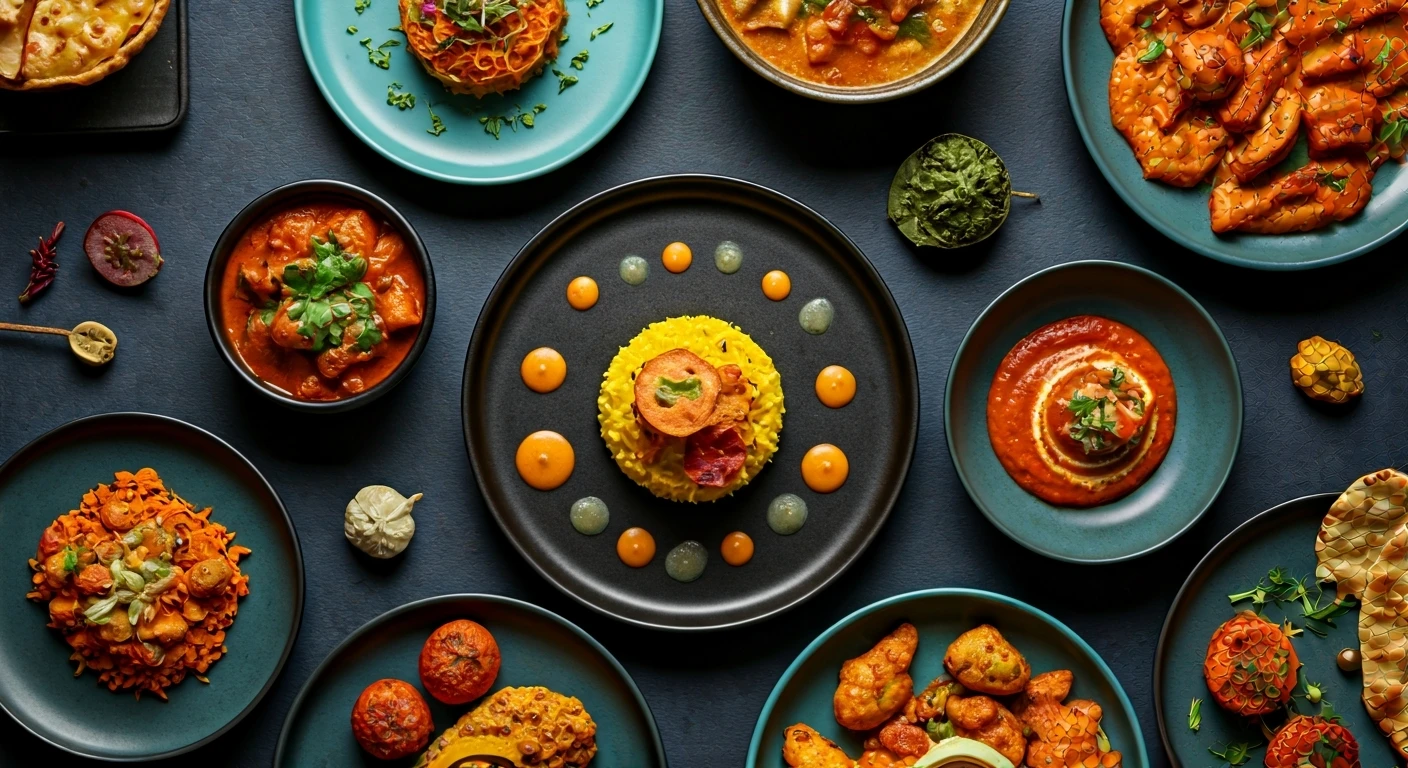
The heart of this “premium upgrade” is a powerful shift toward hyper-regionality. Instead of just “Indian food,” restaurants are now proudly branding themselves by the specific cuisines they represent. You don't go for curry; you go for the rustic, “unapologetic” provincial cooking of an eatery like New York's Dhamaka, or the specific southern flavors of Tamil Nadu and Kerala found at Semma. These restaurants are telling a story with every dish. The menu becomes a map, guiding diners through the coastal seafood traditions of Goa, the vegetarian feasts of Gujarat, or the fiery meat dishes of Rajasthan. This isn't just a marketing gimmick; it’s an act of cultural reclamation. Chefs are presenting the food they grew up eating, the dishes their grandmothers perfected, without apologies or alterations. The “story” is the authenticity of the recipe, the history of a particular spice blend, and the personal connection of the chef to the plate.
The Second-Generation Effect
So, why now? A large part of this movement is driven by second-generation Indian American chefs and entrepreneurs. Unlike their parents’ generation, who may have felt pressure to assimilate and cater to mainstream tastes, these chefs operate with a different kind of cultural confidence. They grew up navigating two worlds and are now uniquely positioned to bridge them. They have the culinary vocabulary of their heritage and the cultural fluency to present it in a context that American diners can appreciate and, importantly, get excited about. They aren't trying to make Indian food more “American.” Instead, they are inviting Americans to appreciate Indian food on its own terms. This confidence allows them to be educators as much as chefs, introducing diners to new ingredients, techniques, and flavor profiles that have been largely absent from the U.S. dining scene.
An Upgrade in Experience, Not Just Food
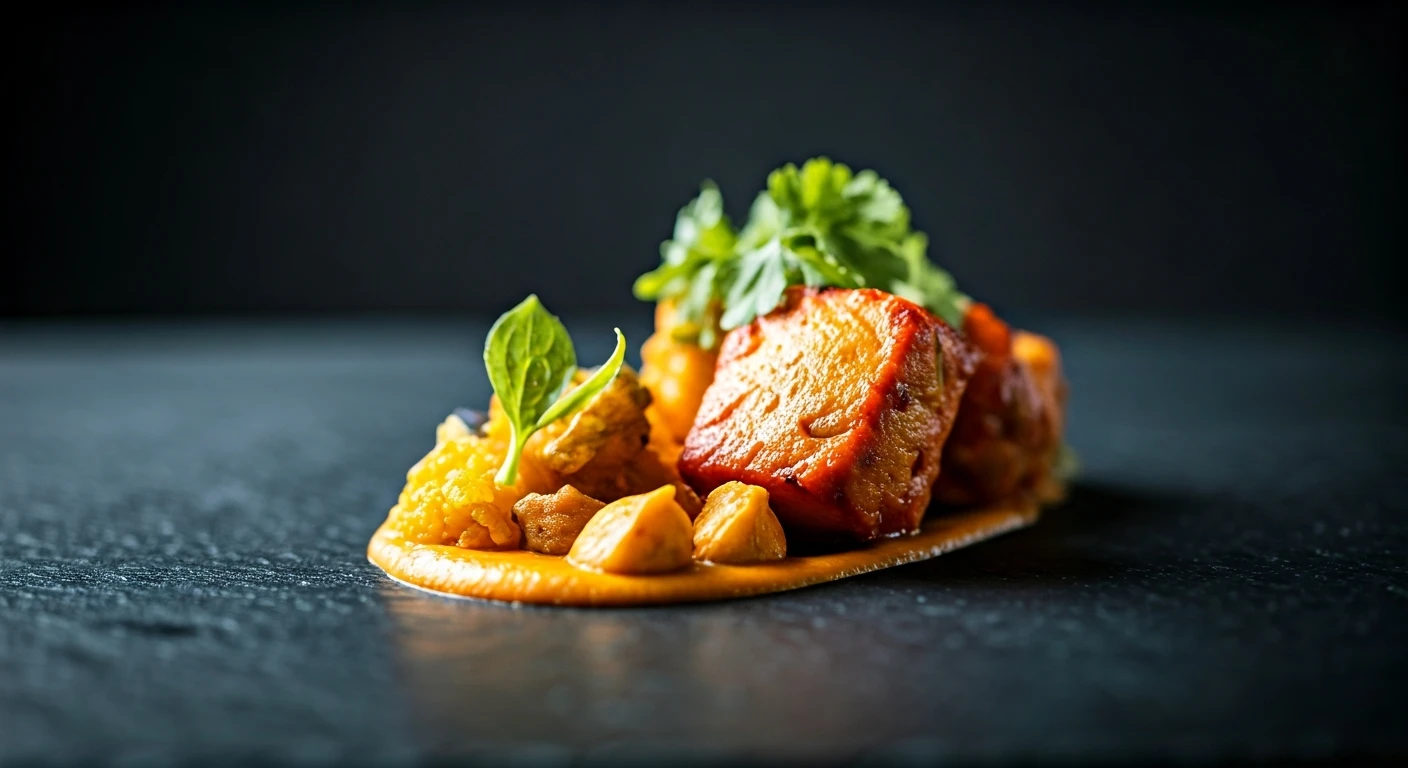
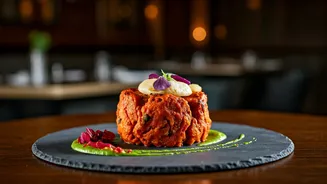
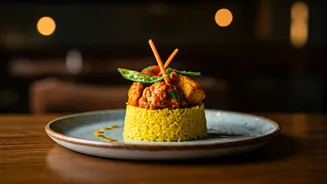
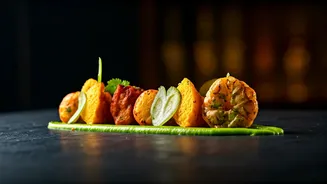
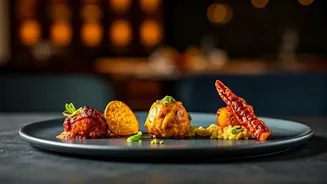
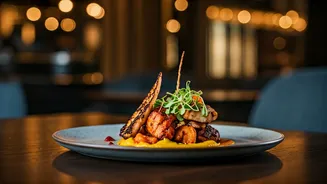
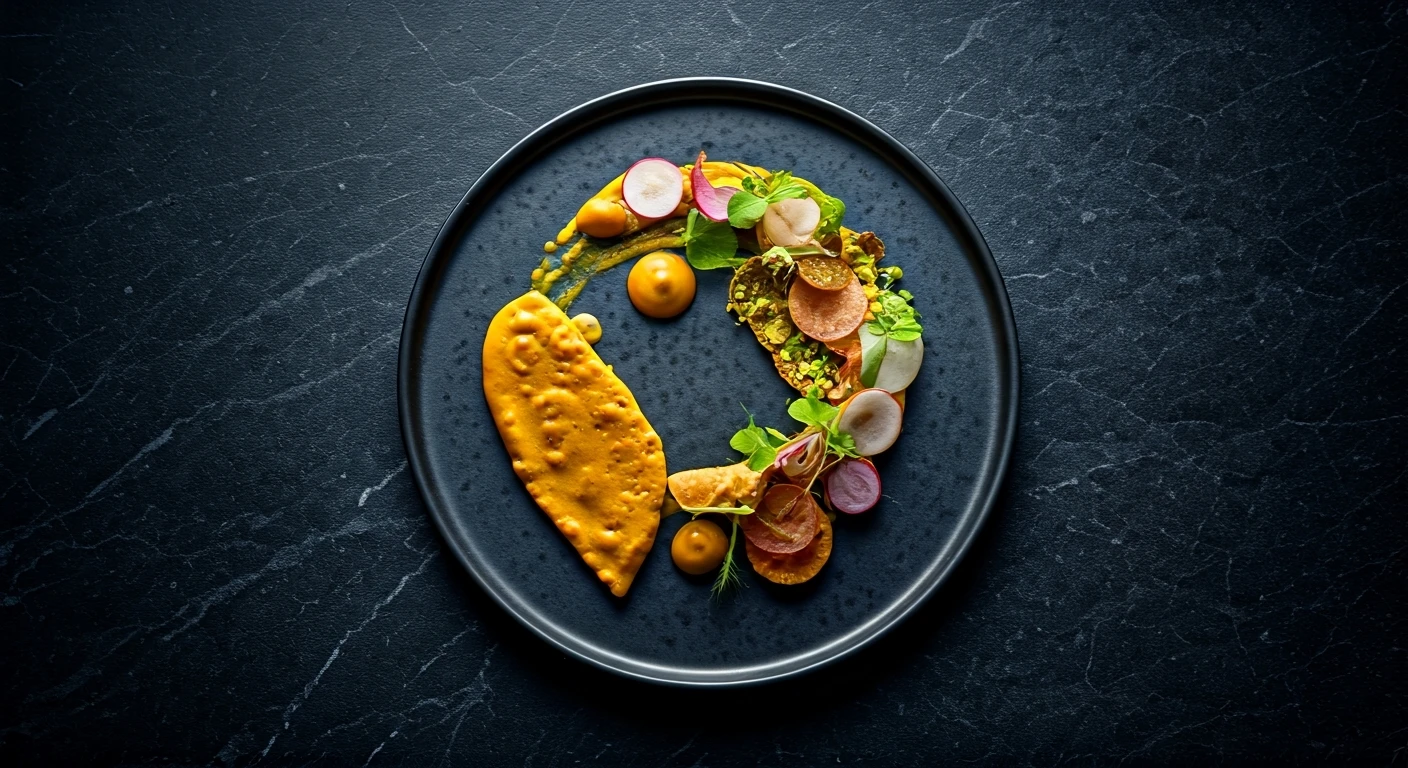
The “premium” component extends far beyond the plate. These new-wave restaurants are elevating the entire dining experience. Gone are the generic interiors and dated decor. In their place are thoughtfully designed spaces, sophisticated cocktail programs that incorporate Indian spices and liquors, and impeccable service. This framing allows Indian cuisine to occupy the same tier as high-end Italian or French dining, commanding similar price points and critical acclaim, including coveted Michelin stars. By investing in atmosphere and narrative, these restaurateurs are making a powerful statement: this food is not just cheap comfort fare. It is complex, worthy of reverence, and deserving of a beautiful stage. It reframes Indian dining from a budget-friendly option to a destination-worthy culinary event, changing perceptions one carefully crafted tasting menu at a time.