



The Tale of Two Towns
High in the foothills of the Himalayas sits Mussoorie, the so-called “Queen of the Hills.” For decades, it has been a premier destination for Indian tourists escaping the summer heat of the plains. Its beating heart, or perhaps its over-caffeinated nerve
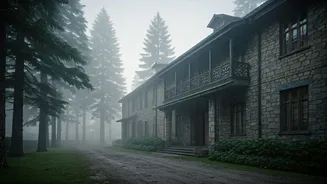
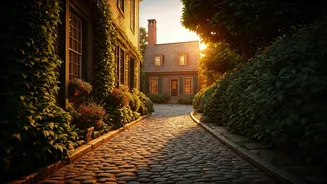
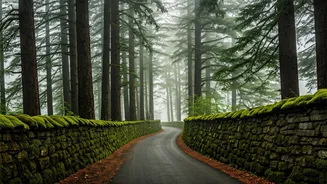
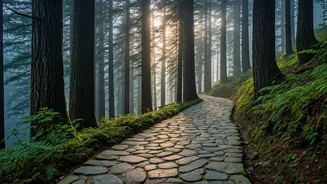
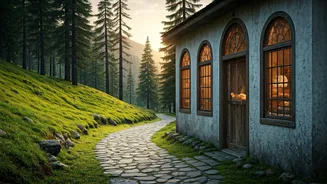
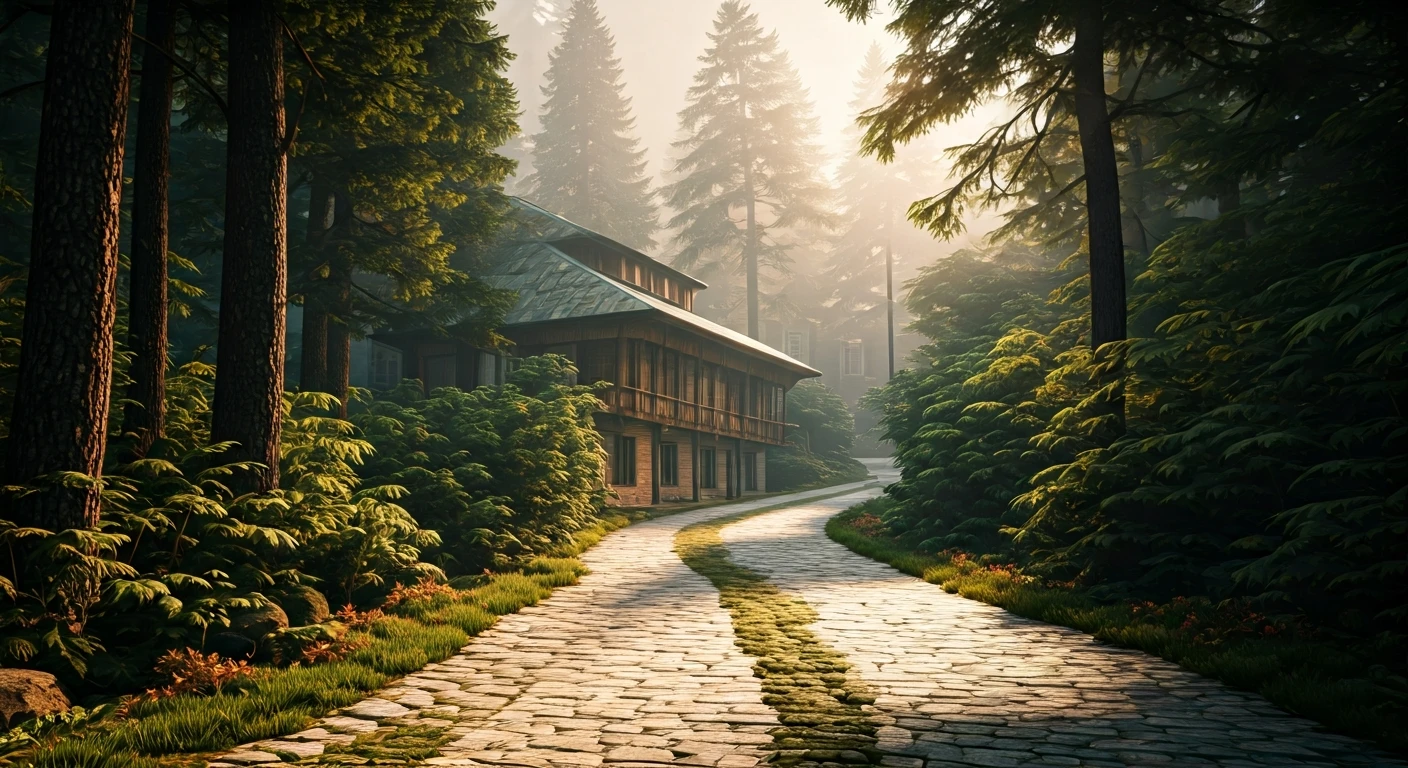
center, is the Mall Road. This long, chaotic stretch is a sensory overload of video game parlors, cheap souvenir shops, fast-food joints, and a crush of humanity. It’s vibrant, it’s loud, and for a growing number of travelers, it’s precisely what they want to escape. Clinging to the hillside just above is Landour, a sleepy cantonment town that feels like a world away. Once a sanatorium for British soldiers, Landour has retained its colonial-era charm. There is no Mall Road here. In fact, there are barely any commercial roads at all. There are just quiet, winding lanes, colonial bungalows draped in ivy, and dense forests of deodar and pine, often shrouded in mist.
In Search of Quiet Charm
The contrast between Mussoorie and Landour is a perfect metaphor for a schism in modern travel. While one caters to the checklist tourist focused on attractions and consumption, the other beckons the slow traveler seeking atmosphere and reprieve. To choose Landour is to make a conscious decision to do less. There are no major sights to tick off a list. The main activities are walking the “chakkar”—a circular route with stunning Himalayan vistas—reading a book with a view, and simply breathing the crisp mountain air. This isn't a new phenomenon, but it is a growing one. In a world of hyper-connectivity and over-stimulation, places like Landour function as decompression chambers. They offer an antidote to the very “madness” that its bustling neighbor, Mussoorie, so enthusiastically provides. It's the travel equivalent of choosing a vinyl record over a streaming playlist; it’s slower, more intentional, and deeply atmospheric.
The Allure of the Bakery
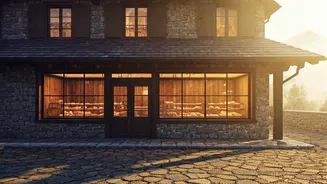
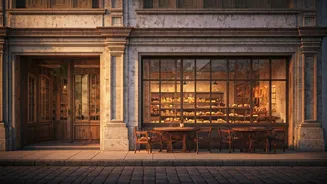
The headline's mention of bakeries is not just a casual detail; it’s the symbolic heart of Landour’s appeal. Places like the Landour Bakehouse and the classic Char Dukan (Four Shops) are institutions. They don't just sell coffee and pastries; they sell nostalgia and comfort. The Bakehouse, with its wooden interiors and old-world recipes, feels like stepping into a storybook. It’s a place to linger over a slice of carrot cake, not to grab a snack and run. These bakeries represent a different kind of commerce. They are destinations in themselves, revered for their quality and history rather than their convenience. They are the reward at the end of a long walk, a cozy shelter on a rainy day, and a hub for the community of residents and visitors who appreciate the town’s unhurried pace. In Landour, a sticky toffee pudding isn't just a dessert; it's a philosophy.
A Different Kind of Traveler
Landour attracts a specific tribe. It’s a haven for writers, artists, and readers, partly due to its most famous resident, the celebrated author Ruskin Bond, who has lived there for decades. His presence has infused the town with a literary soul. Visitors come hoping for a chance encounter, but more often they come to inhabit the world he so beautifully describes in his stories. This is the traveler who would rather visit a quiet Vermont town in the fall than fight the crowds in Times Square. They are looking for authenticity, not entertainment. They value the integrity of a place that has resisted the urge to pave over its character in pursuit of the tourist dollar. They understand that the greatest luxury a destination can offer is sometimes peace and quiet, a commodity in tragically short supply on the Mall Road just a few hundred feet below.