

Why It's More Than Just Rude
In the age of smartphones, we’ve become accustomed to documenting our lives. On vacation, this instinct goes into overdrive. But the line between a personal memory and a public nuisance—or even a legal violation—is blurrier than you think. Unsolicited
filming can be perceived as an invasion of privacy, a security threat, or profound cultural disrespect. In many places, it’s not just about etiquette; it’s about the law. While you might see your recording as a harmless travel vlog, authorities or property owners may see it as unauthorized commercial activity, intelligence gathering, or a blatant disregard for sacred rules. The consequences can range from a verbal warning and public shaming to fines, equipment confiscation, or even detention by police. A ruined afternoon is the best-case scenario; a ruined trip is a real possibility.
Recognize the High-Risk Zones
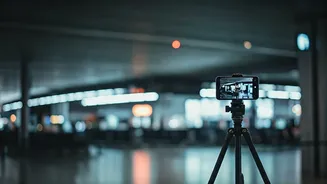
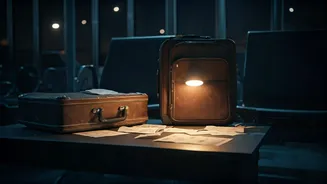
Your freedom to film shrinks dramatically in certain locations. Airports, train stations, and border crossings are at the top of the list. Security personnel are trained to view filming as a potential threat, and you’re likely to be stopped, questioned, and forced to delete footage. The same goes for government buildings, military installations, and police stations. It’s a simple rule: if it’s related to national security, keep your camera away. Museums and art galleries often have strict no-filming policies to protect copyrights, manage crowd flow, and prevent damage from flashes or bulky equipment. And perhaps most importantly, places of worship—from ancient cathedrals to quiet temples—are not film sets. These are active spiritual centers where recording is often seen as deeply disrespectful. Always look for signage, but the default assumption should be that filming is prohibited.
The "Content Creator" Complication
There’s a world of difference between discreetly snapping a photo and setting up a mini-production. The moment you pull out a gimbal, a tripod, or a microphone, you transform from a tourist into a "content creator" in the eyes of others. This immediately draws more scrutiny. Authorities and property managers are far more likely to intervene if they believe you are filming for commercial purposes, even if you’re just trying to get a steady shot for your personal Instagram. In many popular tourist cities, filming with professional-looking gear without a permit is explicitly illegal and can result in immediate fines. If your goal is to have a smooth travel day, looking like a low-key tourist is always the better strategy.
The Human Element: Just Ask
Filming people without their consent is a major ethical and, in some places, legal pitfall. Capturing the general ambiance of a bustling market is one thing; aiming your lens directly at a shopkeeper or a child is another. In many cultures, it’s considered exceptionally rude and invasive. For some, there are also spiritual beliefs tied to being photographed or filmed. You are a guest in their home, and your desire for “authentic” footage doesn't override their right to privacy. The solution is incredibly simple: ask. A smile and a gesture toward your camera are often enough. You can use a translation app to ask, “May I take a video?” Most of the time, people will either happily agree or politely decline. Either way, you have shown respect, avoided a potentially ugly confrontation, and acted like a considerate global citizen instead of a content-hungry tourist.
Smarter Ways to Capture Memories
The fear of missing a shot can ironically cause you to miss the entire experience. To avoid trouble and be more present, consider a different approach. Instead of continuous video, focus on taking a few intentional, well-composed still photographs. They are less intrusive and often capture a moment more powerfully. Another great alternative is to put the phone away entirely and simply observe. Make a mental snapshot. What are the sounds, the smells, the feeling of the air? You can write these details down in a journal later. This practice not only keeps you out of trouble but also deepens your connection to the place you’re visiting, creating memories that will last far longer than a shaky phone video.