
What Exactly Is Poha?
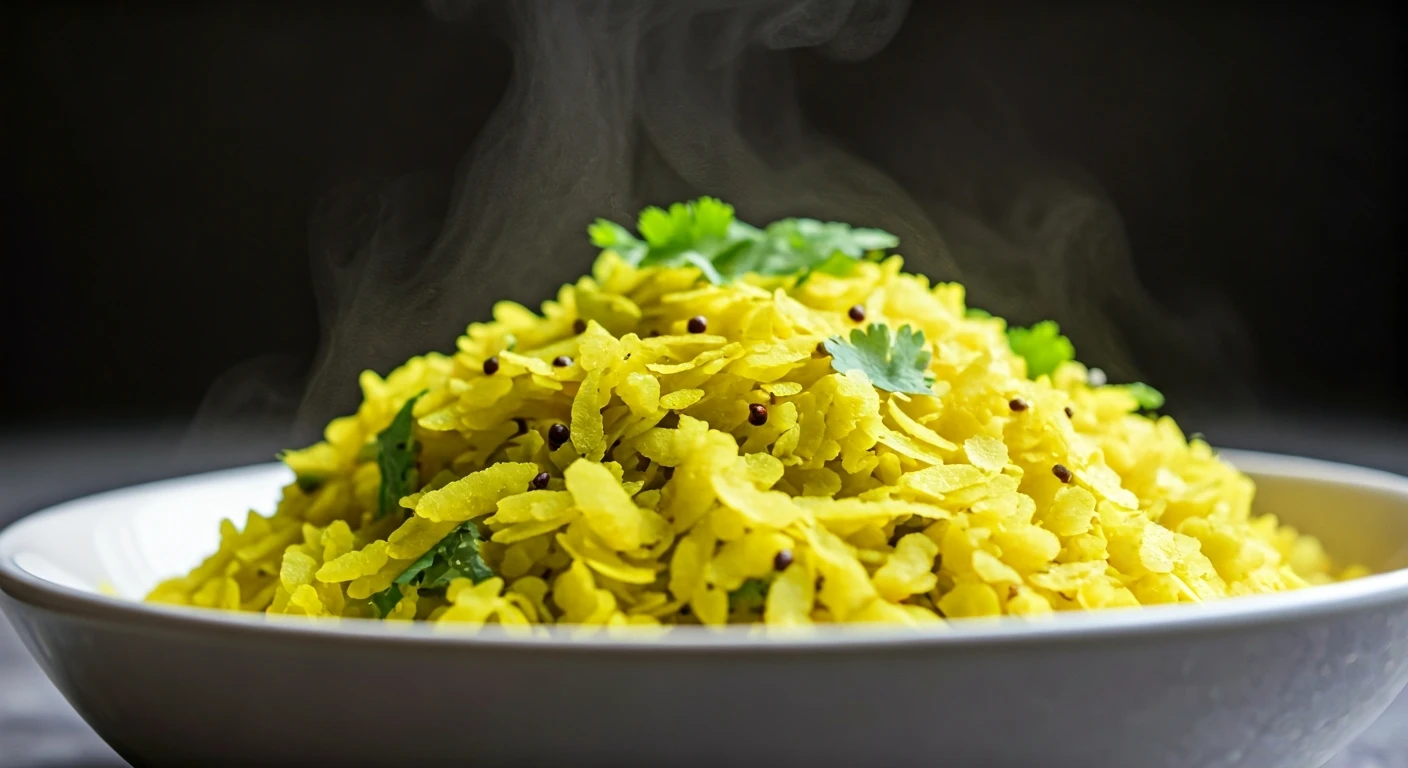
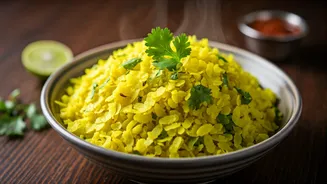
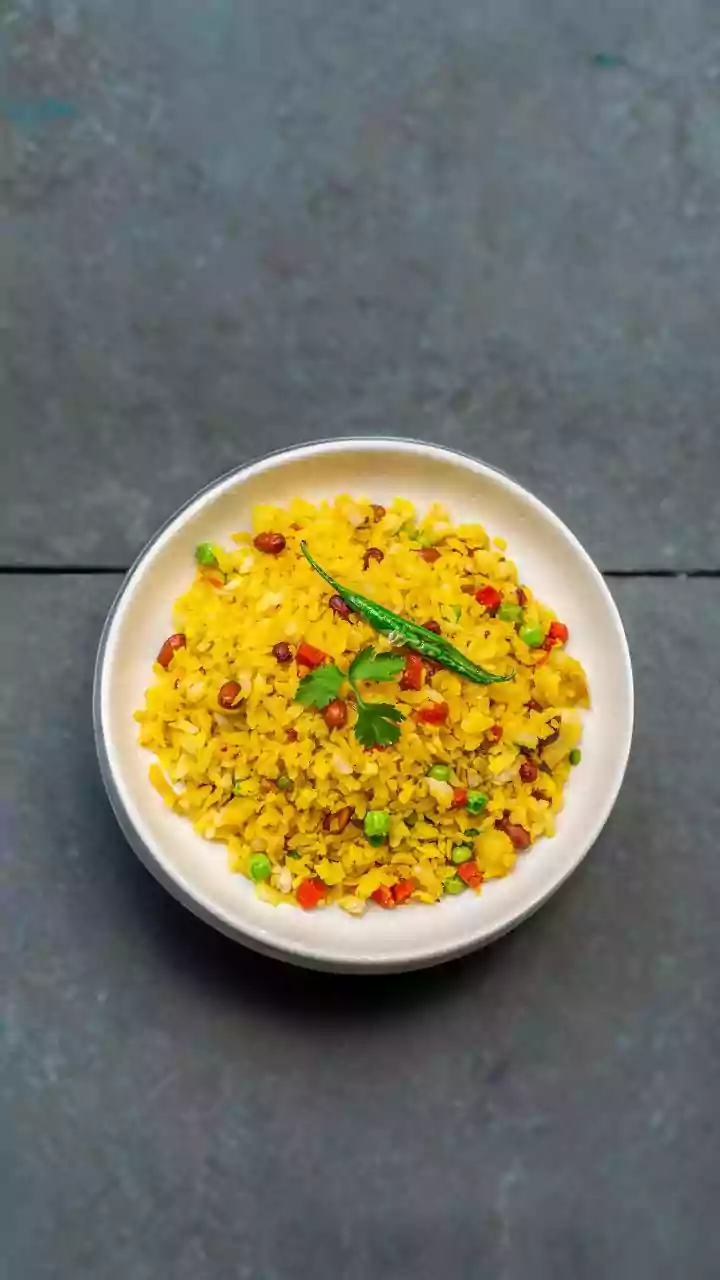
For the uninitiated, let’s get the basics out of the way. Poha is an Indian dish made from flattened or beaten rice flakes. Think of it like the subcontinent’s answer to oatmeal or grits, but with a personality all its own. The rice flakes are incredibly
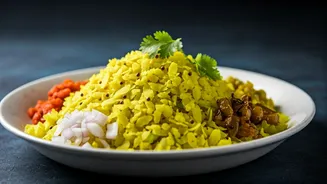
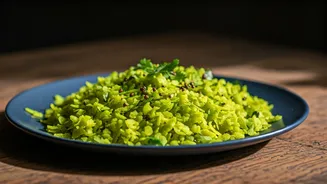
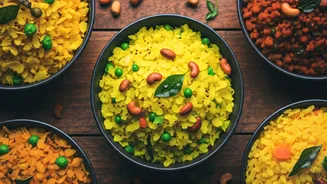
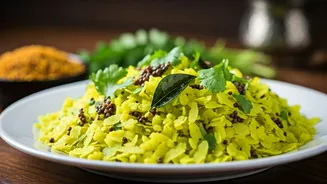
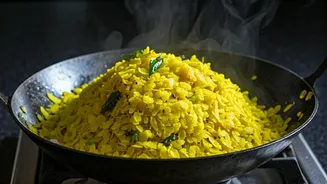
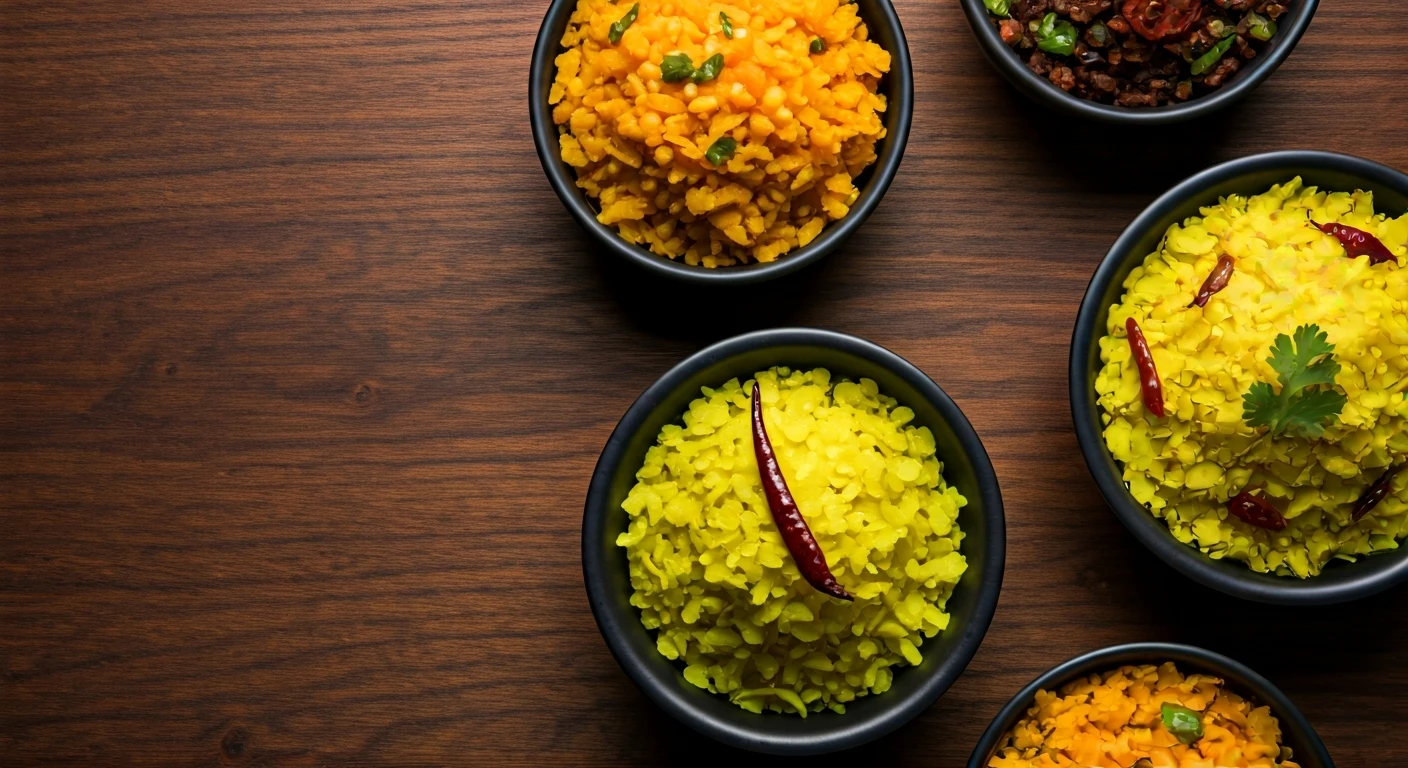
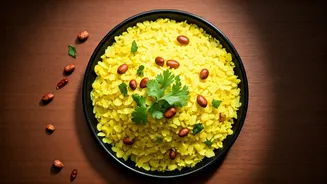
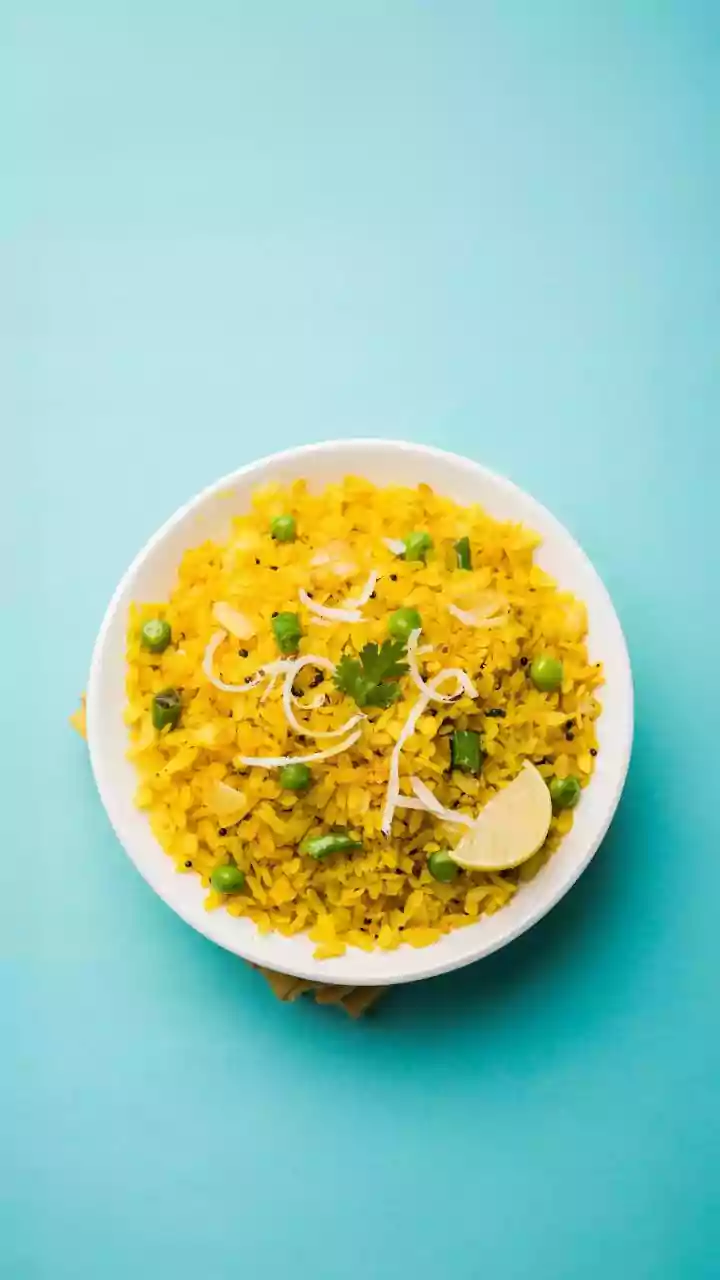
light and airy. To prepare them, they're briefly soaked in water, which puffs them up into soft, delicate morsels. From there, the magic begins. The rehydrated flakes are typically stir-fried with a symphony of simple ingredients: mustard seeds popped in hot oil, fragrant curry leaves, turmeric for that signature yellow hue, and often, finely chopped onions and potatoes. It’s a canvas that’s both comforting in its simplicity and endlessly adaptable.
A Breakfast with Many Faces
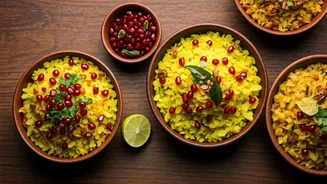
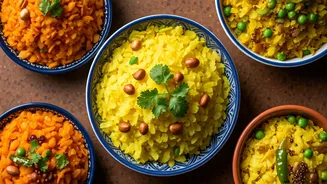
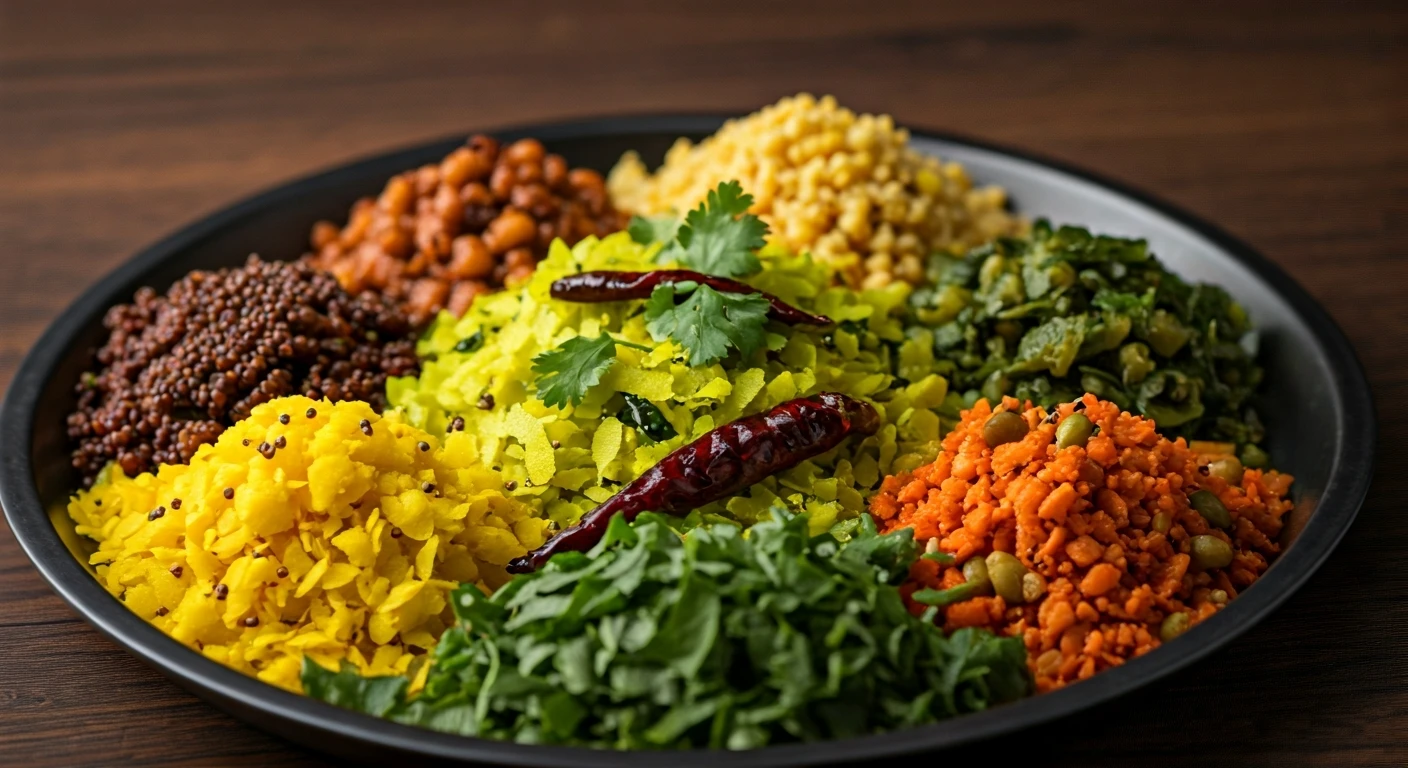
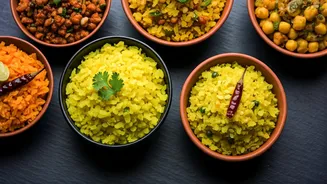
To say you’re having “poha” is like saying you’re having “sandwiches.” The real question is, which one? Travel across India, and you’ll find poha morphs to reflect the local palate. In Maharashtra, Kanda Poha reigns supreme, loaded with sautéed onions (“kanda”). Head to Indore in Madhya Pradesh, and you’ll be treated to a sweet, spicy, and tangy version, steamed to perfection and generously topped with crispy sev (fried chickpea noodles), pomegranate seeds, and a special spice blend called jeeravan masala. In parts of Karnataka, it might be served as Dadpe Poha, a no-cook version where the flakes are softened with grated coconut, onions, and lime juice, almost like a savory salad. Each variation is a fierce point of local pride, a breakfast that tells you exactly where you are.
More Than Just a Meal
Poha’s appeal isn't just about taste; it’s about accessibility and culture. It’s the quick breakfast a parent whips up on a busy school morning. It’s the cheap, filling, and delicious meal served by street vendors from steaming carts. It’s the comfort food offered to an unexpected guest. Because the base ingredient—dried rice flakes—is shelf-stable and affordable, poha is a democratic dish, enjoyed by millions across all walks of life. It’s light on the stomach but satisfying, making it the perfect fuel to start the day without weighing you down. This combination of speed, affordability, and deliciousness has cemented its place not just on the breakfast table, but in the cultural fabric of the nation.
The Unsung Health Hero
In an era of wellness trends and superfood obsessions, poha has been quietly doing its job for centuries. It's naturally gluten-free, making it a great option for those with sensitivities. The flattened rice is a good source of healthy carbohydrates, providing sustained energy. The traditional addition of turmeric offers anti-inflammatory properties, while the customary squeeze of lime at the end adds a dose of Vitamin C that helps the body absorb the iron present in the rice flakes. It’s a well-rounded meal in a single bowl—a powerhouse of nutrients disguised as simple comfort food. It proves that healthy eating doesn't need to be complicated or expensive.
So, About That Holiday…
Yes, your favorite breakfast does have a day. World Poha Day is celebrated annually on June 7th. While its origins are more organic—born from social media campaigns and the collective enthusiasm of food lovers rather than an ancient decree—it has become a legitimate moment for celebration. On this day, social media feeds fill with pictures of brightly colored bowls of poha, recipes are shared, and restaurants often run specials. It’s a modern testament to a timeless dish, a day for poha lovers to unite and share their passion, and for the uninitiated to finally ask, “What’s all the fuss about?” and discover the answer for themselves.