






More Than Just One Food
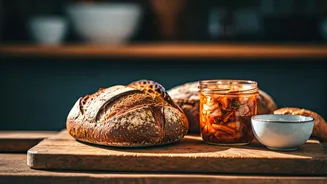
The latest movement in healthy eating isn't about a single miracle ingredient or a restrictive new diet. Instead, it’s a philosophy: a return to food practices that have nourished humanity for centuries. From the bubbling jars of fermented vegetables
on countertops to the revival of ancient grains, Americans are rediscovering the wisdom of their ancestors. This isn't about romanticizing the past but recognizing that traditional foodways—developed long before industrial processing and synthetic additives—often hold powerful keys to modern wellness. These methods were born from necessity, designed to preserve food, maximize nutrition, and foster community. Today, they offer a compelling antidote to a food system that often feels complicated, artificial, and disconnected from its roots. This trend is less about a specific recipe and more about a mindset: what if the healthiest way forward is to look back?
The Gut-Friendly Power of Fermentation
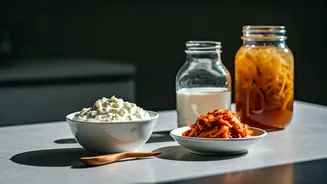
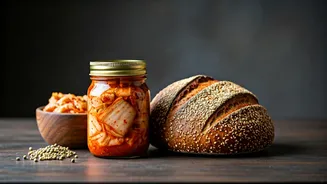
Perhaps the most visible example of this trend is the boom in fermented foods. Items like kimchi, sauerkraut, kefir, and kombucha are no longer niche products but grocery store staples. For millennia, cultures across the globe used fermentation to preserve food without refrigeration. Korean families made kimchi to store vegetables through winter; European villagers made sauerkraut and kefir. This ancient preservation technique creates a rich, complex flavor and, as we're now understanding, a host of health benefits. The process encourages the growth of beneficial bacteria, or probiotics, which are essential for a healthy gut microbiome. Modern science is increasingly linking gut health to everything from our immune system and digestion to our mental clarity. By embracing fermentation, we're not just enjoying a tangy condiment; we're reintroducing a practice that supports the very ecosystem inside us, a technique our ancestors perfected through generations of observation and practice.
Rediscovering Grains and 'Nose-to-Tail'
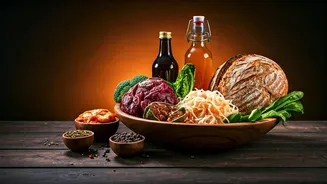
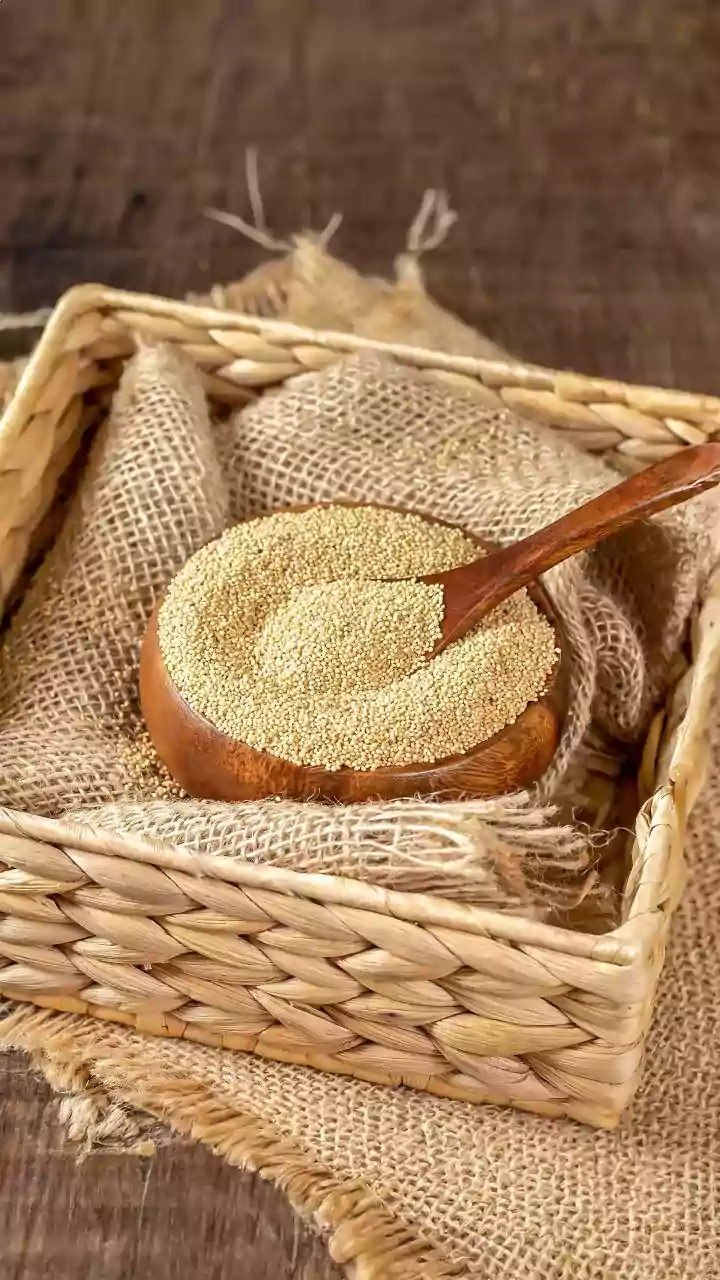
Beyond fermentation, this return to tradition is reshaping other parts of our plates. Take grains, for instance. For decades, refined white flour dominated American kitchens. Now, so-called "ancient grains" like quinoa, amaranth, farro, and spelt are making a major comeback. These are grains that have been cultivated in the same form for thousands of years, offering more protein, fiber, and micronutrients than their heavily processed modern counterparts. They provide a taste of history and a more nutrient-dense carbohydrate source. A similar ethos is found in the "nose-to-tail" and "root-to-leaf" movements. These philosophies challenge us to use the whole animal or plant, just as our frugal ancestors would have. This means embracing organ meats, which are incredibly nutrient-dense, or using carrot tops to make pesto. It’s a sustainable, respectful, and deeply traditional approach that minimizes waste and maximizes nutritional value, pushing back against the modern habit of cherry-picking only the most convenient parts.
Why We Crave a Connection to the Past
So, why is this happening now? The trend's rise speaks volumes about our current moment. In an age of digital disconnection and bewilderingly long ingredient lists, traditional foods offer a sense of authenticity and transparency. Making your own sourdough or tending to a jar of kombucha provides a tangible, grounding experience. It's a small act of rebellion against a hyper-fast, convenience-obsessed world. There's also a growing distrust of large-scale industrial food production. By turning to traditional methods, people feel they are reclaiming control over their health and what they put into their bodies. This movement is about more than just probiotics and fiber; it's a search for meaning. It connects us to a human story that stretches back thousands of years, reminding us that sometimes the most profound innovations are the ones we simply forgot.