






The Green Revolution on the Rooftop
With over 30 million people packed into its metropolitan area, Delhi is the definition of a concrete jungle. Personal space is a luxury, let alone a plot of land for a garden. Yet, a quiet revolution is taking root. Driven by concerns over pesticide-laden
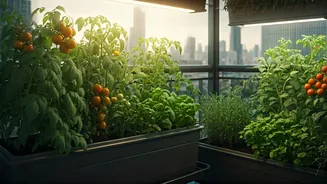
produce, rising food prices, and a desire to reconnect with nature, thousands of residents are transforming their limited outdoor spaces—balconies, terraces, and windowsills—into astonishingly productive food sources. What was once storage for water tanks or a place to dry laundry is now becoming a vibrant oasis of herbs, vegetables, and fruits. This movement, often called 'terrace gardening,' is a powerful display of human ingenuity in the face of extreme urban density.
The Science of Small-Space Farming
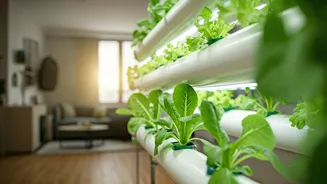
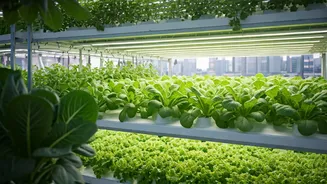
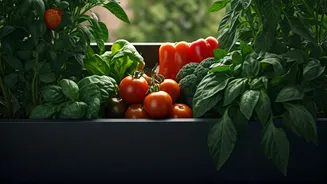
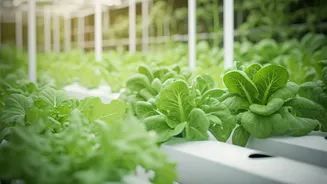
So, how are they doing it? The key isn't sprawling acreage but smart, intensive techniques. Vertical gardening is a popular method, using wall-mounted planters and trellises to grow climbing plants like beans, cucumbers, and gourds, maximizing yield per square foot. Hydroponics and aquaponics, soil-free systems that circulate nutrient-rich water, are also gaining traction, allowing for faster growth in controlled environments. For most, however, the foundation is simple container gardening. Lightweight grow bags, recycled plastic bottles, old paint buckets, and terracotta pots become homes for a surprisingly diverse array of crops. Tomatoes, chilies, spinach, eggplant, mint, and coriander are common staples that thrive in Delhi’s climate and adapt well to container life.
Redefining 'Self-Sufficiency'
The headline's claim of 'total self food sufficiency' is a powerful aspiration, but the reality is more nuanced. While a family can't grow all its calories on a 100-square-foot balcony, many are achieving something just as remarkable: total sufficiency in vegetables and herbs. Families report going months without buying greens, tomatoes, or chilies from the market. This not only slashes grocery bills but provides access to fresh, organic produce free from the pesticides that are a major concern for Indian consumers. The goal for many isn't to get completely 'off-grid,' but to supplement their diet in a meaningful way, ensuring their family eats healthier while reducing their reliance on a complex and sometimes contaminated supply chain.
More Than Just a Meal
The benefits of this movement extend far beyond the dinner plate. For many city dwellers, tending to their plants is a form of therapy—a daily ritual that reduces stress and provides a tangible connection to the natural world. It’s an educational tool for children, who learn firsthand where their food comes from. These small gardens also create micro-climates, helping to cool apartments during Delhi’s scorching summers. Furthermore, a community has blossomed around the trend. Neighbors share seeds, trade tips on composting kitchen scraps into fertilizer, and showcase their harvests on social media, inspiring others to start their own tiny farms. This shared passion fosters a sense of community and collective resilience in a city that can often feel anonymous and overwhelming.