





Beyond the Colonial Nostalgia
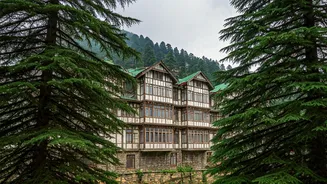
Mention Shimla, and the mind immediately conjures images of the British Raj: gabled houses, a steam-powered toy train winding through pine forests, and a grand central promenade known as the Mall Road. As the official summer capital of British India,
the city was built as a home away from home for colonial administrators seeking refuge from the plains. For years, that history has been the main attraction. Travelers came for the cool mountain air and a dose of architectural nostalgia, walking the same paths once trod by viceroys. But that narrative is changing. While its colonial charm remains a powerful draw, Shimla is consciously curating a new identity. It's an identity that looks beyond the 19th century, embracing both its deep-rooted Himachali heritage and a forward-looking artistic spirit. The city is no longer just a place to remember the past; it's a place to experience a living, breathing culture in the present.
The Summer Festival Reimagined
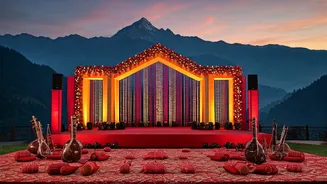
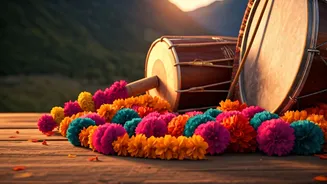
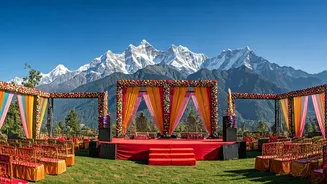
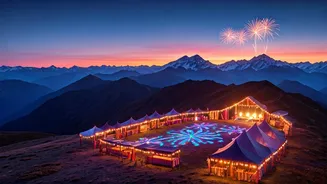
The centerpiece of this cultural renaissance is the Shimla Summer Festival. Traditionally a fixture of the town’s calendar, the event has been revitalized into a multi-day spectacle that takes over the city's historic heart, The Ridge. What was once a modest local fair has evolved into a major cultural event drawing artists from across India. Imagine standing in the crisp mountain air as the sun sets behind the Himalayas, the iconic Christ Church illuminated beside a sprawling stage. One night, you might witness a high-energy performance by a Bollywood singer, followed the next by the hypnotic rhythms of traditional Himachali folk dancers in their colorful woolen attire. The festival brings together classical musicians, rock bands, local artisans, and even dog shows, creating an eclectic and democratic celebration of the arts that is free and open to all. It’s a vibrant, noisy, and joyful affair that asserts Shimla's place as a contemporary cultural center.
A Stage for Words and Ideas
Shimla’s cultural ambitions extend beyond music and dance. The city's historic Gaiety Theatre, a stunning example of Victorian Gothic architecture, has been meticulously restored and once again serves as a premier venue for performance and intellectual exchange. Its ornate, wood-paneled auditorium, which once hosted British amateur dramatists, now welcomes acclaimed theatrical productions from across the country. More significantly, Shimla has become home to the International Literature Festival, drawing renowned authors, poets, and thinkers to its mountain perch. Panels and readings take place in historic venues, turning the entire town into a campus for ideas. For a traveler, this means you can spend your days hiking through cedar forests and your evenings listening to a Nobel laureate discuss their work. It’s this blend of nature and intellect that sets the new Shimla apart, offering a depth that few other mountain resorts can match.
The Authentic Taste of the Hills
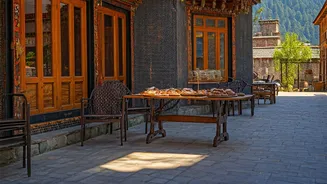
Perhaps the most significant shift is the renewed focus on authentic Himachali culture. For too long, the local identity was overshadowed by the colonial overlay. Today, that is being corrected. Travelers are encouraged to look beyond the cafes on Mall Road and discover the true flavors of the region. Small, family-run eateries serve up *dham*, a traditional multi-course meal served on leaf plates, featuring slow-cooked lentils, spiced vegetables, and tangy chutneys. At Lakkar Bazaar, adjacent to The Ridge, you can still find the famous wooden toys and walking sticks, but there's a growing market for high-quality, locally made woolen shawls, intricate Kinnauri hats, and organic produce from the surrounding valleys. This isn't just about shopping; it's about connecting with the artistic traditions and agricultural rhythms of the Pahari (mountain) people, offering a travel experience that feels more grounded and authentic.