
Why the Monsoon is a Secret Worth Sharing
For many American travelers, the idea of intentionally booking a trip during a region's rainy season sounds counterintuitive. We’re conditioned to seek out sun-drenched days and clear skies. But in South India, the monsoon (roughly June to September)
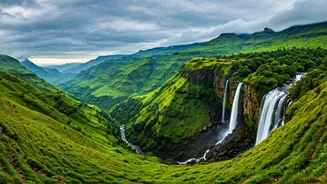
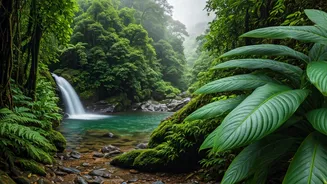
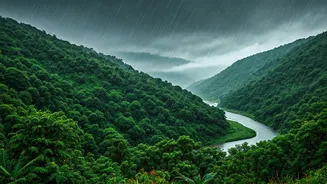
isn't a dreary, trip-ruining affair. It's the main event. This is when the landscape, parched from the dry heat of summer, explodes into a thousand shades of impossible green. Waterfalls, once mere trickles, roar back to life. The air is clean, fragrant with the smell of wet earth, and the entire region feels refreshed and rejuvenated. More importantly for the savvy traveler, it’s the off-season. This means significantly lower prices on everything from luxury resorts to charming homestays, far fewer tourists crowding the viewpoints, and a more authentic, peaceful experience of a region at its most vibrant.
Munnar, Kerala: A Carpet of Green Tea
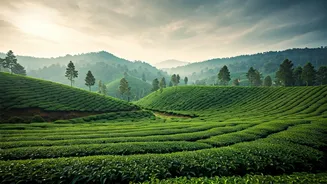
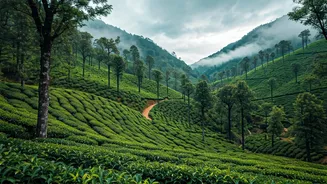
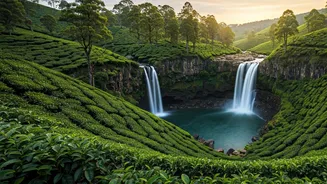
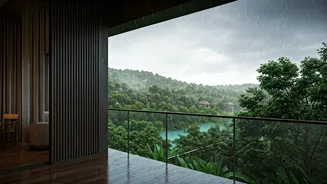
Imagine waking up to the sight of low-hanging clouds drifting through rolling hills covered in a perfect carpet of tea plants. That’s Munnar during the monsoon. The rain washes the tea leaves to a brilliant emerald, and the mist gives the entire area a mystical, almost ethereal quality. While heavy downpours can limit extensive trekking, the joy here is in the quiet moments. Find a resort with a great view, curl up on your balcony with a cup of locally grown tea, and simply watch the rain transform the world outside. Short walks between showers are magical, with the scent of tea and eucalyptus filling the cool air. It's also the perfect season for visiting the Attukad Waterfalls, which are at their most spectacular during these months. You'll find deals on luxury stays that would be unthinkable during the peak winter season.
Coorg, Karnataka: The Scotland of India
Nicknamed the "Scotland of India" for its misty hills and verdant landscapes, Coorg (Kodagu) arguably looks its best during the monsoon. The region's famed coffee plantations become intensely green, and the entire area is shrouded in a romantic fog. The sound of the rain on the roof of a traditional Kodava homestay is a therapy session in itself. This is the time to visit Abbey Falls and Iruppu Falls, as they swell into thunderous, awe-inspiring spectacles. While outdoor activities like river rafting might be restricted, the drive through the winding ghat roads, with waterfalls cascading right beside the highway, is an adventure in itself. Many resorts offer cozy fireplaces and special monsoon packages that include indoor activities and delicious local cuisine, perfect for a rain-soaked, relaxing getaway.
Wayanad, Kerala: A Land of Legends and Lakes
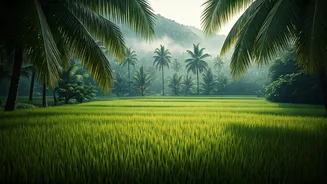
Wayanad is a highland district in Kerala that combines history, nature, and adventure. During the monsoon, its paddy fields become a vibrant, fluorescent green, and the numerous lakes and reservoirs fill to the brim. It’s a photographer’s dream. A key attraction is the Banasura Sagar Dam, which creates a stunning reservoir with small islands that become even more picturesque when surrounded by rain clouds. You can also trek to the ancient Edakkal Caves (check for accessibility during heavy rain) or visit the Soochipara Falls, also known as Sentinel Rock Waterfalls. The rain revitalizes the spice gardens, and a guided tour becomes a fragrant, sensory experience. Wayanad offers a range of accommodations, from rustic treehouses to wellness retreats, all of which are more affordable and serene during the monsoon.
Kanyakumari, Tamil Nadu: Where Three Seas Meet
While many destinations are about hiding from the rain, Kanyakumari, the southernmost tip of mainland India, offers a unique opportunity to embrace its drama. This is where the Arabian Sea, the Bay of Bengal, and the Indian Ocean converge. Watching the monsoon storms roll in across the turbulent, multi-hued waters is a powerful, humbling experience. The wind whips, the waves crash against the Vivekananda Rock Memorial, and the sky puts on a spectacular show of gray and silver. The crowds are minimal, allowing for quiet contemplation at the Gandhi Memorial and other seaside monuments. The experience isn't about sunbathing; it's about witnessing the raw power of nature at a unique geographical crossroads. It's a different kind of beach vacation, one that's more about awe than tanning, and the off-season rates make it an incredibly accessible one.