

A Land Carved by Extremes
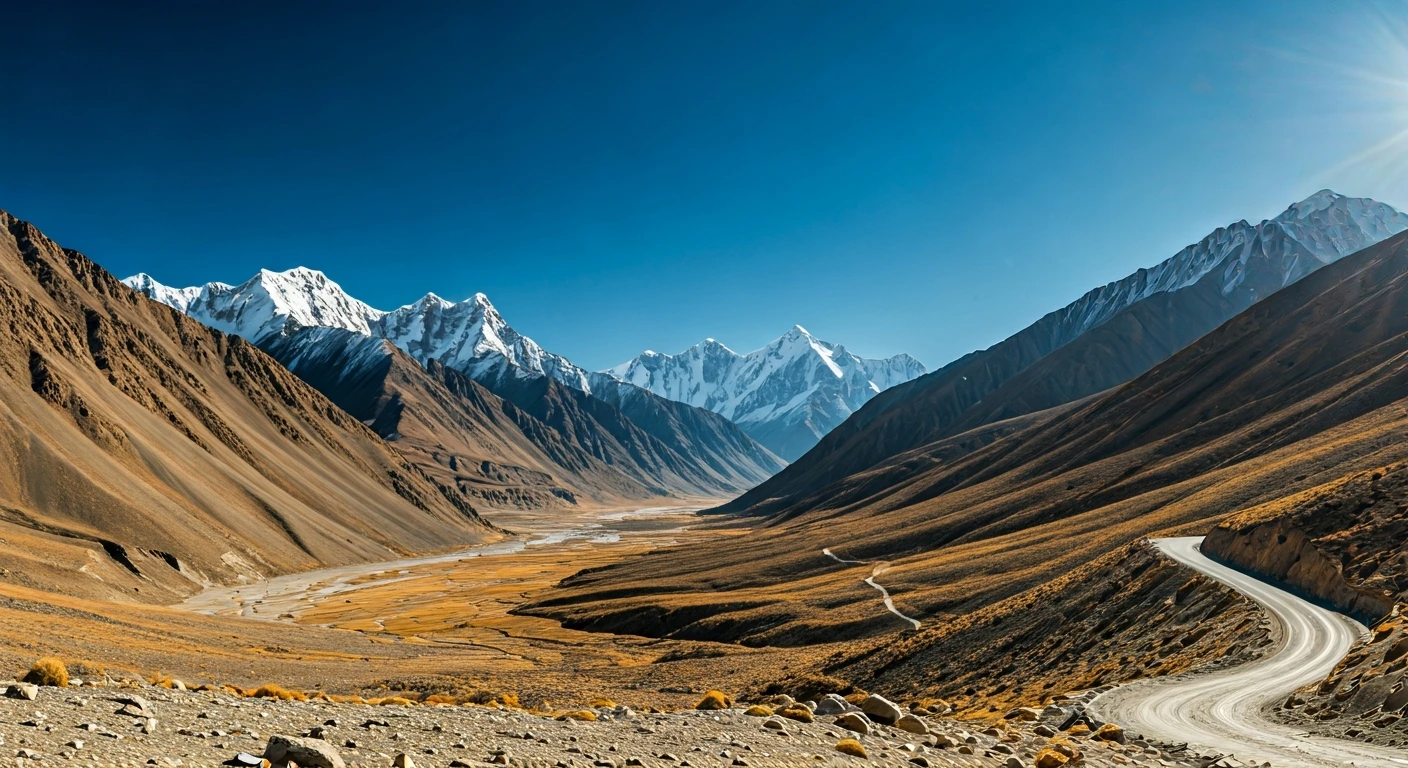
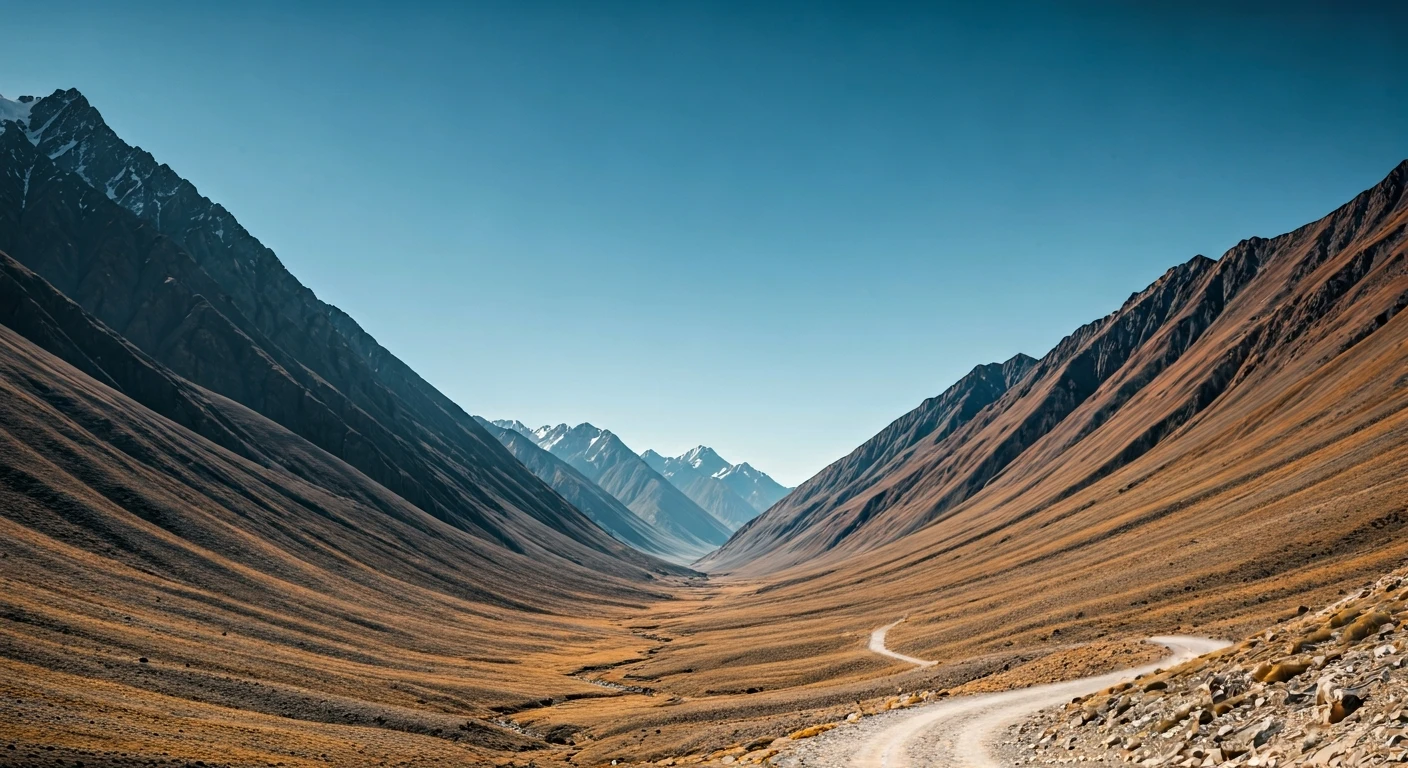
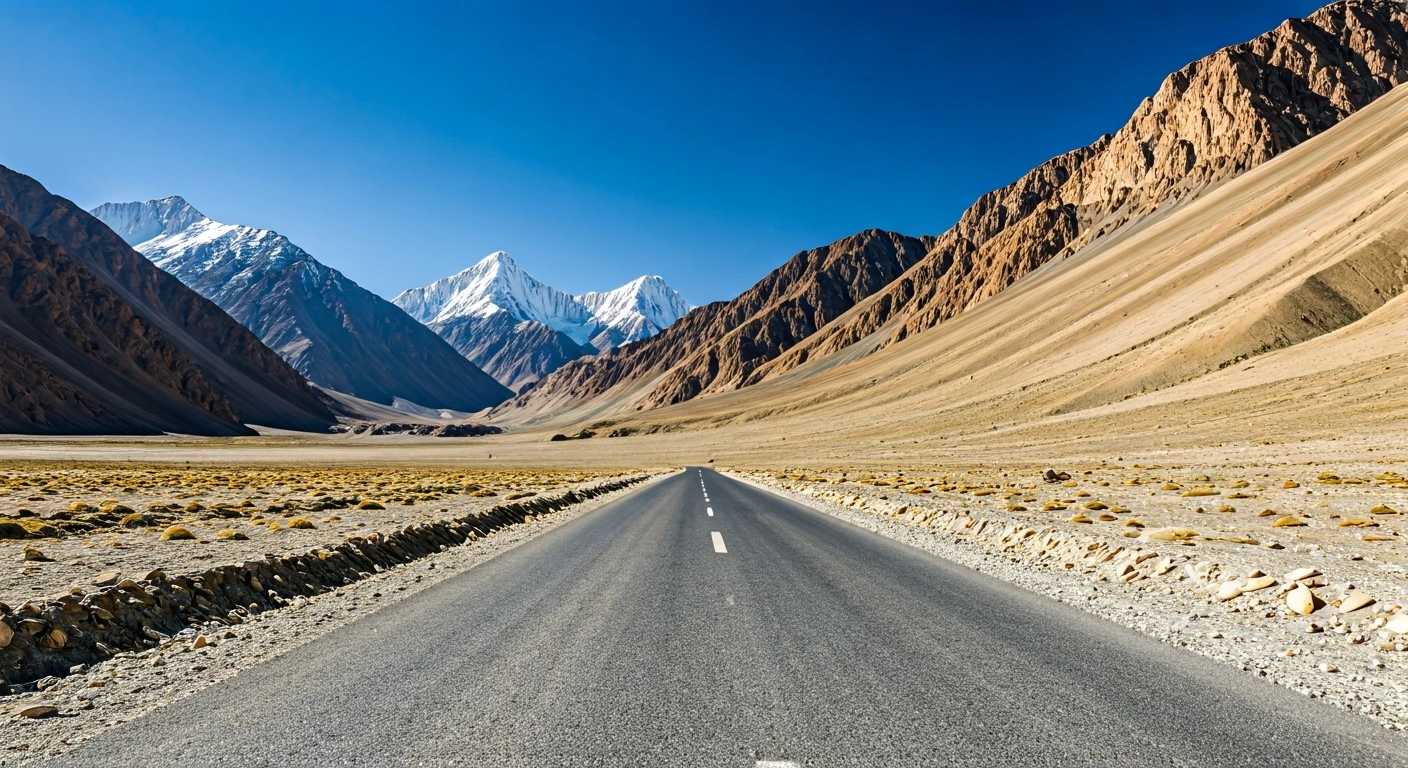
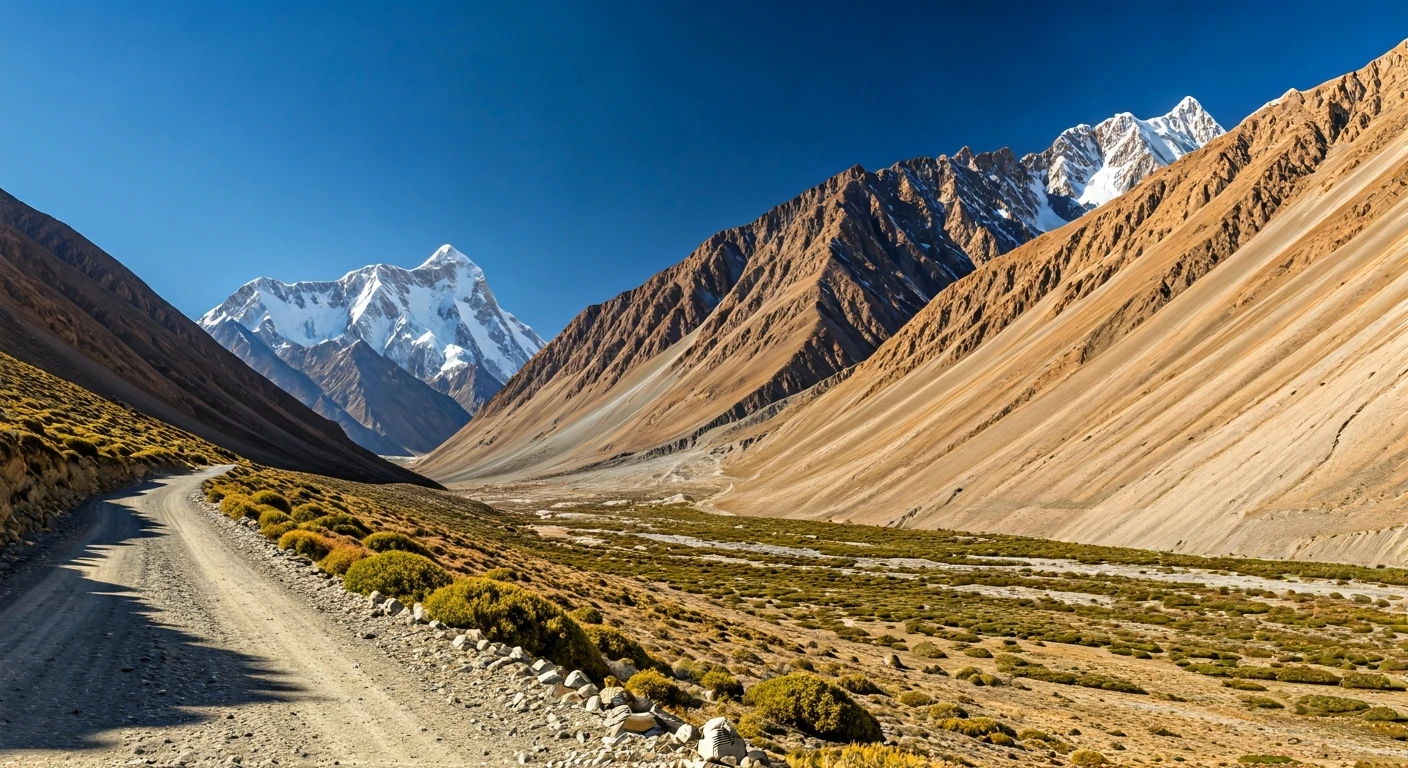
Tucked away in the northern Indian state of Himachal Pradesh, Spiti Valley is a high-altitude cold desert that feels like another planet. Often called “Little Tibet” for its stark landscapes and vibrant Buddhist culture, its defining feature is its climate.
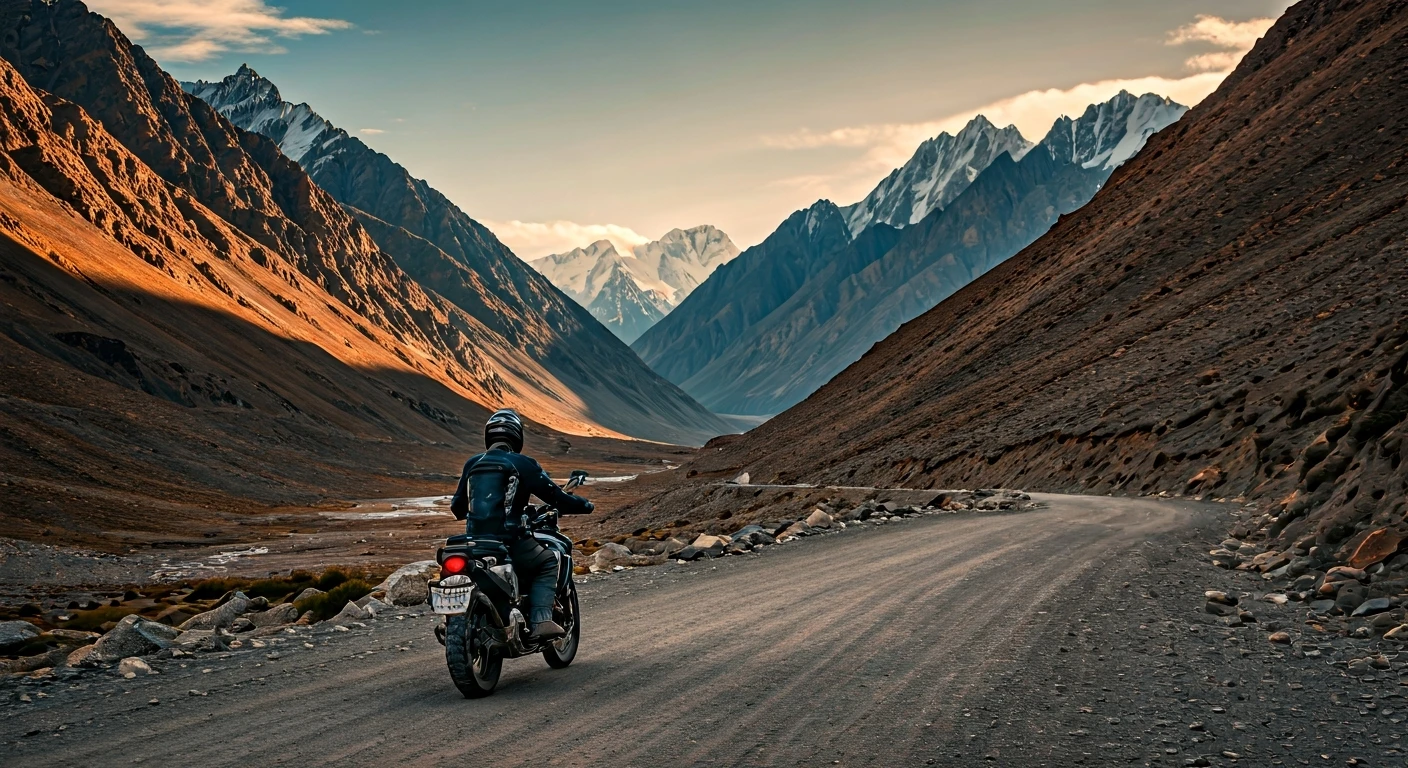
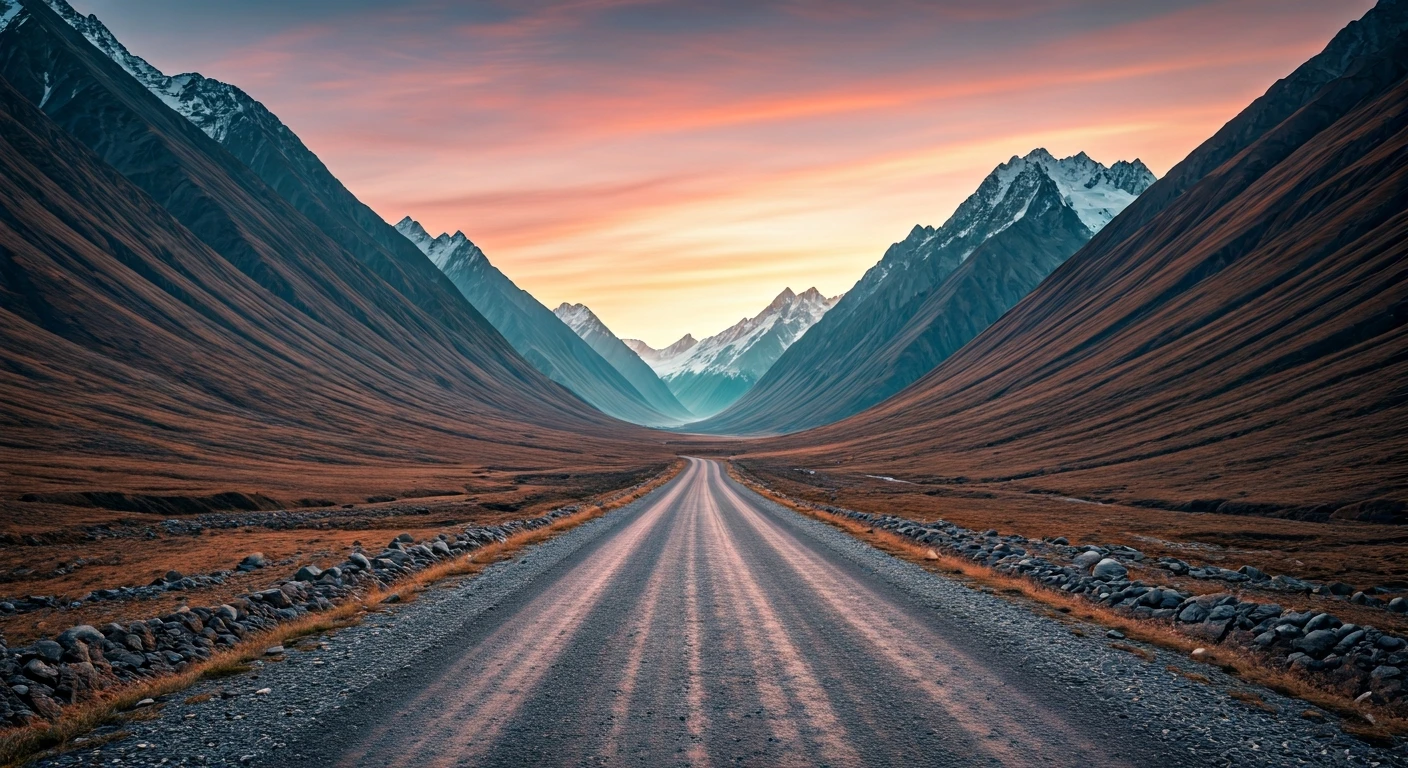
Situated in a rain shadow behind the main Himalayan range, Spiti receives very little precipitation, resulting in crystal-clear skies for most of the year. With an average elevation of over 12,500 feet, the air is thin. This combination creates a perfect storm for dramatic temperature swings. During the summer months, the sun’s rays are unfiltered and intense, quickly warming the barren, rocky terrain. But as soon as the sun dips below the jagged peaks, that heat vanishes into the thin atmosphere, and the temperature plummets. A day that felt like a pleasant 65°F can easily drop to near freezing overnight. This isn’t a bug; it's the central feature of life here, shaping everything from the architecture to the rhythm of the day.
The Brilliance of a Daylight Adventure
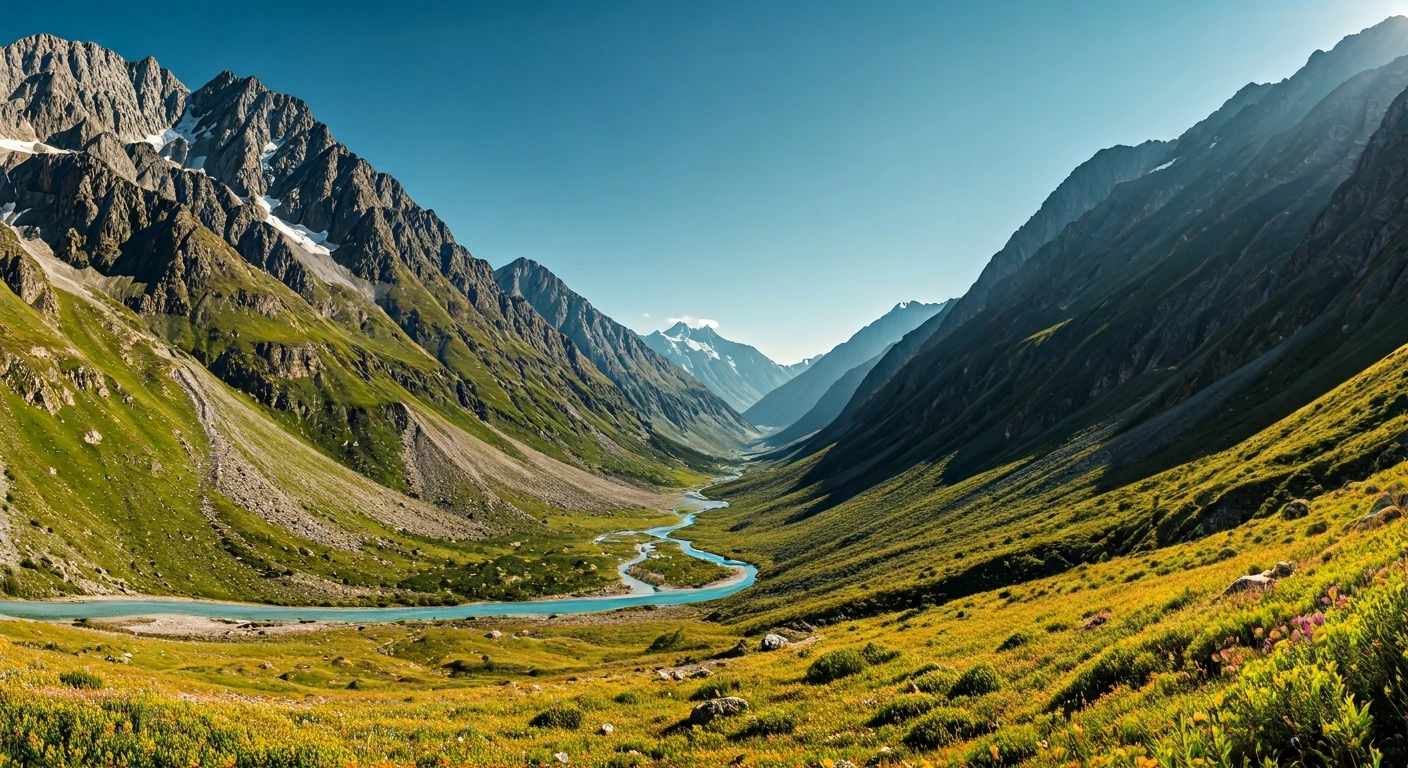
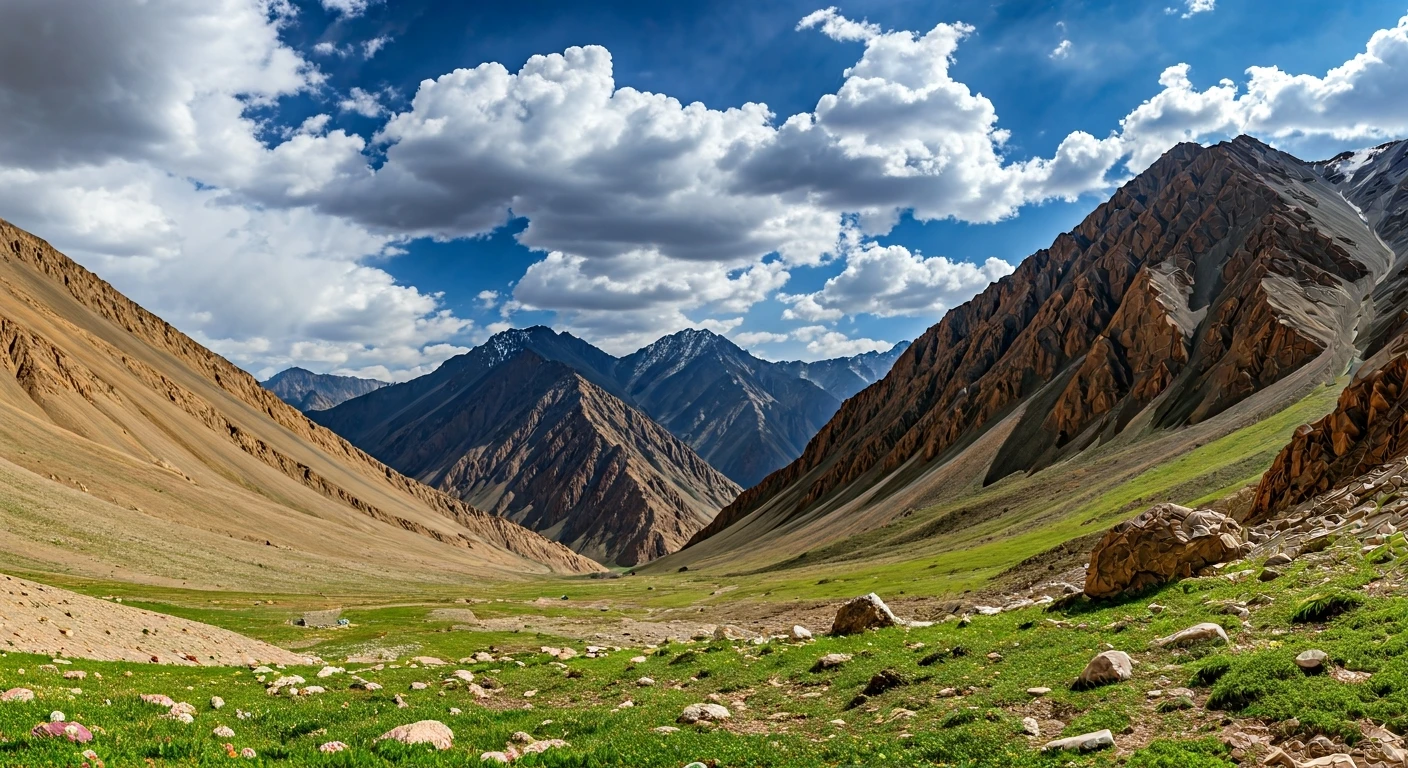
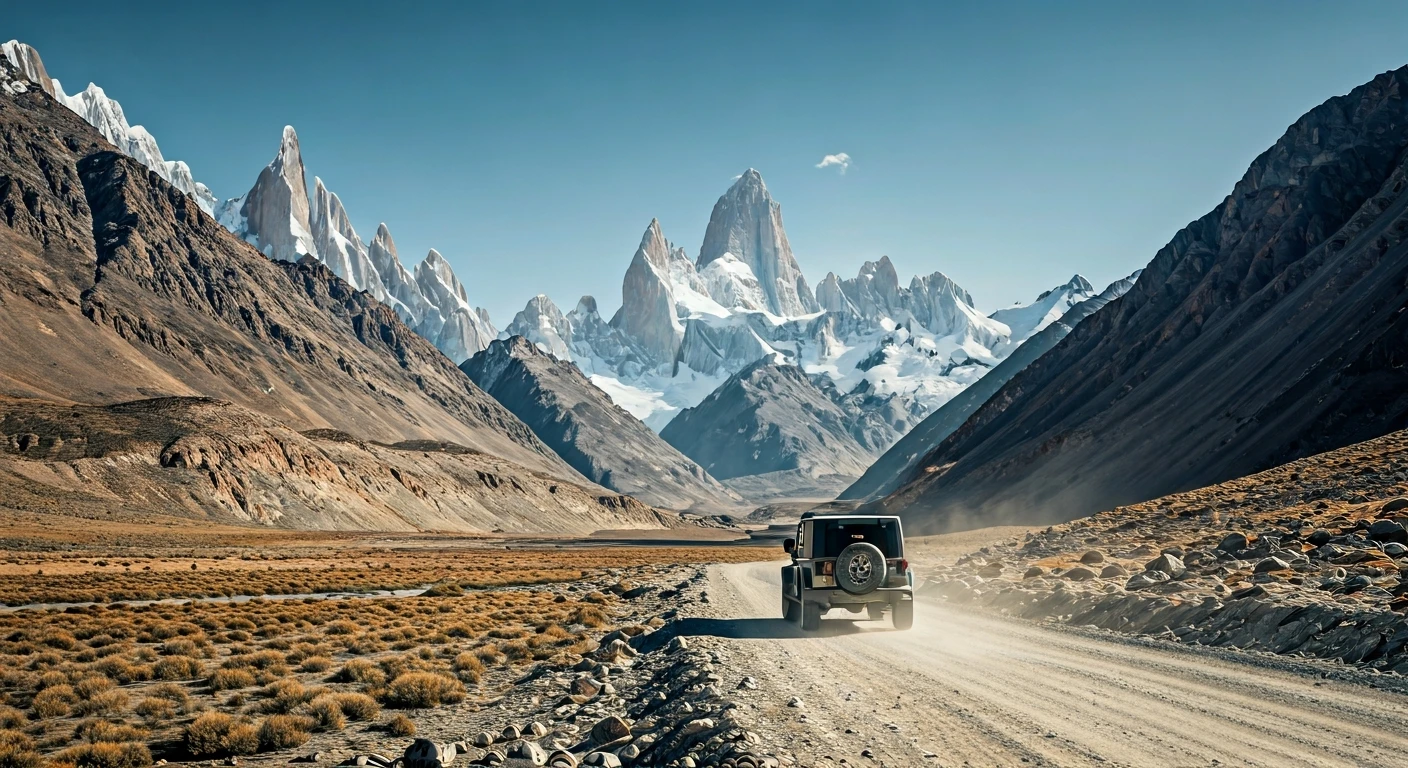
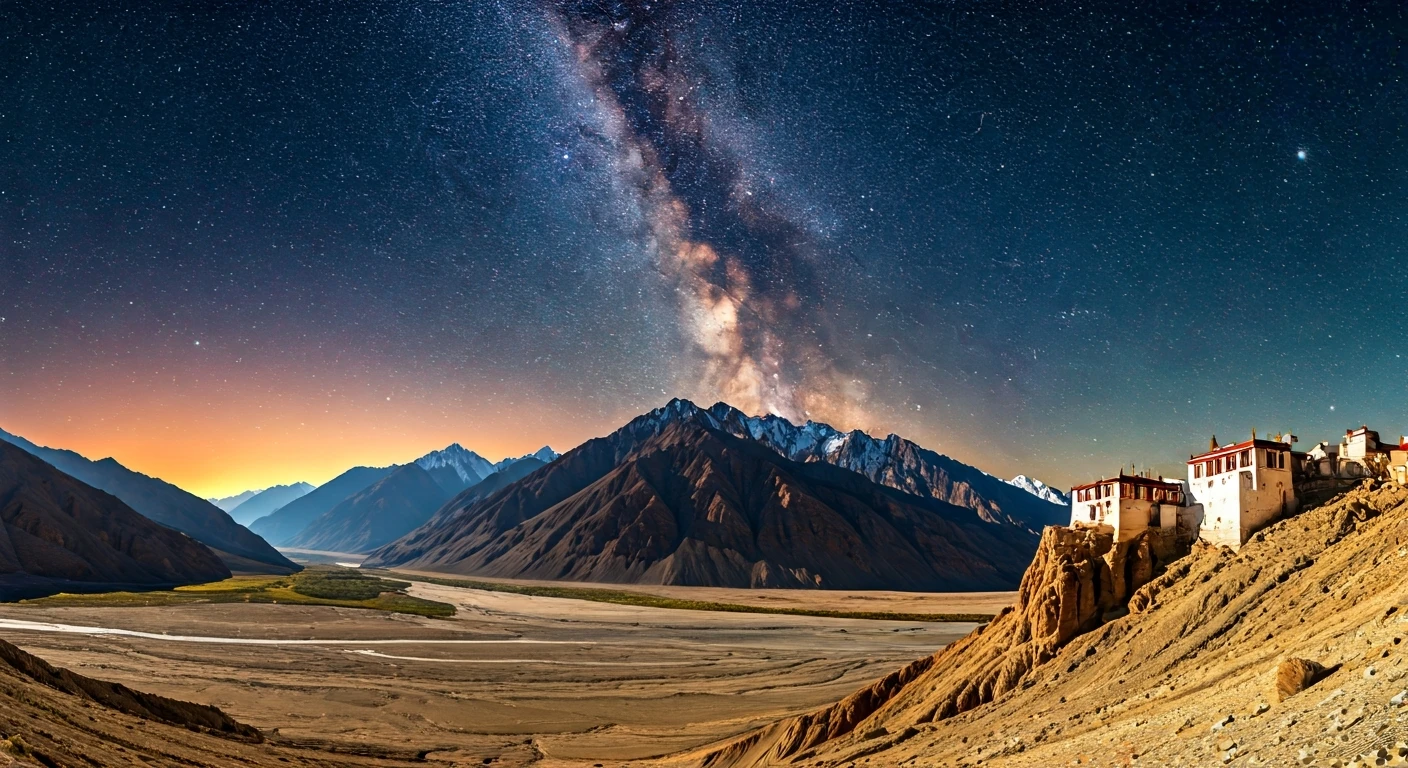
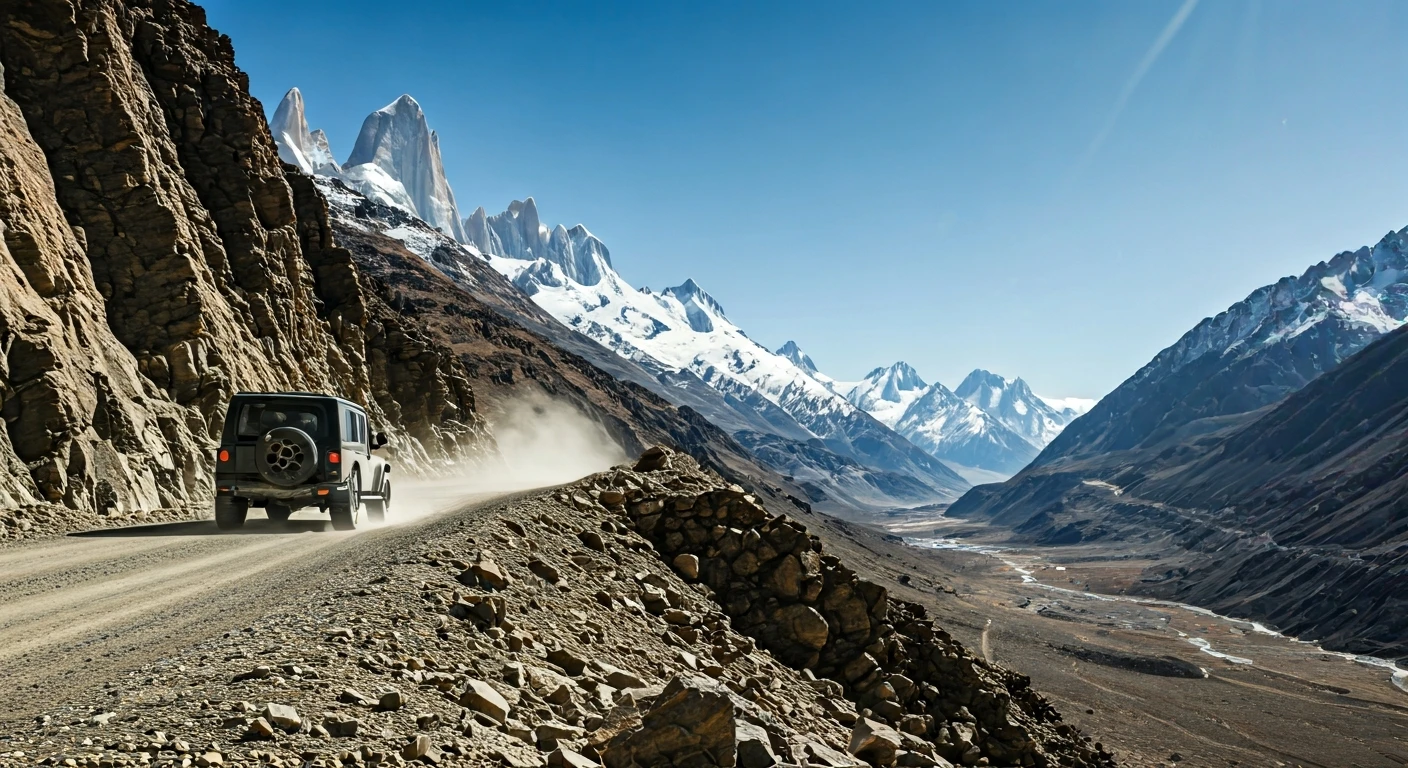
The intense daytime sun makes Spiti a photographer’s paradise and an adventurer’s dream. The light is so sharp and clear that colors pop with an otherworldly intensity: the deep blue of the sky, the earthy browns and grays of the mountains, and the vibrant greens of the pea and barley fields that hug the riverbanks. This is the time to explore. A drive through the valley reveals ancient monasteries that seem to cling impossibly to cliffsides. At Key Gompa, one of the region’s largest and most iconic monasteries, the whitewashed walls gleam under the sun, and young monks in crimson robes can be seen darting through courtyards. In the village of Tabo, you can step into a 1,000-year-old monastery complex whose dark, mud-walled interiors are covered in breathtaking murals, preserved for centuries by the dry, stable climate. The warmth of the sun makes it possible to hike to stunning viewpoints, visit remote villages like Kibber and Langza, and simply sit by the turquoise Spiti River, soaking in the immense scale of the landscape.
The Sacred Chill of Night
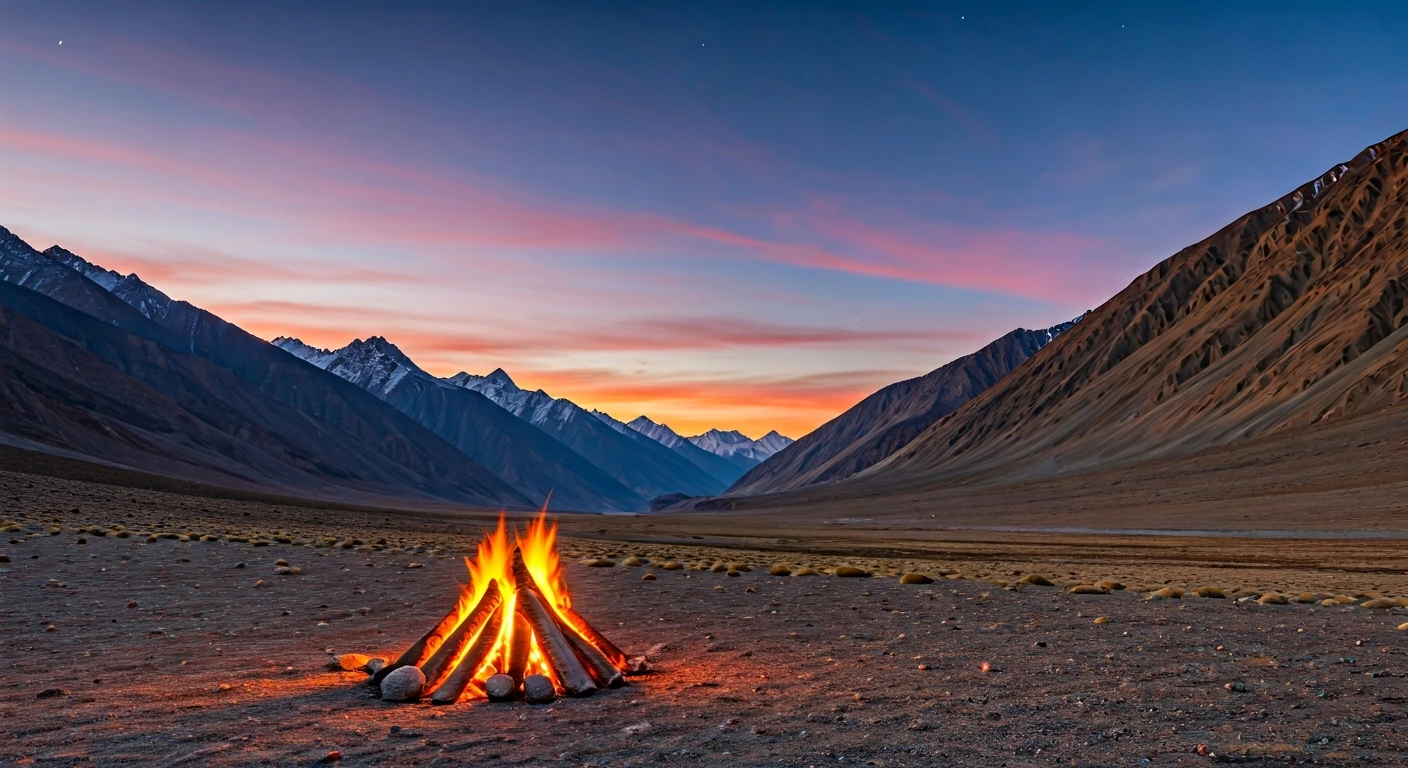
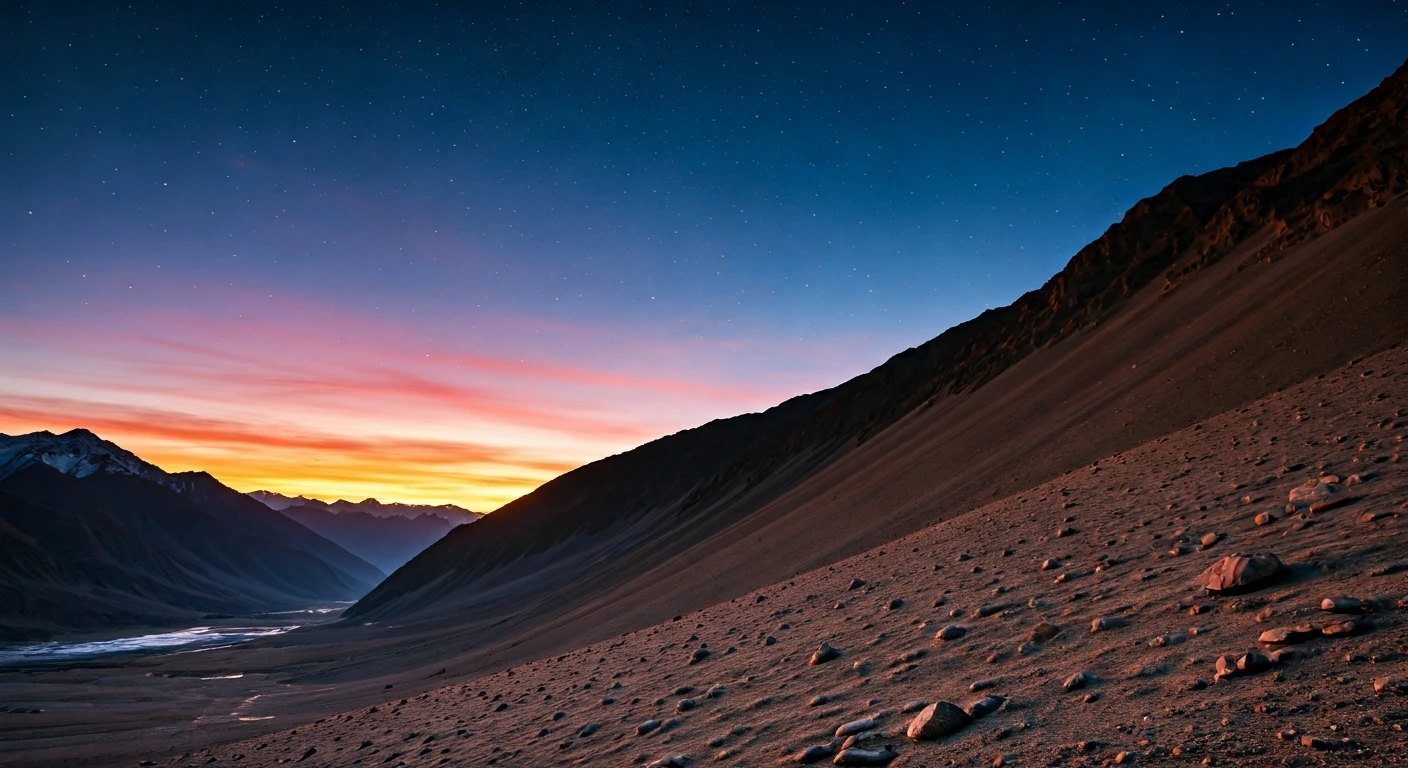
As dusk settles, the valley transforms. The cold that creeps in isn’t just a drop in temperature; it's a profound shift in atmosphere. The world shrinks to the warmth of a homestay kitchen or the cozy interior of a local café in Kaza, the valley's main town. This is when the true hospitality of the Spitian people shines. You’ll find yourself sharing cups of butter tea or a hearty meal of thukpa (noodle soup) with your hosts, listening to stories of life in one of the world's most challenging environments. But the real magic happens when you step outside and look up. With no light pollution and thin, dry air, the night sky in Spiti is an overwhelming spectacle. The Milky Way isn’t a faint smudge; it’s a brilliant, textured band of light arcing across the entire sky. Constellations are so dense with stars they are almost unrecognizable. It’s a humbling, almost spiritual experience to stand in the freezing, silent darkness beneath a canopy of seemingly infinite stars, a powerful reminder of your small place in a vast universe.
How to Embrace the Duality
Experiencing Spiti’s climate is the essence of the journey, but it requires preparation. The key is layering. A typical day might start with a fleece and a windproof jacket, shed down to a t-shirt by midday, and then piled back on as evening approaches. Sun protection is non-negotiable: the high-altitude UV rays are powerful, so bring high-SPF sunscreen, a wide-brimmed hat, and quality sunglasses. The main travel season runs from June to September, when the roads are generally clear of snow and the day-night temperature swing is most pronounced. It’s also crucial to acclimatize properly to the altitude to avoid sickness. Most travelers spend a day or two in a lower-altitude town before ascending into the heart of the valley. By embracing this rhythm—active exploration during the warm, bright days and quiet, cozy reflection during the cold, starry nights—you’re not just visiting Spiti; you’re living by its ancient, elemental clock.