



The New Kitchen Commandment
For generations, the Indian kitchen was a domain of patience and process. The daily routine often involved grinding fresh spices, soaking lentils, and slow-cooking curries over several hours. This culinary tradition, passed down through families, is revered
for its depth and complexity. But across India’s booming cities, a quiet revolution is taking place. The new commandment is speed. The modern Indian household, particularly in urban centers like Mumbai, Bengaluru, and Delhi, is trading long shopping lists and elaborate prep work for solutions that promise flavor without the fuss. This isn't about abandoning traditional tastes; it's about finding a way to fit them into a 21st-century lifestyle defined by long commutes, dual-income families, and the universal desire for a little more time back in the day.
Drivers of the Convenience Revolution
This shift isn't happening in a vacuum. It’s the direct result of massive social and economic changes. The primary driver is a dramatic increase in the number of women in the urban workforce. With less time available for household labor, the multi-hour cooking marathon is no longer feasible or desirable. Add to this the rise of nuclear families living in smaller apartments, away from the multi-generational support systems that once helped manage domestic tasks. Urbanization has also brought longer work hours and stressful commutes, leaving little energy for elaborate meal preparation. Think of it as a parallel to the post-war boom in the U.S. that gave rise to TV dinners and convenience foods, but supercharged by digital technology and a rapidly expanding middle class with disposable income and a hunger for modern solutions.
The Arsenal of Speed
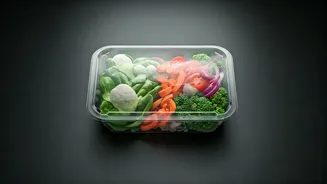
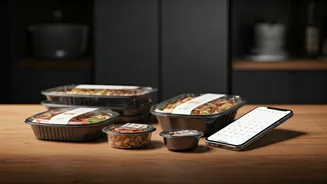
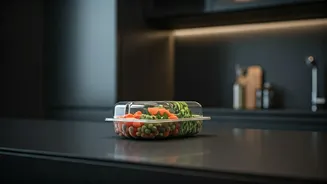
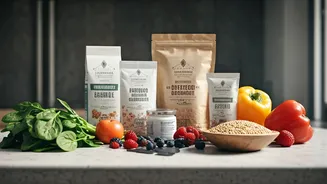
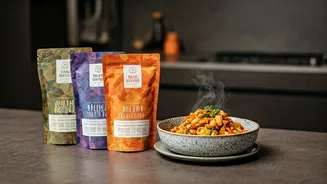
So, what does this new convenience look like? It’s a multi-pronged market catering to every level of “I don’t want to cook tonight.” At the top of the food chain are food delivery giants like Zomato and Swiggy, which have become an integral part of urban life, offering everything from street food to gourmet meals in under 30 minutes. A step below that is the booming ready-to-cook (RTC) category. Brands like iD Fresh Food and MTR Foods offer pre-made batters for dosas and idlis, ready-to-heat parathas, and sauce packets that turn basic ingredients into a complex curry in minutes. Then there are the meal kits, the Indian answer to Blue Apron, which provide pre-portioned ingredients and a simple recipe card. These services bridge the gap between a full home-cooked meal and a takeaway, offering the satisfaction of cooking without the drudgery of prep. Even frozen food, once viewed with suspicion, is gaining traction with higher-quality options for everything from samosas to biryani.
A Multi-Billion Dollar Appetite
For businesses, this trend represents a colossal opportunity. India's ready-to-eat and ready-to-cook market is already valued at several billion dollars and is projected to grow exponentially. Venture capital is pouring into food-tech startups, while legacy consumer goods companies are rapidly expanding their convenience food portfolios. The competition is fierce, with companies battling over authenticity, freshness, and delivery speed. The challenge is to convince a discerning consumer base that convenience doesn't mean compromising on the authentic flavors they grew up with. The brands that succeed are those that nail this balance, offering products that taste like they could have been made in a family kitchen, but in a fraction of the time. This isn’t just a domestic Indian story; it’s a playbook that global food and beverage giants are watching with intense interest, seeing a preview of consumer shifts in other emerging economies.