



An Obsession, Not a Fruit
In the United States, we mark seasons with pumpkin spice lattes and summer watermelon. In India, a country of 1.4 billion people, the period from April to June is defined by a singular, all-consuming obsession: mangoes. This isn't just about enjoying
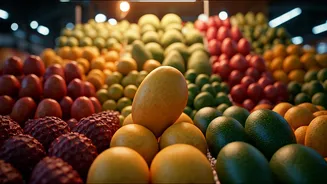
a sweet treat. The arrival of the first mangoes is front-page news. Families have heated debates over which variety is superior. Intricate supply chains spring to life, moving crates of the precious cargo from farms to every corner of the country, and indeed, the world. For Indians, the mango is a vessel for nostalgia, a taste of childhood summers, and a symbol of fleeting, perfect moments. It’s the flavor of lazy afternoons spent with grandparents and the sweet, sticky mess of juice running down your arms—a memory shared across generations.
The Undisputed King: Alphonso
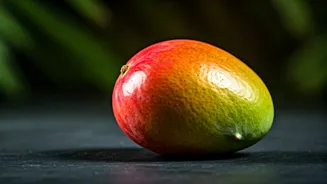
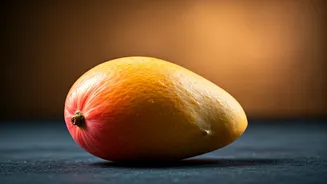
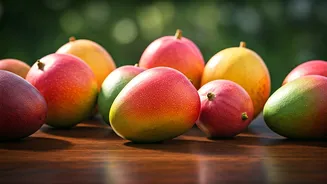
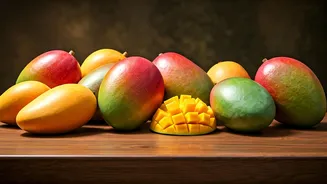
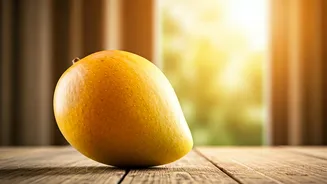
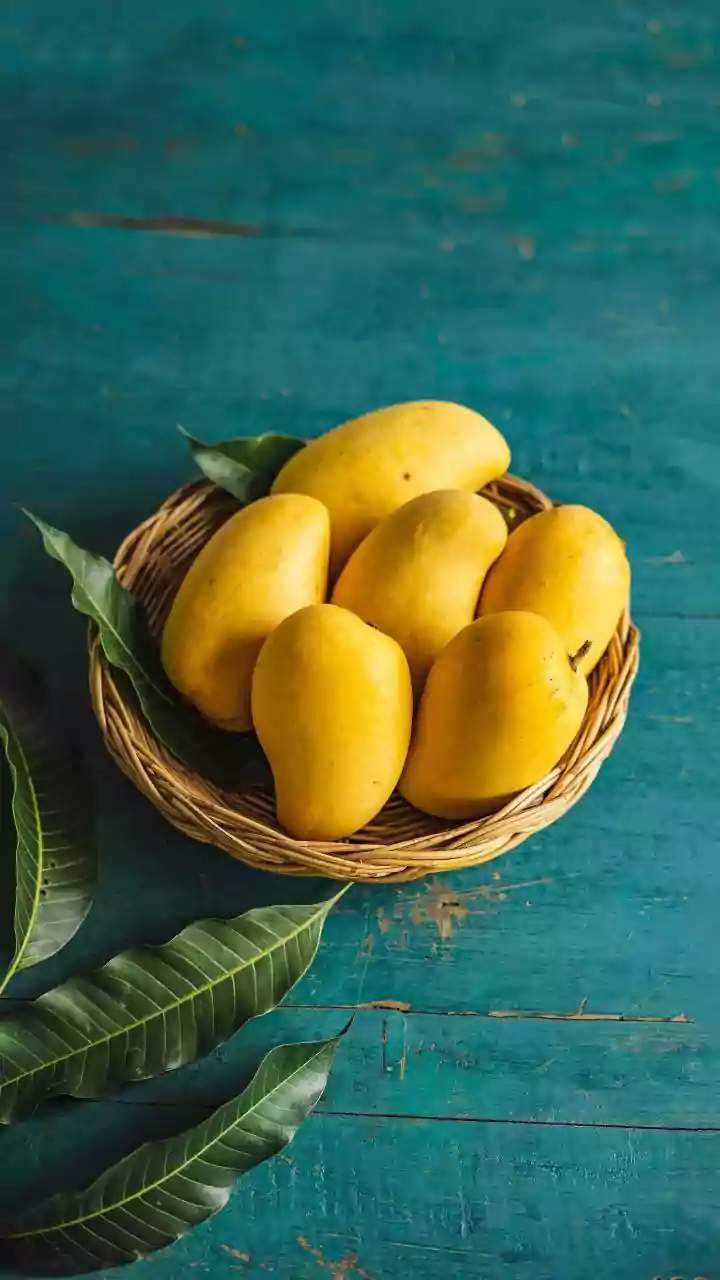
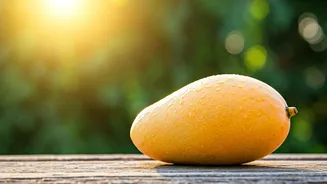
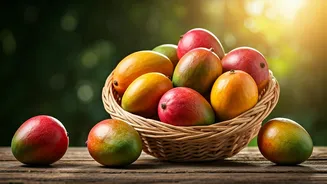
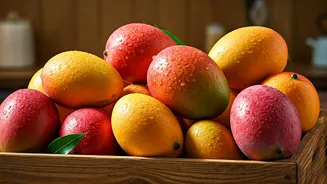
While India is home to over 1,500 varieties of mango, one reigns supreme in the national consciousness: the Alphonso, or 'Hapus' as it's lovingly called in Maharashtra. Grown primarily in the coastal region of western India, the Alphonso is the gold standard. Its skin is a cheerful saffron-yellow, its flesh is a deep, non-fibrous orange, and its flavor is a complex symphony of sweetness, citrus, and honeyed perfume that is unlike any other fruit. The excitement around Alphonsos is so intense that they are often sold by the dozen in carefully padded boxes, treated more like precious jewels than produce. Gifting a box of the season's first Alphonsos to friends or family is a profound gesture of love and respect. While other varieties like the sweet Kesar, the fragrant Langra, or the large Chaunsa have their own loyal followers, the Alphonso holds a special, almost mythical status.
A Ritual of Consumption
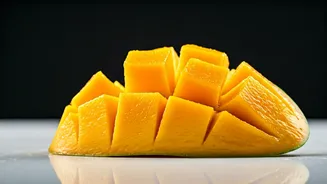
Eating a mango in India is rarely a sterile, polite affair done with a knife and fork. It is a full-sensory experience. The most traditional method involves gently massaging the fruit until the pulp inside liquefies, then nipping off the top and sucking out the sweet juice directly. Others prefer to slice it into a pattern known as the 'hedgehog'—scoring the cheeks into cubes that can be pushed outward and eaten. Beyond eating them fresh, mangoes are a cornerstone of summer cuisine. They are blended into creamy, yogurt-based lassis, churned into kulfi (a traditional ice cream), and cooked into tangy dals. Perhaps most importantly, unripe green mangoes are grated and sun-dried with spices to create 'aam ka achaar,' a fiery, pungent pickle designed to preserve the taste of summer for the entire year. Every family has its own secret recipe, a spicy, savory heirloom passed down through generations.
A Taste of Home, Miles Away
This mango mania isn't confined to India's borders. For the vast Indian diaspora in the United States, the start of summer means one thing: anxiously checking the local Indian grocery store for the first shipment of mangoes from back home. While mangoes from Mexico or Peru are available year-round in American supermarkets, they don’t inspire the same passion. The arrival of Indian mangoes, particularly the coveted Alphonso, is an event. People will drive for hours and pay a premium for a box that tastes like home. It’s a way to reconnect with their heritage and share a piece of their culture with their children. This annual pilgrimage for a box of fruit is a testament to the mango's power—it’s not just food, but a powerful link to identity and memory.