

The Science of 'Crispy'
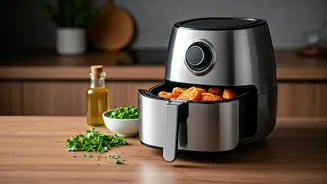
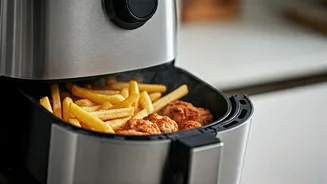
The magic of an air fryer isn’t magic at all; it’s just clever engineering. At its core, an air fryer is a small, powerful convection oven. A heating element generates intense heat, and a high-speed fan circulates that hot air rapidly and evenly around
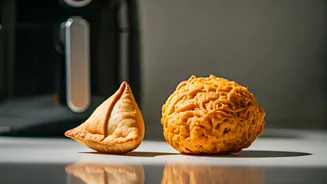
your food, which sits in a perforated basket. This constant barrage of hot air is what creates that coveted crispy, golden-brown exterior. Unlike a conventional oven, where air circulation is more passive, the air fryer’s compact size and powerful fan create a concentrated vortex of heat. This process, known as the Maillard reaction, happens much faster and more intensely. It’s the same chemical reaction that gives seared steak and toasted bread their delicious flavor and color. The result is food that mimics the texture of deep-frying—crunchy on the outside, tender on the inside—without being submerged in a vat of oil.
The 'Quick' Weeknight Miracle
For anyone juggling a busy schedule, the conventional oven’s preheat time can feel like an eternity. This is where the air fryer truly shines. Because of its small chamber, an air fryer can reach its target temperature (often 350-400°F) in just two to three minutes, compared to the 10-15 minutes required for a full-size oven. This speed advantage continues during the cooking process. The concentrated, circulating heat cooks food up to 25% faster than in a traditional oven. Frozen french fries that might take 20-25 minutes in the oven are often perfectly crisp in 12-15 minutes. A chicken breast can be cooked through in under 20 minutes. This efficiency isn't just a time-saver; it's an energy-saver, too. You're heating a much smaller space for a shorter duration, making it a more economical choice for cooking smaller meals, reheating leftovers (it revives soggy pizza like a dream), and getting dinner on the table without the long wait.
A 'Lighter' Take on Favorites
Let’s be clear: an air fryer doesn’t turn potatoes into a superfood. However, it provides a significantly lighter way to cook foods that are traditionally deep-fried. A batch of chicken wings or homemade french fries in a deep fryer requires cups of oil, and the food absorbs a considerable amount of it. In an air fryer, the same foods can be cooked to crispy perfection with as little as a single tablespoon of oil—or sometimes none at all, especially with pre-cooked frozen items. By using hot air to achieve the crunch, you can reduce the fat and calorie content of your favorite indulgent foods by a significant margin. This allows you to enjoy the textures and flavors you love more often, without the heaviness or guilt associated with deep-frying. It’s not about dieting; it’s about making smarter, lighter versions of comfort classics, from onion rings and mozzarella sticks to breaded fish fillets.
Best Practices for the Win
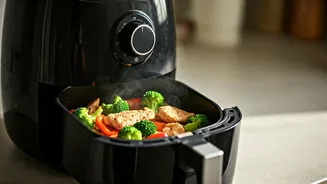
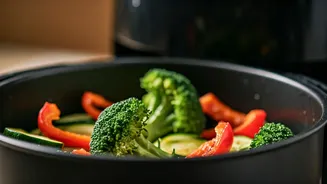
To truly make your air fryer work for you, a few simple rules apply. First, don't overcrowd the basket. The key to crispiness is air circulation, and piling food on top of itself creates steam, leading to soggy results. Cook in batches if you must. Second, a little bit of oil goes a long way. For fresh-cut vegetables or proteins, a light toss in oil helps with browning and flavor. Use a high-smoke-point oil like avocado or canola. Third, remember to shake the basket. Halfway through the cooking time, give the basket a good shake (or flip the items with tongs) to ensure every surface gets exposed to the hot air for even cooking. Finally, think beyond the freezer aisle. Your air fryer is fantastic for roasting vegetables like broccoli and Brussels sprouts, cooking salmon fillets, and even baking small desserts. Experimentation is your best friend.