






The Search for Something Real
At the heart of this shift is a growing hunger for authenticity. Many modern travelers, particularly Millennials and Gen Z, no longer want to feel like they’re observing a destination from behind the glass of a tour bus or the walls of a sprawling resort
compound. Instead, they want to immerse themselves in it. A homestay—whether it's a city apartment, a secluded cabin, or a quirky bungalow—offers a powerful promise: the chance to live like a local, even if just for a weekend. You can shop at the neighborhood market, discover the tiny cafe that isn't in the guidebook, and retreat at the end of the day to a space with personality, not a generic room number. This isn't just travel; it's temporary residency, offering a deeper, more memorable connection to a place.
Breaking Free from the Buffet Line
Resorts are built on a model of consistency and ease. You know exactly what you're getting: a clean room, a pool, on-site dining, and staff to handle every need. There is an undeniable comfort in that predictability. But for a growing number of travelers, that sameness has become a bug, not a feature. The homestay offers the opposite. Instead of a one-size-fits-all restaurant, you get a kitchen to try your hand at cooking with local ingredients. Instead of being surrounded by other tourists, you’re in a real neighborhood. You trade the 24/7 concierge for the host's list of personal recommendations. This gives travelers a sense of agency and discovery that a pre-packaged experience often lacks, turning a simple vacation into a personal adventure.
How the Pandemic Accelerated the Shift
While the trend toward unique stays was already simmering, the COVID-19 pandemic turned up the heat. Suddenly, the contained, private nature of a vacation rental became a massive asset. Travelers sought to minimize contact with crowds, and having a self-contained house or apartment with its own entrance was the perfect solution. Furthermore, the explosion of remote work decoupled millions of Americans from their physical offices. This created a new class of traveler who could blend work and leisure, taking longer trips where a hotel room would feel cramped and impersonal. A homestay with a dedicated workspace, a full kitchen, and a comfortable living area became the ideal base for this new “work-from-anywhere” lifestyle.
More Than Just a Spare Room
The term “homestay” has evolved far beyond its early days of crashing on a stranger’s couch. The market is now incredibly diverse, catering to every budget and taste. On one end, platforms like Airbnb and Vrbo offer millions of listings, from budget-friendly rooms to lavish private villas. On the other, curated collections like Sonder and onefinestay offer professionally managed, design-forward apartments that combine the space and character of a rental with the quality control of a boutique hotel. This maturation of the market means travelers can find a unique stay without sacrificing standards of cleanliness, safety, and reliability. The risk has decreased, while the reward—a one-of-a-kind travel experience—remains high.
Choosing Your Own Adventure
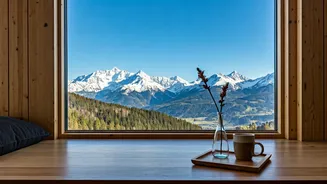
This isn't to say the resort is dead; for family reunions, weddings, or travelers who prioritize ultimate relaxation and convenience, it will always have a place. But its dominance is being challenged. The rise of the homestay reflects a fundamental change in our travel values. We are moving from a model of passive consumption to one of active participation. The best homestays aren't just a place to sleep; they are a key part of the story. They can be the rustic cabin that forces you to unplug, the sleek urban loft that makes you feel like a character in a movie, or the charming cottage that becomes a beloved memory. The choice is no longer just about location, but about the kind of experience you want to create.