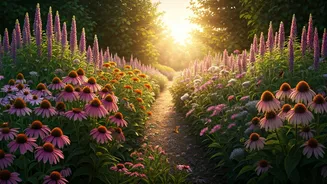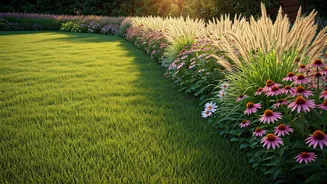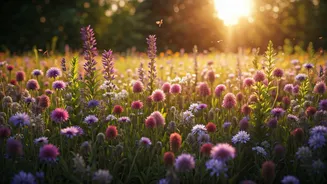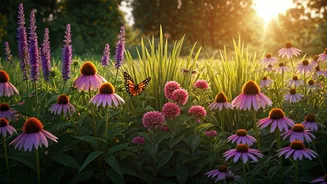






From Green Deserts to Living Ecosystems
For decades, the peak of suburban aspiration was a pristine, weed-free lawn. It required a constant regimen of watering, mowing, fertilizing, and chemical treatments. But a shift is underway. Nature-friendly gardening, also known as ecological gardening or rewilding,
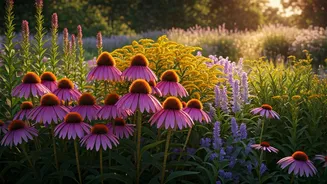
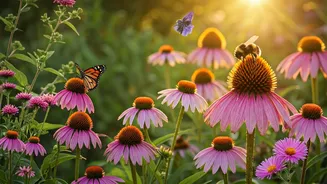
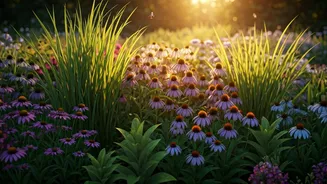
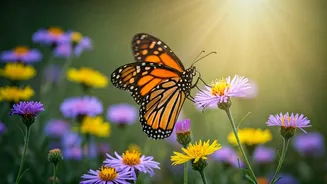
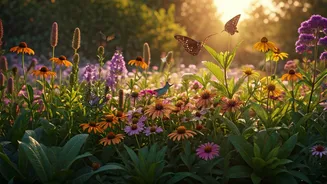
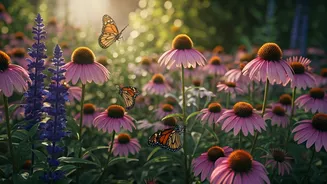
reframes the backyard not as a decoration but as a functional ecosystem. Instead of fighting nature with leaf blowers and pesticides, the goal is to work with it. This means prioritizing native plants that evolved to thrive in a specific region, providing food and shelter for local wildlife, and creating a self-sustaining environment that supports everything from microbes in the soil to birds nesting in the trees. The result is less a static landscape and more a dynamic habitat buzzing with life.
The 'Why' Behind the Wilding
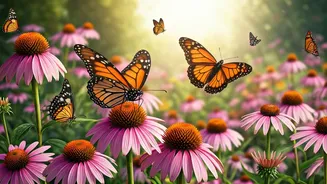
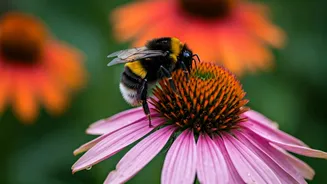
This isn't just a fleeting aesthetic choice; it’s a response to pressing environmental concerns. Reports on declining insect and bird populations have made many homeowners question the ecological cost of their perfect lawn. A turfgrass monoculture offers virtually nothing for pollinators like bees and butterflies, which are critical for our food systems. Furthermore, the intensive water use required to keep lawns green in an era of increasing drought, combined with the chemical runoff from fertilizers and pesticides that pollutes waterways, has prompted a search for better alternatives. The pandemic also played a role, as millions of Americans spent more time at home and developed a deeper appreciation for the natural world in their immediate surroundings. The desire for a yard that gives back—to the environment and to our own well-being—is a powerful motivator fueling this trend.
Principles of a Nature-Positive Yard
Getting started is less about having a 'green thumb' and more about adopting a new mindset. The first principle is embracing native plants. Unlike exotic ornamentals, natives are adapted to the local climate and soil, requiring less water and no fertilizer once established. They are also the foundational food source for local insects, which in turn feed birds and other animals. Organizations like the National Wildlife Federation and the Audubon Society offer online tools to help you find plants native to your specific zip code. Another key is to create layers—trees for canopy, shrubs for shelter, and perennials for ground-level food and cover. It’s also important to provide a water source, even a simple bird bath, and to resist the urge to be too tidy. Leaving leaf litter on garden beds in the fall provides a crucial overwintering habitat for countless beneficial insects, including butterfly pupae and queen bumblebees.
Benefits Beyond the Bees
While supporting pollinators is a major draw, the rewards of a nature-friendly garden extend much further. Homeowners often find they spend less time on yard work—less mowing, less watering, less fertilizing—and more time simply observing the life that appears. The varied textures and seasonal changes of a native garden offer year-round visual interest that a static lawn cannot match. These gardens also act as mini-conservation zones, creating vital corridors for wildlife to move between larger fragmented habitats. They improve soil health, absorb stormwater more effectively than compacted turf, and sequester more carbon. For the gardener, it fosters a profound sense of connection and purpose, turning a chore into a rewarding act of ecological restoration.