






1. Personalized Nutrition Goes Mainstream
Remember when 'healthy eating' meant choosing between a sad salad or a bland chicken breast? Today, smarter food habits are all about hyper-personalization. Instead of one-size-fits-all diets, a new wave of apps and services are acting as pocket nutritionists.
By analyzing your health goals, dietary restrictions, activity levels, and even biometric data from a smartwatch, they generate customized meal plans and grocery lists. This isn't just about calorie counting; it's about optimizing for specific outcomes, whether that's better athletic performance, managing a food sensitivity, or simply boosting your energy levels. The 'smart' part is the continuous feedback loop, where the app learns from what you eat and how you feel, constantly refining its recommendations.
2. Fighting Food Waste, One Meal at a Time
One of the smartest shifts in our food consciousness is the growing war on waste. An estimated 30-40% of the food supply in the U.S. is wasted, a staggering figure with huge environmental and economic costs. Technology is providing a clever solution. Apps like Too Good To Go and Food for All connect consumers with restaurants, bakeries, and grocery stores that have surplus food at the end of the day. For a discounted price, you can pick up a 'surprise bag' of perfectly good food that would have otherwise been thrown out. It's a win-win-win: businesses recoup some cost, consumers get affordable meals, and less food ends up in landfills. This isn’t just about saving money; it’s a tangible way for people to participate in a more sustainable food system.
3. The X-Ray Vision Grocery Cart
The grocery aisle can be a confusing gauntlet of competing claims and confusing labels. But what if you had X-ray vision to see what’s really inside that box? That’s essentially what a new generation of food-scanning apps provides. Using your phone’s camera, you can scan a product’s barcode and get an instant, easy-to-understand breakdown of its contents. Apps like Yuka or Fooducate rate products based on nutritional quality, the presence of controversial additives, and even their environmental impact. Suddenly, you're not just a passive consumer; you're an informed decision-maker, able to quickly see if a product aligns with your health goals or ethical values. It’s a powerful shift from trusting front-of-pack marketing to verifying the facts for yourself.
4. AI as Your Personal Travel Agent
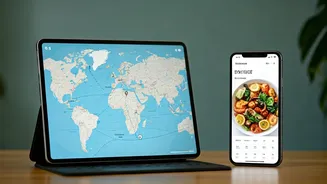
Planning a trip used to involve hours of painstaking research spread across dozens of browser tabs. Today, artificial intelligence is doing the heavy lifting in seconds. AI-powered travel planners are emerging as the ultimate 'smart' tool for building bespoke itineraries. You can give a simple prompt like, 'Plan a 5-day family-friendly trip to San Diego with a mix of beach time, museums, and great taco spots,' and the AI will generate a detailed day-by-day schedule complete with activity suggestions, restaurant recommendations, and logistical notes. It can factor in travel times between locations, opening hours, and budget constraints. This frees you from the tedious parts of planning and lets you focus on the fun part: looking forward to the trip.
5. Finding a Better Kind of Lost
Being a 'smarter' traveler isn't just about efficiency; it's about intentionality. The same technology that can pack your schedule can also help you find more authentic, sustainable, and meaningful experiences. Instead of just pointing you to the most famous tourist traps, modern travel platforms and apps are getting better at surfacing hidden gems. They use data to recommend locally-owned businesses, eco-friendly tours, and off-the-beaten-path neighborhoods that align with your stated interests. This tech-enabled 'slow travel' movement helps you connect more deeply with a destination, support the local economy, and minimize your environmental footprint. It’s the smart way to get lost on purpose, discovering the soul of a place rather than just its highlights.