



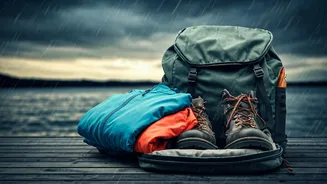
1. Rethink Your Raincoat
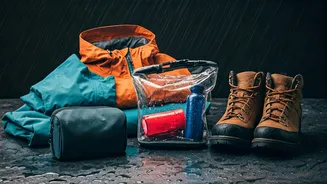
A high-end waterproof jacket seems like a no-brainer, but in the sweltering humidity of a tropical monsoon, it can be your worst enemy. Most waterproof shells don't breathe well enough, trapping sweat and leaving you feeling just as damp on the inside
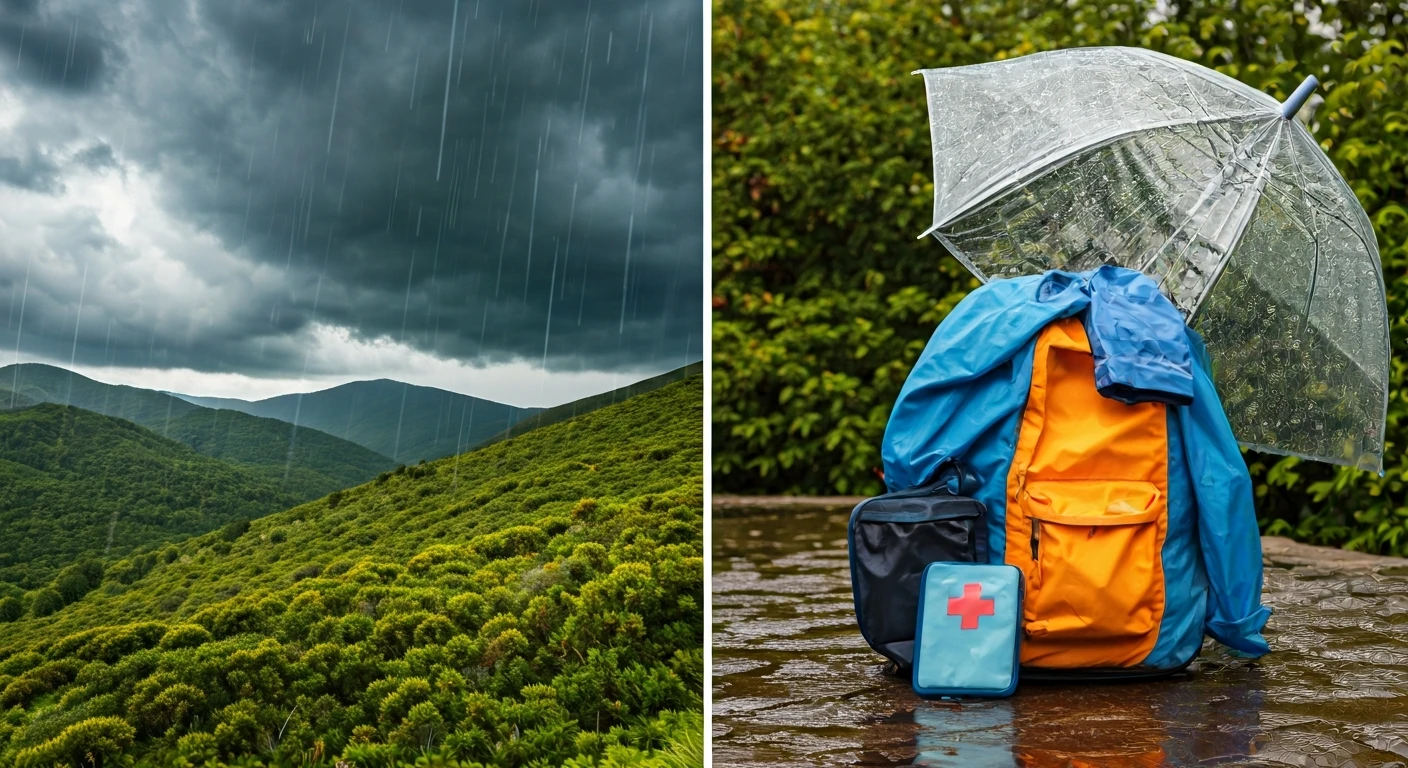
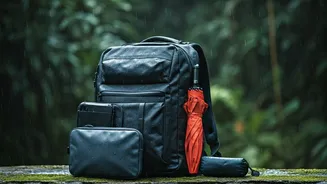
as you would on the outside. Instead, consider a high-quality, lightweight, reusable poncho. It offers superior ventilation, covers both you and a small backpack, and can be shaken dry in seconds. For shorter dashes through downpours, a sturdy travel umbrella is often more comfortable and practical.
2. Master the Art of the Dry Bag
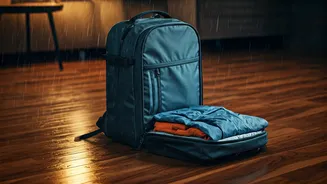
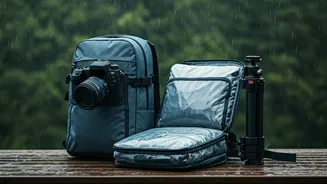
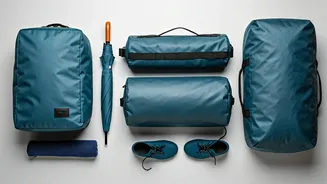
This is non-negotiable. A dry bag—a flexible, waterproof sack with a roll-top closure—is your primary defense for electronics, passports, and money. Don't just rely on your backpack's “rain cover,” which can fail in a true deluge. Pack a small 5-liter dry bag to toss inside your daypack. It creates a foolproof barrier against sudden downpours or accidental splashes during boat rides. For photographers, this is especially critical. Keep your camera inside the dry bag when not in use; it protects against moisture not just from rain, but from the oppressive humidity that can damage sensitive electronics over time.
3. Choose Footwear for a Flood
Your favorite leather sandals or canvas sneakers will be destroyed. They absorb water, take forever to dry, and become a breeding ground for mold and unpleasant smells. Your best bet is waterproof, open-toed footwear with good grip. Think high-quality rubber flip-flops, Crocs, or specialized sport sandals with adjustable straps. They don’t absorb water, can be rinsed clean easily, and allow your feet to dry quickly. For moments when you need closed-toe shoes, pack a pair of lightweight, all-synthetic mesh sneakers that drain water and dry overnight.
4. Pack for Humidity, Not Just Rain
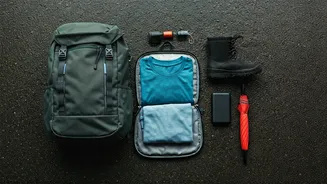
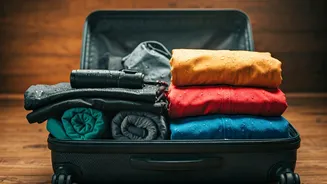
In a monsoon climate, nothing ever feels completely dry. Cotton is a terrible choice; it absorbs moisture, becomes heavy, and takes days to dry. Pack clothes made of quick-drying synthetic fabrics like nylon, polyester, or merino wool blends. They wick moisture away from your skin, are less prone to mildew, and can be washed in a hotel sink and be dry by morning. Pro tip: Toss a few silica gel packets (the kind you find in new shoe boxes) into your luggage and electronics bags. They are brilliant at absorbing ambient moisture and preventing mildew.
5. Go All-In on Zip-Top Bags
Bring a variety of sizes of high-quality zip-top plastic bags. They weigh nothing and have a million uses. Use large ones to compartmentalize clean and dirty (or damp) laundry in your suitcase. Use medium ones to protect your phone inside your pocket during a short walk in the rain. Use small ones to organize chargers and prevent toiletries from leaking all over your bag. They are the ultimate low-tech, high-impact packing hack for wet environments. They’re also great for keeping snacks from getting soggy from the humidity.
6. Build a Monsoon-Specific First-Aid Kit
Your standard first-aid kit needs a few upgrades for the tropics. Constant moisture can lead to skin issues you might not anticipate. Include an anti-fungal powder or cream for your feet to prevent athlete’s foot. Pack extra insect repellent with DEET, as mosquito populations explode during the monsoon. Waterproof bandages are a must, as regular ones will peel off in minutes. Finally, add some rehydration salts or electrolyte tablets to your kit; it’s easy to get dehydrated when you’re sweating constantly in the humidity.