


The Land Where Legends Live
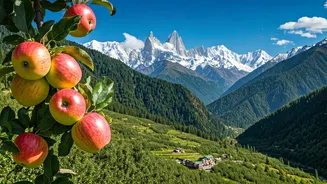
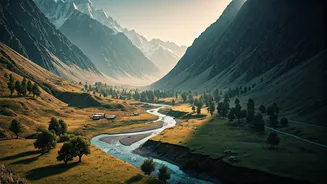
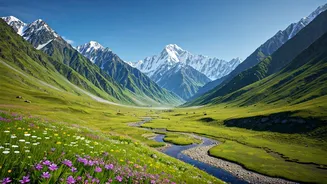
Deep in the northern Indian state of Uttarakhand, where the peaks of the Garhwal Himalayas scrape the sky, lies the Tons Valley. This isn't the well-trodden circuit of yoga retreats and bustling pilgrimage towns that often define the region. This is something
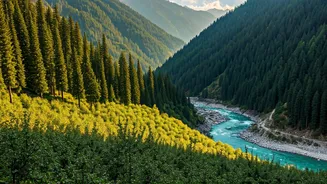
else entirely—a rugged, pristine landscape carved by the Tons River, one of the largest tributaries of the Yamuna. For generations, its isolation was its identity. Villages are dotted with intricately carved wooden temples, some centuries old, dedicated to deities from the epic Mahabharata. In fact, local folklore holds that the people here are direct descendants of the epic’s central characters, creating a living link to an ancient past that feels worlds away from modern India.
Anatomy of a 'Moment'
So why is a place defined by its seclusion suddenly on the radar? The shift is part of a larger global trend. Post-pandemic, travelers are increasingly trading crowded hotspots for wide-open spaces and authentic connection. The algorithm, too, plays a part. A single, stunning Instagram post of a deodar forest or a traditional Garhwali home can launch a thousand travel plans. Adventurers, both domestic and international, are seeking out the valley's challenging trekking routes, like the one to the sacred Har Ki Dun (the “Valley of Gods”). They come for the promise of the “path less traveled,” drawn by the allure of a place that hasn’t yet been polished smooth by mass tourism. The rise of responsible tourism operators and community-run homestays has also made the valley more accessible, offering visitors a bed and a meal in a local home rather than a generic hotel.
More Than Just a Pretty Picture
The pull of the Tons Valley goes beyond its staggering mountain views. It’s a bastion of a unique culture. Many villages here have preserved traditions that have faded elsewhere, including, famously, a history of polyandry (a woman having multiple husbands, often brothers), a practice rooted in land preservation and social structure. While this is changing with modernization, it speaks to the valley’s distinct social fabric. The architecture is another draw. Homes and temples are built in the Kath-Kuni style—a stack-wood and stone construction designed to withstand earthquakes, with no cement or mortar. Visiting here is less like a vacation and more like stepping into a living museum, where every trail and village tells a story.
The Promise and Peril of Popularity
This newfound attention is a double-edged sword. For the local communities, it brings a vital economic lifeline. Young people who might once have left for cities can now find work as guides, porters, or homestay hosts, preserving their way of life by sharing it. But this “moment” also brings immense risk. Unregulated construction, plastic waste, and the strain on fragile ecosystems are looming threats. The very quietness that makes the valley so magical is delicate. The challenge, then, is to manage this moment before it breaks what it came for. Local conservationists and community leaders are working to champion a model of tourism that is slow, sustainable, and respectful—one that ensures the economic benefits flow to the community without sacrificing the soul of the place.