

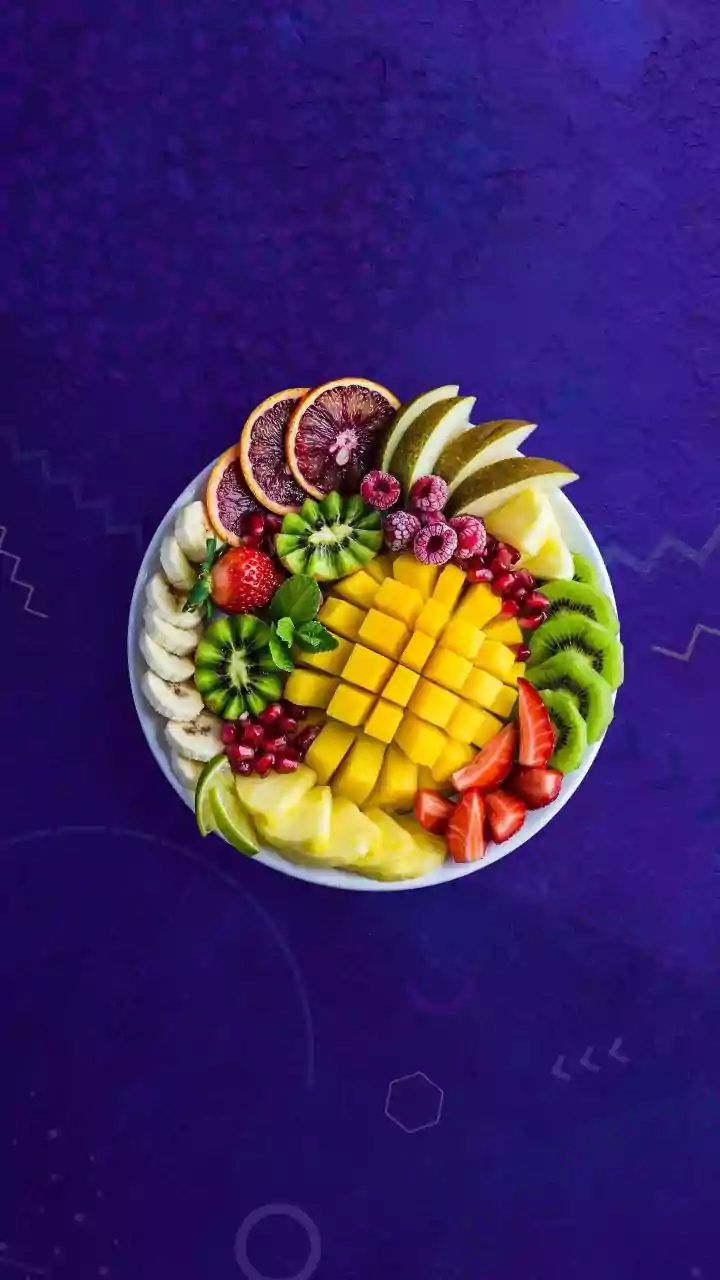


What is the ‘Clean Fruit Flex’?
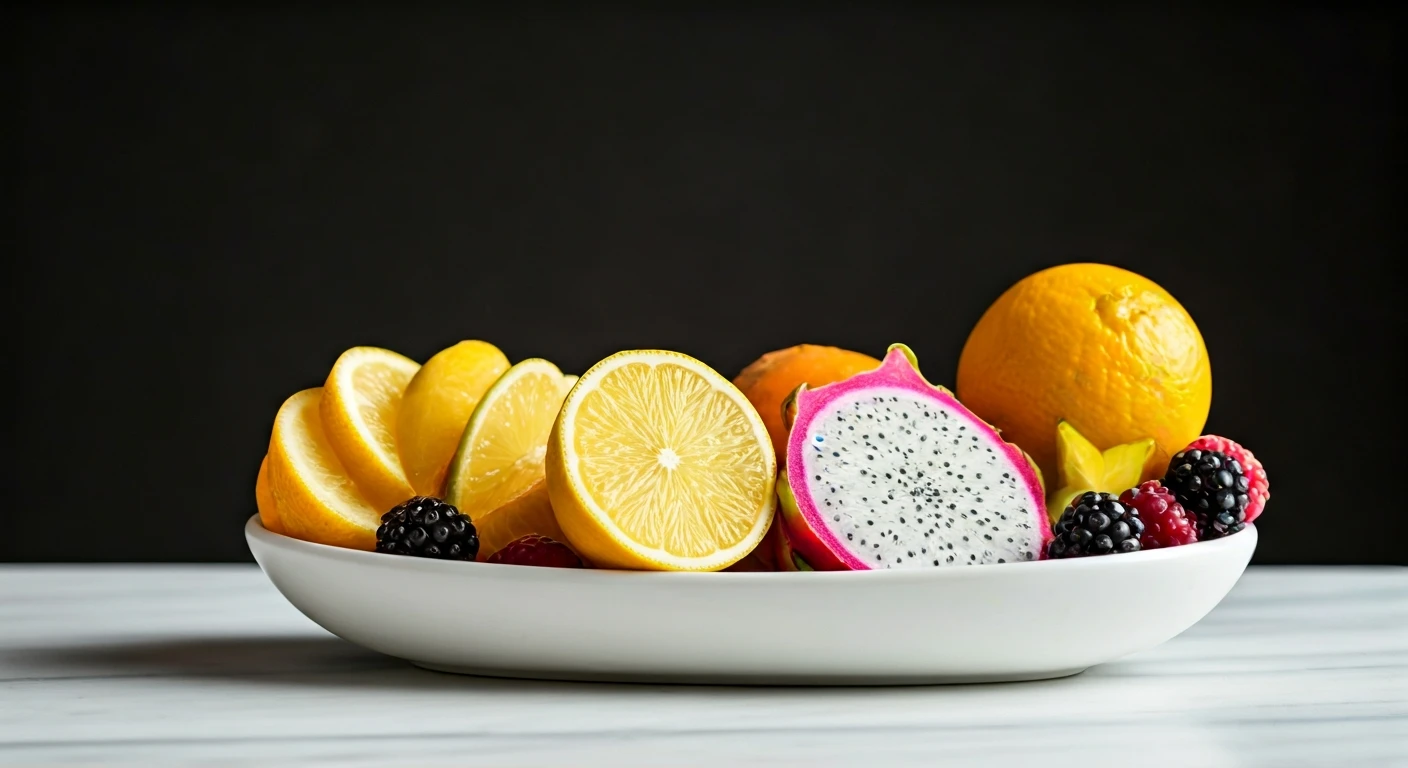
Scroll through TikTok or Instagram, and you’ll see it: mesmerizing videos of someone meticulously washing a bounty of fresh berries, grapes, and citrus. They aren't just rinsing them under the tap. This is a ritual. Fruits are soaked in water (sometimes
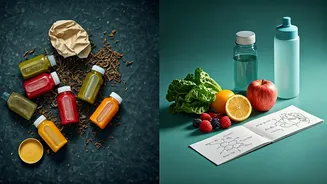
with a dash of vinegar or a special produce wash), gently scrubbed, patted dry with care, and then arranged in pristine, often glass, containers. The final shot is always the 'flex': a refrigerator shelf transformed into a vibrant, edible rainbow, ready for easy, healthy snacking. It’s part ASMR, part home organization porn, and part visual proof that you have your life together. The 'clean fruit' habit isn't just about eating fruit; it's about the performance of preparing it.
From Healthy Habit to Status Symbol
For decades, public health advice has been simple: eat more fruits and vegetables. But what we’re seeing now is the aestheticization of that advice. The trend elevates a mundane chore—washing produce—into a deliberate act of self-care and domestic perfection. In a world saturated with complex and often inaccessible wellness trends (think cryotherapy chambers and personalized IV drips), the fruit flex is deceptively simple. Yet, it signals dedication, time, and an investment in one’s health that feels both aspirational and oddly achievable. Having a fridge full of prepped, ready-to-eat fruit says you’re not just *intending* to be healthy; you are actively, beautifully succeeding at it.
The Psychology of the Fruit Ritual
The appeal of this trend runs deeper than just a pretty picture. For many, the process itself is a form of mindfulness. In a chaotic world, the simple, repetitive task of washing and chopping can be a calming anchor. It’s an act of control and order, turning a small corner of your life from chaos to pristine organization. This ritual also cleverly removes the biggest barrier to healthy snacking: effort. When a handful of clean grapes or a container of sliced melon is just as easy to grab as a bag of chips, you’re more likely to make the healthier choice. It’s a form of 'choice architecture' applied to your own kitchen, where you become your own best influence. The satisfying clicks of container lids and the visual harmony of the finished product provide a dopamine hit that reinforces the positive behavior.
A Healthier Form of Aspiration?
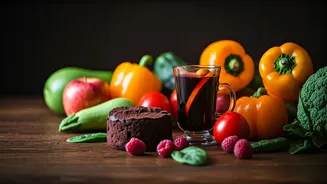
While it's easy to be cynical about any trend that involves performing for a virtual audience, the clean fruit habit might be one of the more benign 'flexes' to emerge from wellness culture. Unlike extreme diets or dangerous fads, its core outcome is that people are buying, preparing, and eating more fruit. Food safety experts have long recommended washing produce to remove dirt, germs, and pesticide residues, so the practice itself is grounded in sound advice. While specialty fruit washes are often just expensive versions of a simple vinegar-and-water solution, the increased focus on cleaning produce is an undeniable positive. If the motivation to do so comes from wanting to create a beautiful fridge worthy of social media, is that really so bad? Perhaps it's a sign that aspirational wellness is shifting from extreme and exclusive acts to simple, foundational habits.