
Candy Your Citrus Peels
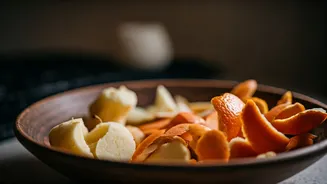
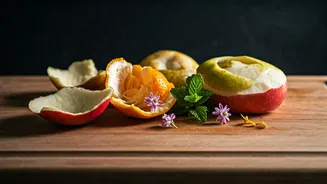
Let’s start with the classic. That fragrant orange, lemon, or grapefruit peel you were about to toss is culinary gold. Candied citrus peel is a game-changer for bakers and cocktail enthusiasts. The process is simple: simmer the peels in water to remove
bitterness, then gently cook them in a sugar syrup until they become tender and translucent. Once dried and tossed in sugar, you have jeweled morsels of intense citrus flavor. They can be dipped in chocolate, chopped into scone or cookie dough, or used as an elegant garnish for a Negroni or an Old Fashioned. It’s a project that makes your kitchen smell incredible and results in a pantry staple that screams “I know what I’m doing.”
Go Bananas for Savory Peels
This is where you separate the curious from the truly committed. Yes, you can eat banana peels. And when prepared correctly, they’re shockingly delicious. Rich in fiber, potassium, and antioxidants, the peels have a sturdy texture that holds up well to cooking. The most popular move is to turn them into a plant-based version of pulled pork or bacon. Scrape out the white pith, shred the peel with a fork, and marinate it in a smoky, savory blend of soy sauce, maple syrup, liquid smoke, and paprika. Sauté until crispy, and you have a convincing dupe that will blow your brunch guests’ minds. It’s the kind of unexpected twist that makes a meal memorable.
Reinvent the Watermelon Rind
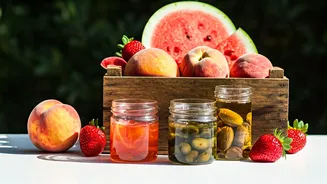
Come summer, every picnic and barbecue generates mountains of watermelon rinds. Most people see a compost problem; the savvy cook sees a pickling opportunity. Pickled watermelon rind is a beloved Southern delicacy for a reason. The rind, stripped of its tough green outer skin, has a firm, cucumber-like texture that absorbs flavor beautifully. Simmered in a brine of vinegar, sugar, and spices like cinnamon, cloves, and star anise, it transforms into a sweet, tangy, and wonderfully spiced condiment. It’s the perfect accompaniment to rich, savory dishes like fried chicken or pulled pork, cutting through the fat with a bright, acidic crunch. Bringing a jar of homemade pickled rind to a potluck is a next-level flex.
Make Apple Scraps Your Secret Weapon
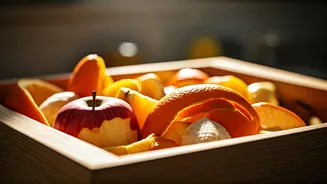
When you’re baking an apple pie or making applesauce, you’re left with a pile of peels and cores. Don’t you dare throw them out. These scraps are packed with pectin and flavor, making them the perfect base for homemade apple scrap jelly or vinegar. For jelly, simply cover the scraps with water, simmer until the flavor is extracted, strain the liquid, and cook it down with sugar. For vinegar, submerge the scraps in a sugar-water solution and let natural fermentation do its work over a few weeks. The resulting raw, live-culture vinegar is far superior to anything you’d buy at the store and costs practically nothing to make.
A Quick Word on Preparation
Before you dive into your new zero-waste journey, a bit of prep is key. The outside of a fruit is its first line of defense, which means it’s also where pesticides and wax residue accumulate. Whenever you plan to eat the peel, it’s best to opt for organic fruit. Regardless, always give your fruit a thorough wash and scrub under running water before you peel it. For citrus, a quick blanch in boiling water helps remove any waxy coating and softens the peel, making it more palatable. This small step ensures your final product is not only delicious but also as clean as possible.