


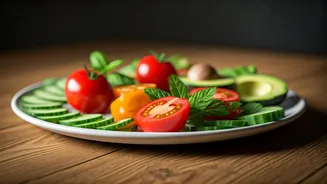
The Ultimate No-Cook Hero
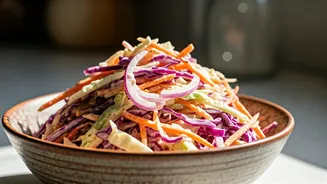
During a heatwave, the kitchen becomes a no-go zone. The appeal of slaw is beautifully simple: it requires zero heat. It’s an assembly job, not a cooking one. This makes it the undisputed champion of sweltering summer days when the mere idea of preheating
an oven feels like a personal attack. But the benefits go beyond avoiding sweat. Most slaw bases, like cabbage, carrots, and cucumbers, are packed with water, offering a delicious way to stay hydrated. They’re light enough that they won’t weigh you down, but the fiber and crunch provide a satisfying fullness that a simple salad sometimes lacks. It’s the perfect intersection of refreshing, filling, and blissfully, gloriously cook-free.
Embrace the Power of Crunch
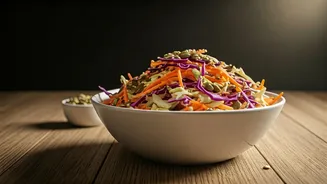
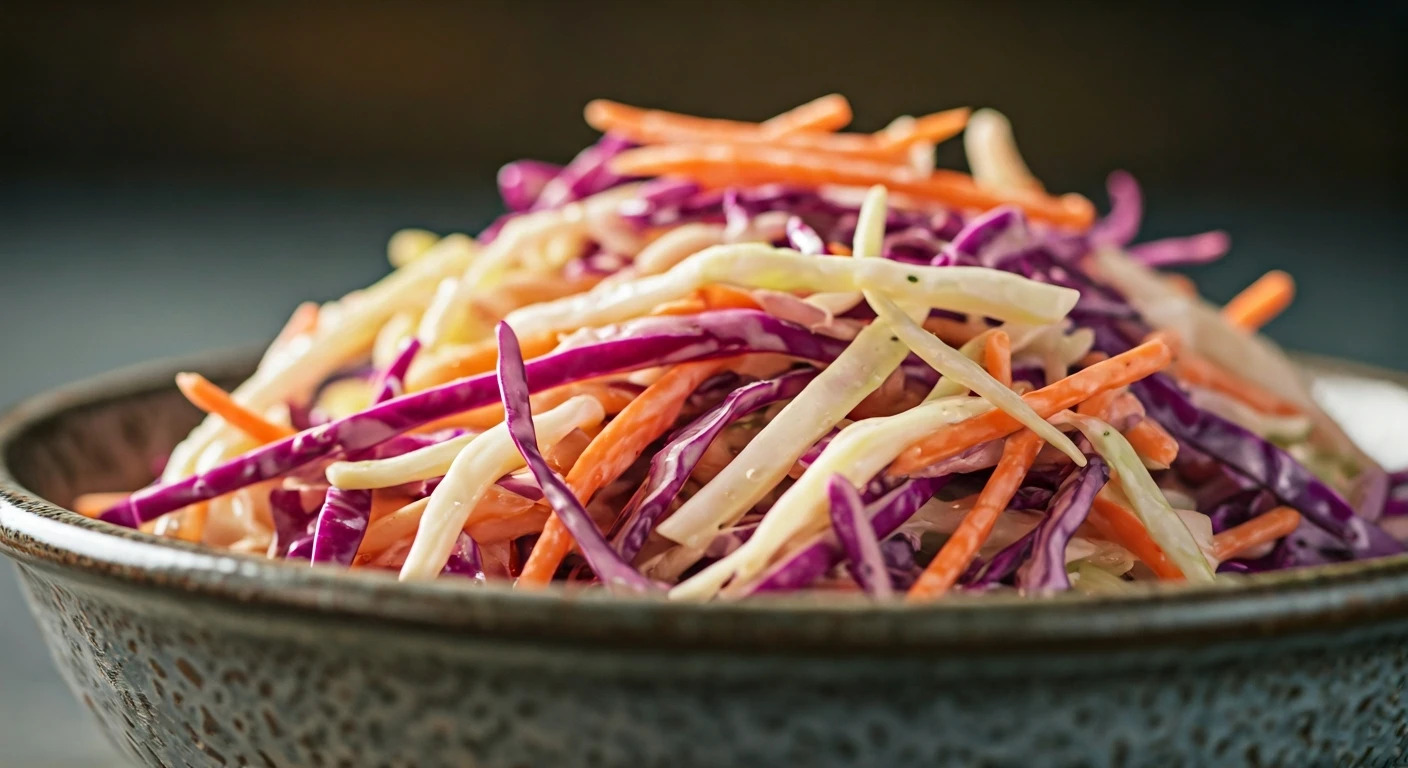
The defining characteristic of a great slaw is its texture. That audible crunch isn’t just satisfying; it’s a sensory antidote to the sluggish feeling that heat can induce. While shredded green or red cabbage is the classic foundation, the world of cruciferous vegetables offers a superior crunch that holds up for days. Think about using a mandoline or food processor to shred broccoli stems (don't throw them out!), kohlrabi, or firm Brussels sprouts. For a different kind of crispness, try julienned jicama, which has a texture like a savory apple, or thinly sliced fennel for a hint of anise. The key is to salt your shredded base and let it sit for about 20-30 minutes. This draws out excess water, ensuring your slaw stays crunchy and doesn’t become a watery mess, even after dressing.
Ditch the Gloopy Mayo
The creamy, mayonnaise-drenched coleslaw of family picnics has its place, but it’s not the ideal choice for blistering heat. Heavy dairy-based dressings can feel cloying and separate unpleasantly in the sun. The modern heatwave slaw is all about bright, acidic vinaigrettes. A vinegar-based dressing is not only more refreshing on the palate, but it’s also more stable at room temperature, making it a safer bet for backyard barbecues. The formula is simple: three parts oil to one part acid. Use a neutral oil like grapeseed or avocado, and experiment with acids like apple cider vinegar, rice vinegar, or fresh lime juice. From there, the possibilities are endless. Add a touch of honey or maple syrup for sweetness, Dijon mustard for emulsion, and your favorite seasonings.
Go Global with Flavor
Once you have your crunchy base and your vinaigrette formula, you can take your slaw in any direction. Stop thinking of it as an American side dish and start seeing it as a global template. For an Asian-inspired slaw, use rice vinegar, a splash of soy sauce, sesame oil, and freshly grated ginger in your dressing. Toss with shredded cabbage, carrots, and edamame, and top with toasted sesame seeds and cilantro. For a Mexican vibe, go with a lime juice vinaigrette, adding a finely chopped jalapeño for heat. Combine it with shredded cabbage, jicama, and black beans, then finish with cotija cheese and plenty of fresh cilantro. Or try a Mediterranean take with a red wine vinegar and olive oil dressing, tossed with shaved fennel, red onion, and a generous amount of fresh dill and parsley.
Turn Your Slaw into a Meal
Perhaps the greatest slaw hack of all is its ability to transform from a simple side into a complete, balanced meal. The crunchy, vegetable-heavy base is the perfect canvas for protein, turning a light dish into something that will actually keep you full until your next meal. The options are as easy as the slaw itself. For a quick protein boost, fold in a can of drained chickpeas or black beans. Use leftover rotisserie chicken, shredded with two forks. Top your slaw with a handful of grilled shrimp, some pan-seared tofu, or a scoop of canned tuna. Adding a handful of nuts like toasted almonds or peanuts not only adds more protein but also doubles down on the all-important crunch factor. Suddenly, your simple bowl of slaw is a nutritionally complete, deeply satisfying dinner that didn’t require you to touch the stove.