





Why This Pruning Window Matters
Pruning in late winter or early spring, just before the major growth spurt, is like giving your plants a perfect start to the year. This practice, often called dormant pruning, accomplishes several key goals. First, it removes any dead, damaged, or diseased
wood that accumulated over winter, preventing potential pest and disease problems. Second, it helps shape the plant, managing its size and preventing it from becoming a tangled mess. Most importantly, for these specific plants, it stimulates the growth of new wood. Since many varieties of roses, jasmine, and bougainvillea produce flowers on this new growth, a good trim is a direct investment in a more prolific blooming season. You’re not just cutting back; you’re directing the plant’s energy toward producing a stunning floral display.
Gather Your Essential Tools
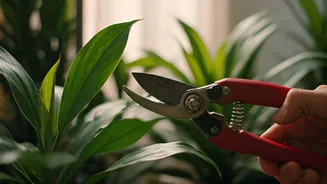
You don’t need a shed full of equipment, but the right tools make the job cleaner and healthier for your plants. Your primary weapon will be a pair of sharp bypass pruners, which make clean cuts without crushing stems. For thicker branches (over half an inch), a pair of loppers provides the necessary leverage. Always wear a sturdy pair of gardening gloves, especially for thorny plants like roses and bougainvillea. Before you start, and as you move between plants, it's crucial to clean your blades with a solution of household disinfectant or rubbing alcohol. This simple step prevents the spread of disease from one plant to another, ensuring your entire garden stays healthy.
Taming the Jasmine Vine
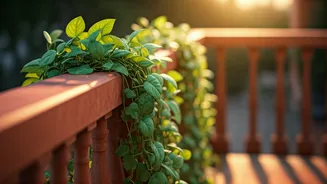
For the common, summer-flowering vining jasmines (like Jasminum officinale), the goal is to control their enthusiastic growth and encourage blooms. Start by removing any dead, weak, or tangled stems. Then, trim back the side shoots from the main framework, leaving just a few buds on each. This encourages the plant to produce new, flower-bearing shoots. Don't be afraid to cut back last year's growth by up to a third to maintain a manageable size and shape. If your vine has become a woody, overgrown tangle, you can perform a harder renovation pruning, cutting a few of the oldest main stems back to near the base to stimulate fresh new growth from the ground up.
Mastering the Art of the Rose
Pruning roses can feel intimidating, but the rules are straightforward. For modern bush roses like hybrid teas and floribundas, wait until the last hard frost has passed. Begin by cutting out all dead, damaged, or spindly canes—anything that looks weak or is thinner than a pencil. Your goal is to create an open, vase-like shape with 3-5 strong, healthy canes. This improves air circulation and reduces fungal diseases. Cut these main canes back by about one-third to one-half of their height, making each cut at a 45-degree angle about a quarter-inch above an outward-facing bud. This directs new growth away from the center of the plant, contributing to that open, healthy structure.
Encouraging Bougainvillea Blooms
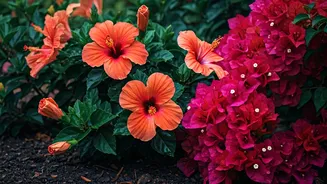
Bougainvillea is a tropical beauty that flowers on new growth, so a good trim is key to a vibrant show. The best time to prune is after its winter dormancy and any danger of frost has passed. Bougainvillea can handle a hard pruning. You can trim back its long, arching branches by at least one-third to encourage a flush of new growth and a more compact, fuller shape. Pay attention to the 'bracts,' the colorful leaf-like structures that provide the plant's signature look; the actual flowers are tiny and white. Pinching or trimming the soft tips of new stems throughout the growing season can also encourage more branching and, consequently, more color. Be mindful of its sharp thorns and wear thick gloves for protection.