

From TV Dinner to 'Grocerant' Chic
The biggest shift in the convenience meal space is the war on mediocrity. For decades, a frozen or refrigerated meal was a compromise—a sacrifice of flavor and quality for the sake of speed. That trade-off is rapidly disappearing. By 2026, expect the line
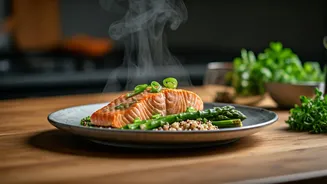
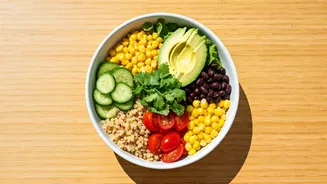
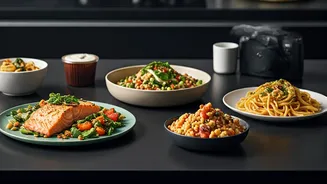
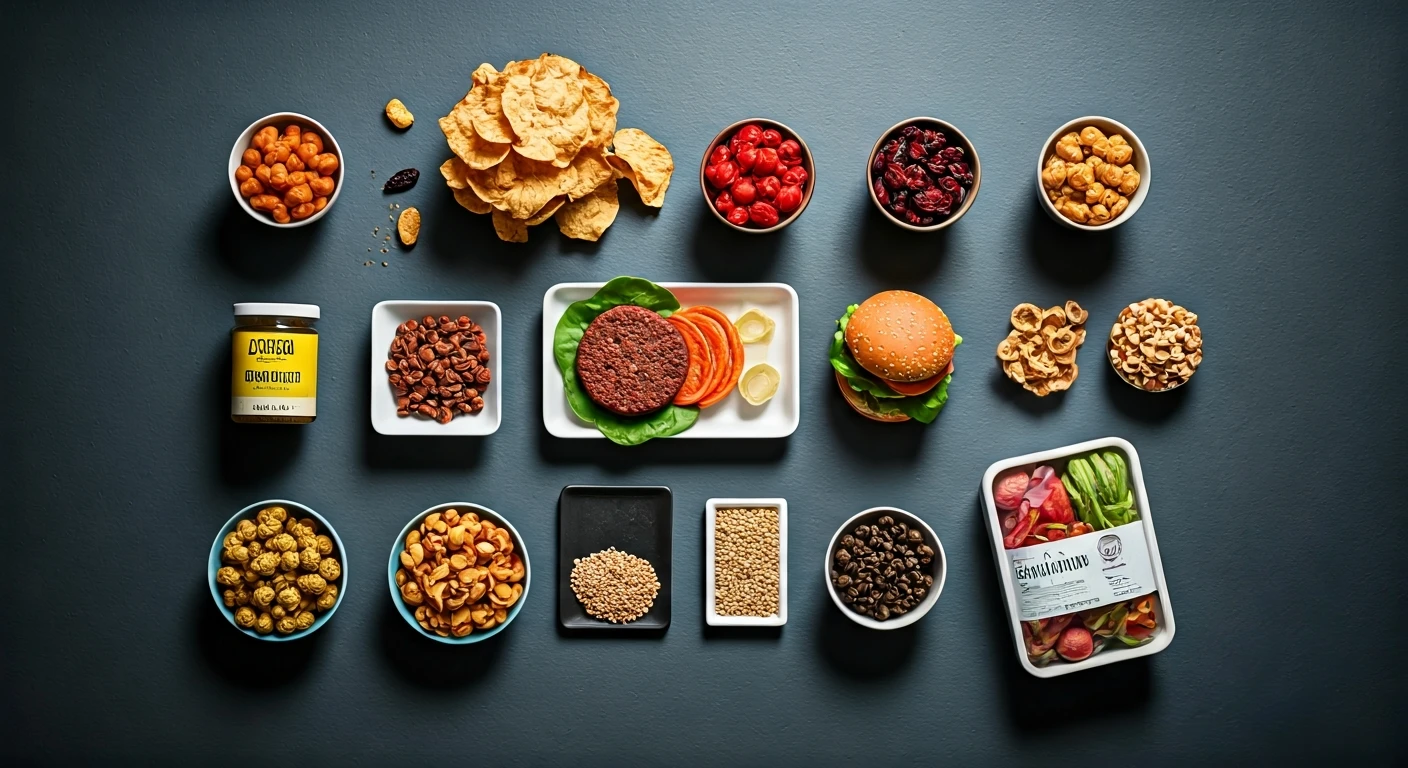
between restaurant takeout and grocery store convenience to blur almost completely. This trend, often dubbed the rise of the 'grocerant' (grocery + restaurant), is driven by our unwillingness to accept bland, uninspired food just because we’re busy. Food companies are responding by investing in premium ingredients, chef-developed recipes, and sophisticated cooking techniques. Think slow-braised short ribs in a vacuum-sealed pack that taste like they came from a gastropub, or a vibrant grain bowl with perfectly roasted vegetables that doesn’t turn to mush in the microwave. This isn't just about better-tasting lasagna; it's a fundamental re-imagining of what a pre-packaged meal can be.
Healthy Is the New Convenient
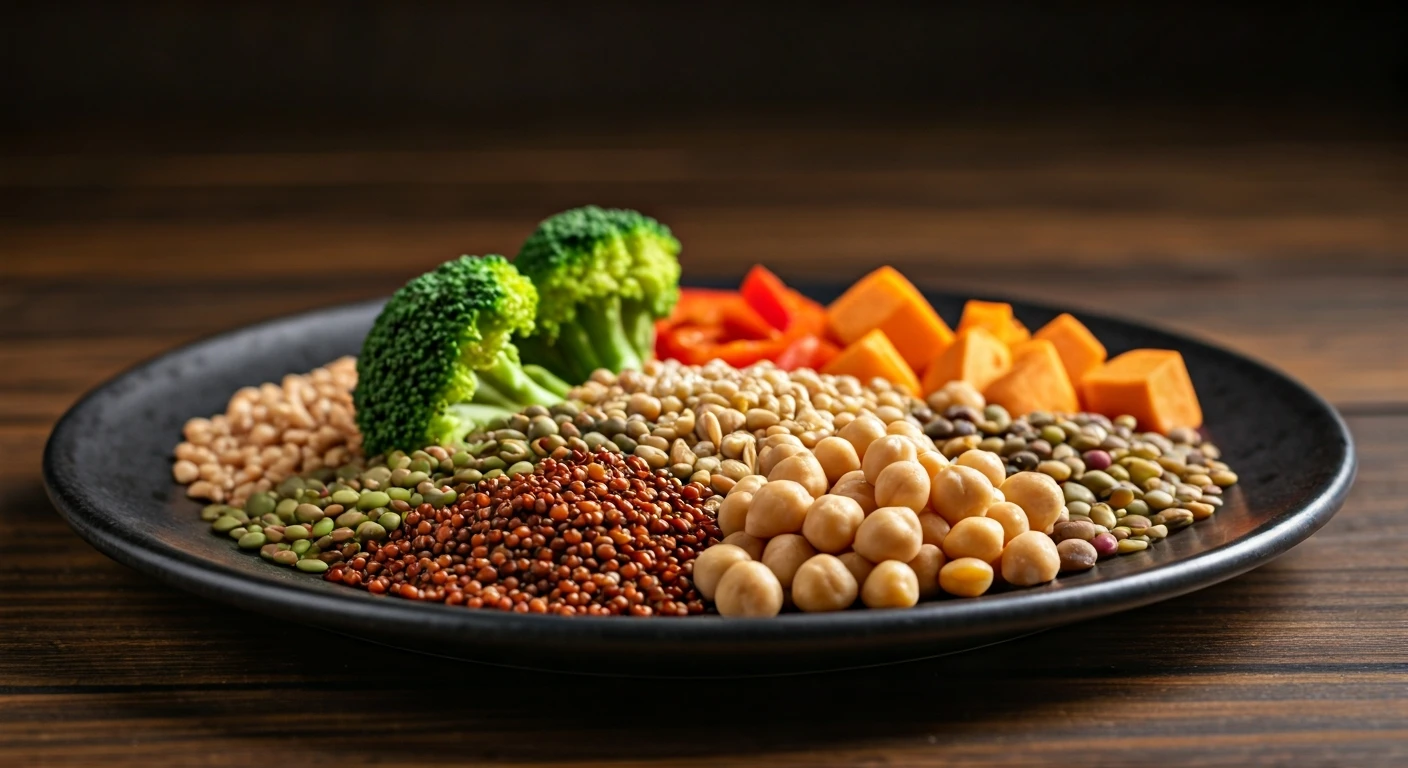
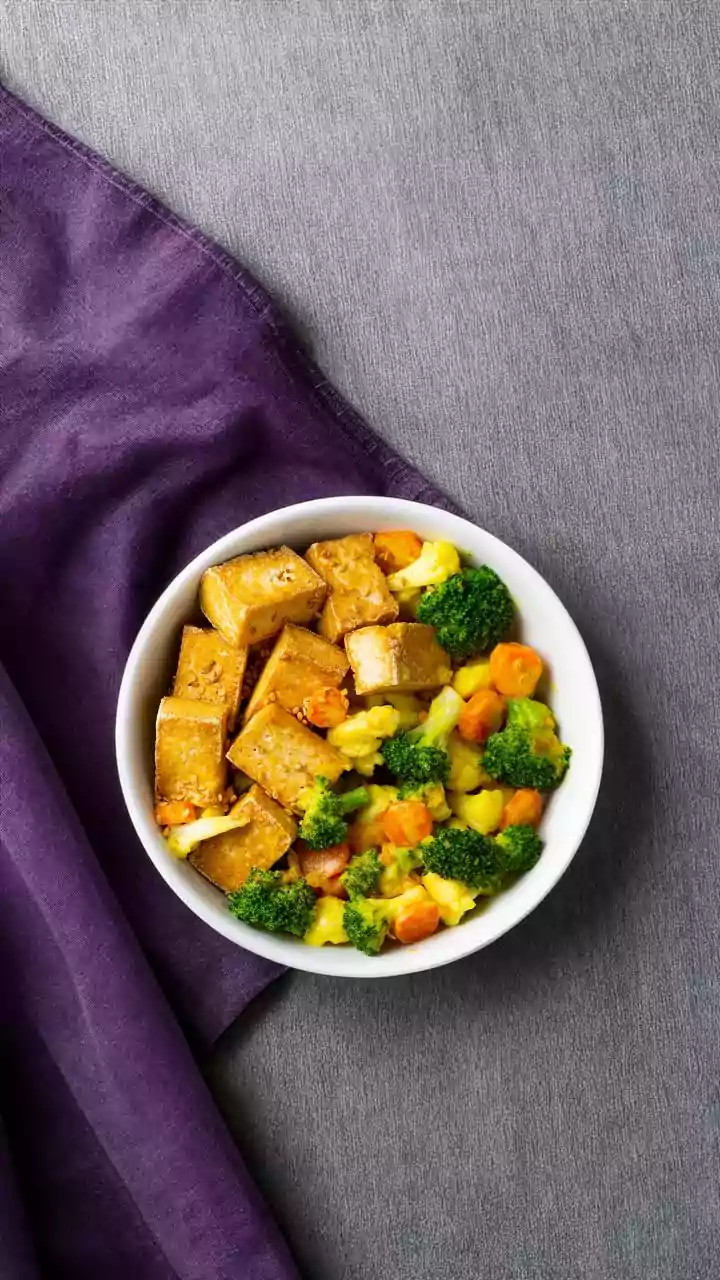
For years, 'healthy' and 'ready-to-eat' were practically antonyms. Most options were loaded with sodium, preservatives, and unpronounceable ingredients to ensure a long shelf life. But as consumers become more health-literate, the demand for clean labels and functional benefits has exploded. By 2026, this won't be a niche market—it will be the standard. Brands are already racing to reformulate their products to be lower in sodium, free from artificial additives, and packed with genuine nutritional value. You'll see a surge in meals designed for specific dietary lifestyles, moving far beyond simple 'low-calorie' tags. Expect prominent call-outs for high-protein, ketogenic, plant-based, and gluten-free options that don't just remove the 'bad' stuff but actively add 'good' stuff, like fiber, probiotics, and essential nutrients. The new goal isn’t just to make a meal that’s fast; it’s to make a meal that actively contributes to your well-being, no cooking required.
Global Flavors, Local Aisles
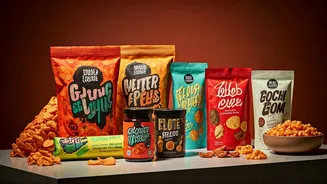
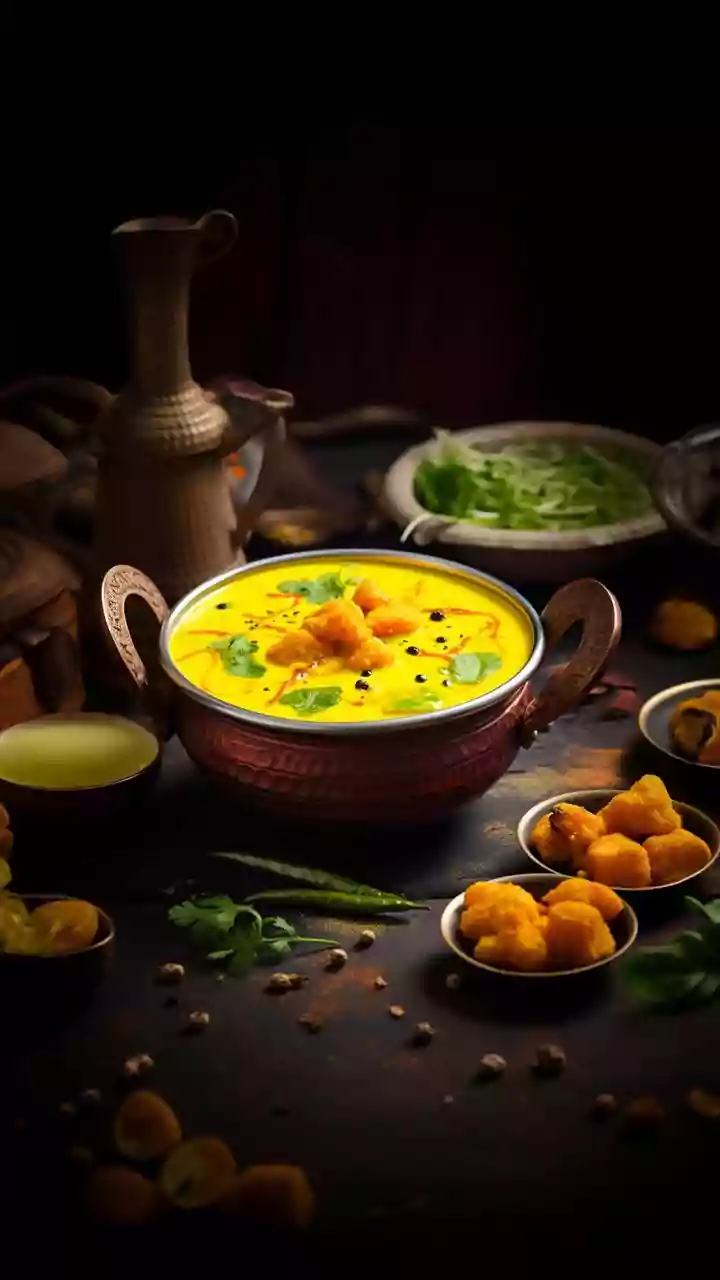
The American palate has become incredibly adventurous, thanks to a generation raised on food blogs, travel shows, and diverse local restaurants. The ready-to-eat aisle is finally catching up. While Italian and Mexican-inspired dishes will always have their place, the real growth is in specificity and authenticity. Instead of a generic 'Asian-style chicken,' you'll find regional specialties like a spicy Korean Gochujang bowl, a fragrant Thai green curry, or a savory Japanese Katsu. The same goes for Latin American and African cuisines, with brands introducing consumers to vibrant flavors from Peru, Ethiopia, and Morocco. This shift is powered by data that shows younger consumers, particularly Millennials and Gen Z, crave novelty and are eager to explore global cultures through food. By 2026, your grocery store's refrigerated section will look more like an international food hall, offering a quick and easy passport to culinary exploration on a busy Tuesday night.
Smarter Food, Smarter Packaging
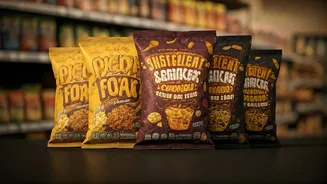
The innovation isn't just happening inside the package; it's the package itself. The flimsy plastic tray with the peel-back film is getting a much-needed upgrade. Sustainability is a major driver here, with a push toward recyclable, compostable, or reduced-plastic containers. But function is just as important. Expect to see more compartmentalized packaging that keeps ingredients separate and fresh until the moment of heating, preventing the dreaded one-note mushiness. Self-venting steam bags and oven-safe paperboard are becoming more common, allowing for better, more even cooking. On the tech front, QR codes that link to ingredient sourcing information or offer drink pairing suggestions will become standard. The entire experience, from purchase to disposal, is being re-engineered to be more convenient, more environmentally friendly, and ultimately, to deliver a better final product on your plate.