





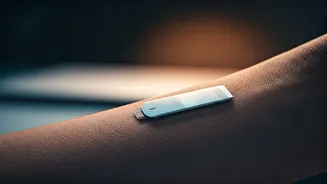


Data Without the Distraction
The core appeal of a wellness ring isn’t about what it does, but what it *doesn’t* do. It doesn’t buzz with every email. It doesn’t display your boss’s Slack message during dinner. It doesn’t interrupt your workout to show you a news alert. Smart rings,
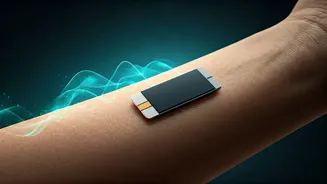
led by pioneers like Oura and a growing field of competitors like Ultrahuman and RingConn, are built on a philosophy of ‘passive tracking.’ They are sophisticated sensor-pods disguised as jewelry, designed to collect a wealth of data—sleep stages, heart rate variability, body temperature, activity levels—and sync it quietly to an app on your phone. You get all the insights without any of the interruptions. This intentional friction—forcing you to open an app to see your data—turns out to be the device's greatest strength. It frees you from the tyranny of the constant notification, allowing you to be present while still keeping tabs on your body’s performance.
The Anti-Smartwatch Statement
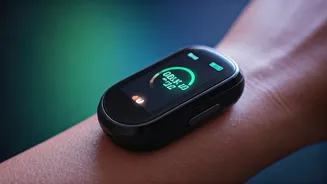
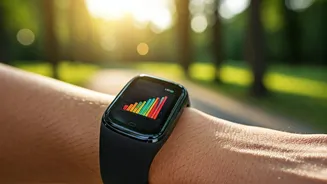
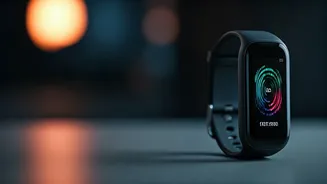
Choosing a ring over a watch is becoming a subtle but powerful statement about a person’s relationship with technology. While a smartwatch screams “I’m connected,” a smart ring whispers “I’m in tune.” It’s a deliberate move toward digital minimalism. For a growing number of consumers feeling burnt out by screen fatigue, the smartwatch has become a smaller, more persistent version of the phone they’re trying to escape. Its value proposition is convenience, but that convenience comes at the cost of your attention. The smart ring flips the script. It suggests that the most advanced technology is invisible, seamlessly integrated into your life rather than demanding to be the center of it. It’s for the person who wants the data but not the device, the metrics but not the screen.
Where Style Meets Substance
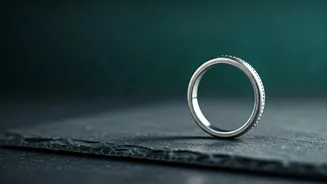
Let’s be honest: for many, a bulky smartwatch clashes with a nice suit or an evening dress. Tech wearables have long struggled with the fashion gap. Rings close that gap almost completely. Crafted from materials like lightweight titanium and offered in finishes that mimic traditional jewelry (silver, gold, black), they are designed to be worn 24/7 without looking out of place. This aesthetic advantage is critical. It expands the potential market beyond tech-savvy early adopters to include anyone interested in health who has been put off by the tech-first look of other wearables. A device that can track your sleep all night and still look good at a wedding the next day has a universal appeal that screen-based gadgets can’t easily match. It’s not just a health tracker; it’s an accessory you actually want to wear.
The Race for Your Finger
The 2026 projection in the headline isn't just hype; it reflects a market that’s rapidly heating up. Oura, the Finnish company that has dominated the space for years, now faces a wave of new challengers. But the real earthquake may come from the industry giants. Rumors have been swirling for years about both Apple and Samsung developing their own smart rings. If and when these behemoths enter the market, it will transform the ring from a niche product into a mainstream category overnight. The introduction of a Samsung Galaxy Ring or an Apple Ring would validate the form factor, spark a massive marketing war, and accelerate innovation at an incredible pace. This looming battle is what positions the smart ring to become the defining health accessory of the near future, moving from a cult favorite to a household staple.