



The Rebellion Against the Overflowing Suitcase
For decades, the vacation-bound suitcase was a symbol of optimistic excess. You’d pack the sequin top in case of a fancy dinner, the extra pair of heels just because, and three jackets for wildly different potential weather scenarios. The result? A heavy
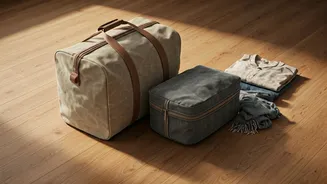
bag, a messy hotel room, and a closet’s worth of unworn clothes. Gen Z, a generation that came of age with baggage fees and a constant stream of digital content, is systematically rejecting this chaos. They’re approaching travel not as an excuse to pack everything, but as a challenge in expert curation. The overstuffed, 50-pound roller bag is increasingly seen as clunky and out of touch. The new status symbol is the sleek, lightweight carry-on that holds a perfectly edited collection of pieces that all work together. It’s a quiet rebellion against the clutter and waste of the 'more is more' mindset.
The Capsule Wardrobe Goes Viral
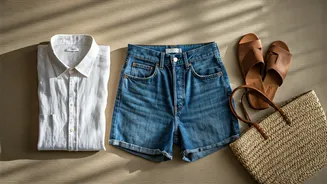
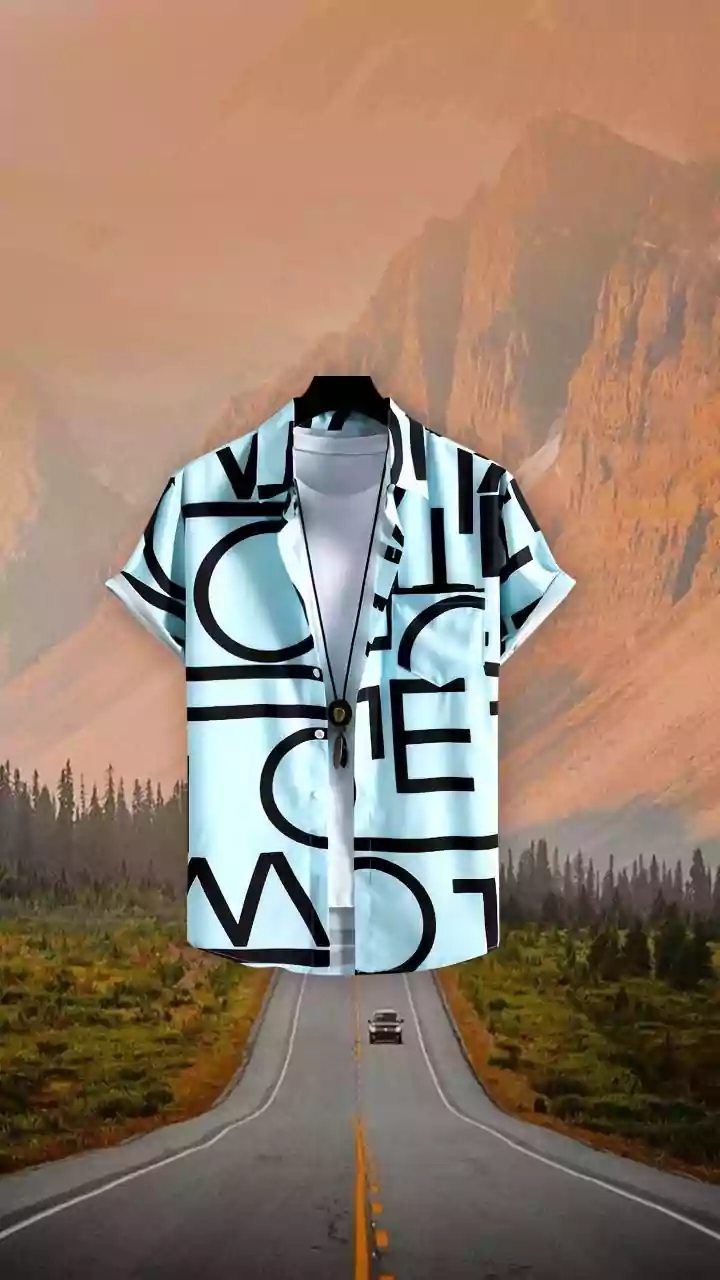
The concept of a 'capsule wardrobe'—a small collection of essential, timeless items that can be mixed and matched—isn't new. But Gen Z has taken this practical concept and turned it into an aesthetic movement. On platforms like TikTok and Instagram, hashtags like #capsulewardrobe and #7days7outfits showcase the art of creating a multitude of stylish looks from a handful of garments. This isn't your mother’s capsule of a simple trench and black trousers. It’s been updated with a specific uniform in mind: the perfect oversized blazer, the high-quality ribbed tank, the relaxed-fit straight-leg jeans, the crisp button-down shirt worn open, and versatile sneakers. The goal is an effortless, 'model-off-duty' look that feels both put-together and completely nonchalant. It’s practicality repackaged as a viral aesthetic, optimized for a travel photo dump that looks cohesive and chic.
Driven by Values, Not Just Vibes
This shift toward travel minimalism isn't just about looking good in photos. It’s deeply rooted in the core values shaping Gen Z’s consumer behavior. First, there's the economic reality. In a world of inflation and financial uncertainty, investing in a few high-quality, versatile pieces makes more financial sense than buying a haul of cheap, disposable fast fashion for every trip. Secondly, sustainability is a major factor. This generation is acutely aware of fashion's environmental footprint. Building a minimalist travel wardrobe is a conscious act of resistance against the buy-and-toss cycle, favoring longevity and repeated wear. Finally, it’s about reducing decision fatigue. When every top goes with every bottom, getting dressed on vacation becomes simple, freeing up mental energy for actually enjoying the destination. This trifecta of economic sense, ethical consideration, and mental clarity makes the minimalist suitcase a powerful statement.
The Anatomy of a Gen Z Suitcase
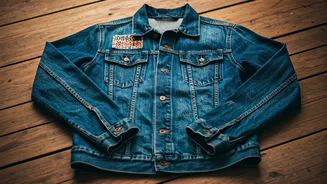
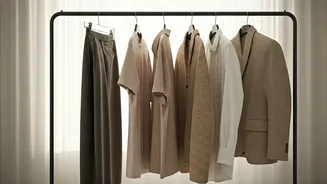
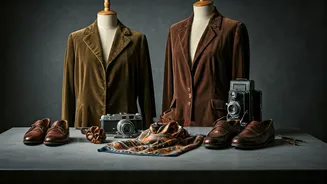
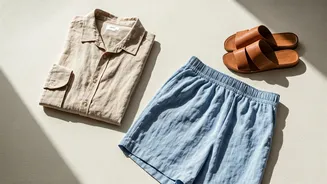
So, what exactly is inside this modern, minimalist suitcase? Think in terms of a neutral color palette—beiges, blacks, whites, creams, and grays—that allows for maximum interchangeability. The key pieces are workhorses. A single oversized blazer can be thrown over a dress for dinner, paired with jeans for a day of exploring, or worn with matching trousers for a sophisticated monochrome look. A set of matching knitwear (like a tank and cardigan) offers multiple outfit combinations. A simple slip dress can be dressed up with a small heel or down with sneakers and a denim jacket. The fabrics are key; they look and feel luxurious, drape well, and are often wrinkle-resistant. The entire wardrobe is built on the principle that any three items pulled from the suitcase should, in theory, create a plausible and stylish outfit. It’s a puzzle where every piece fits.