

The Inactivity-to-Intake Ratio
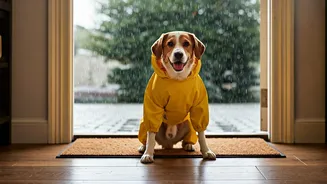
The core issue isn't the rain itself, but what the rain prevents: movement. For most dogs and even some adventurous cats, rainy weather means shorter walks, cancelled trips to the dog park, and more time spent snoozing on the couch. This drastic drop
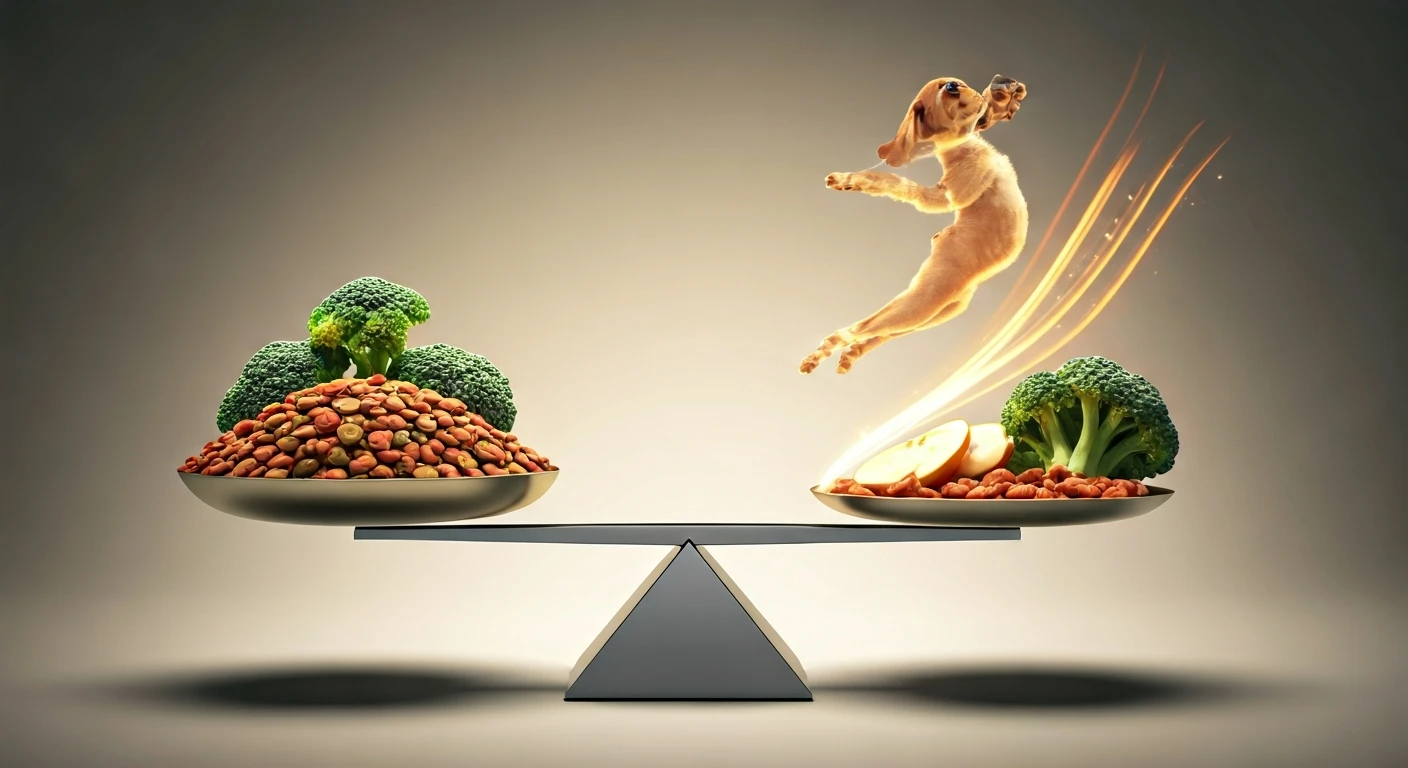
in physical activity directly lowers their daily calorie requirement. Think of it in simple terms: energy in versus energy out. When a pet continues to eat the same amount of food while burning significantly fewer calories, the surplus energy is stored as fat. Over a prolonged rainy season, this subtle imbalance can lead to noticeable weight gain, which is a gateway to more serious health issues like joint pain, diabetes, and heart problems.
Beware the Boredom Snacking
A pet who is suddenly indoors more isn't just less active; they're also more likely to be bored. A bored pet often looks for something to do, and one of the easiest activities is eating or, more accurately, convincing you to feed them. That extra-plaintive stare from across the room as you eat your lunch might not be a sign of true hunger. It’s often a plea for interaction and mental stimulation. Many well-meaning owners misinterpret this behavior as hunger and offer extra treats or snacks. This creates a dangerous cycle of rewarding boredom with food, which compounds the problem of reduced caloric need and can quickly pack on the pounds.
How to Adjust Their Diet Sensibly
So, how do you adapt? The solution isn't to drastically slash your pet's food intake, which could leave them feeling hungry and deprived of essential nutrients. Instead, focus on precision and small adjustments. First, ensure you are using a measuring cup to serve their meals, rather than just eyeballing the amount. This prevents accidental overfeeding. If the period of inactivity is expected to last for more than a few days, consider reducing their portion size by a small margin—around 10% is a common recommendation, but this can vary. You can also swap out high-calorie training treats for healthier, low-calorie alternatives like baby carrots or green beans (for dogs) or specialized low-cal treats. The goal is a gentle recalibration, not a crash diet.
Enrichment: The Ultimate Rainy-Day Solution
The best way to combat rainy-day weight gain isn't just about managing food—it's about replacing the lost physical activity and mental stimulation. Turn your home into an indoor playground. Invest in puzzle feeders or treat-dispensing toys that make your pet work for their food. This slows down their eating and engages their brain. A 15-minute indoor training session practicing old tricks or learning new ones can burn mental and physical energy. Games like 'find it,' where you hide treats around a room, or a gentle game of indoor fetch (if space allows) are excellent ways to keep your pet engaged and moving. For cats, a laser pointer session or a new feather wand can provide the necessary stimulation to keep them from becoming lethargic.