








More Than Just Fabric: The Handloom Difference
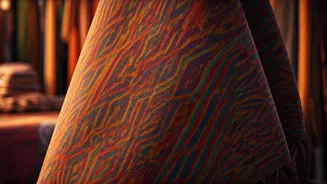
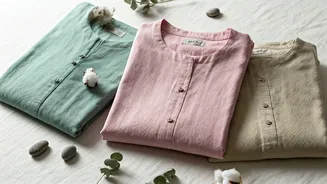
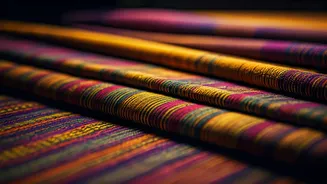
In an age of fast fashion and machine-made uniformity, the term 'handloom' feels like a portal to another time. And in many ways, it is. Handloom refers to any cloth woven on a loom powered by human hands and feet, without the use of electricity. This
ancient craft produces textiles with a character and soul that industrial machines simply cannot replicate. Each yard of fabric contains subtle variations—a slightly thicker thread here, a minor shift in the weave there—that are not imperfections, but signatures of the artisan who created it. This human touch gives the fabric a unique drape, texture, and resilience. Supporting handloom is about more than just buying a beautiful scarf or tablecloth; it’s an investment in artistry, a vote for sustainable production methods, and a lifeline for communities that have passed these skills down through generations.
Decoding the Spirit: 'Vocal for Local' in America
The phrase 'Vocal for Local' originates from a movement in India encouraging consumers to support domestic artisans and businesses. While the specific term may be unfamiliar, its spirit resonates deeply with American trends like 'shop small,' 'support makers,' and 'buy local.' When applied to the global crafts that find their way to U.S. markets, it becomes about championing the 'local' artisan, even if they're from a village halfway around the world. These fairs—often timed around cultural seasons like the monsoon in South Asia, which symbolizes renewal and creativity—are curated events that bring the maker's story directly to the consumer. They cut out the middleman, ensuring that a larger portion of the price you pay goes directly into the hands of the weaver and their family, fostering economic independence and preserving a rich cultural heritage.
A Field Guide to Handloom Treasures
Walking into a handloom fair can be a dazzling, almost overwhelming experience. To help you navigate, here are a few iconic weaves to look for. Keep an eye out for Ikat (or Pochampally), a complex technique where threads are tie-dyed before being woven, creating beautifully blurred, geometric patterns. You might also spot Chanderi, a feather-light blend of silk and cotton from Madhya Pradesh, known for its sheer texture and delicate gold motifs. From the holy city of Varanasi comes Banarasi silk, a heavy, opulent fabric renowned for its intricate brocades of silver and gold zari, often used for bridal wear. And then there's Khadi, the humble, hand-spun and hand-woven cotton that became a symbol of India's independence movement. Each has a distinct feel, history, and aesthetic, making the process of discovery as rewarding as the purchase itself.
Where to Find These Weaves in the U.S.
You don't need a plane ticket to India to experience this magic. Across the United States, cultural centers, community organizations, and independent curators host handloom fairs, trunk shows, and pop-up markets, especially in cities with vibrant South Asian communities like New York, Chicago, Houston, and the San Francisco Bay Area. Look for events timed with cultural festivals like Diwali (in the fall) or Holi (in the spring). Artisan co-ops and fair-trade organizations frequently organize traveling markets. Following ethically-minded fashion bloggers and brands on social media can also alert you to upcoming events. And if a fair isn't coming to your town, many of these same organizations and even individual artisan groups now have online stores that ship directly to the U.S., allowing you to support the 'Vocal for Local' movement from anywhere.