
The City's Electric Pulse
Guwahati, the gateway to the state of Assam, doesn't just welcome you; it envelops you. The streets are a kinetic blend of honking auto-rickshaws, modern storefronts, and vendors calling out their wares. This isn't the tranquil, tea-garden Assam you might
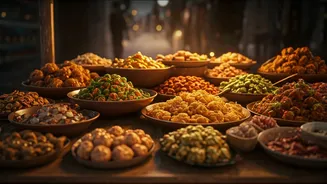
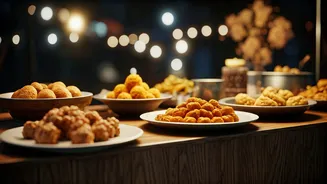
picture, but a vibrant urban hub where tradition and modernity collide in the most delicious way. Areas like Fancy Bazaar and the bustling G.S. Road are the city’s beating heart, especially as dusk settles. The daytime heat gives way to a pleasant evening breeze, and suddenly, the sidewalks transform into an open-air food festival. Families, students, and office workers spill out onto the streets, united by a singular, joyful pursuit: finding the perfect evening snack.
An Introduction in a Single Bite
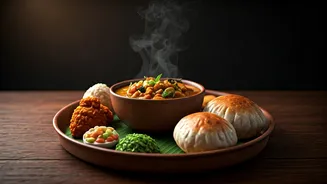
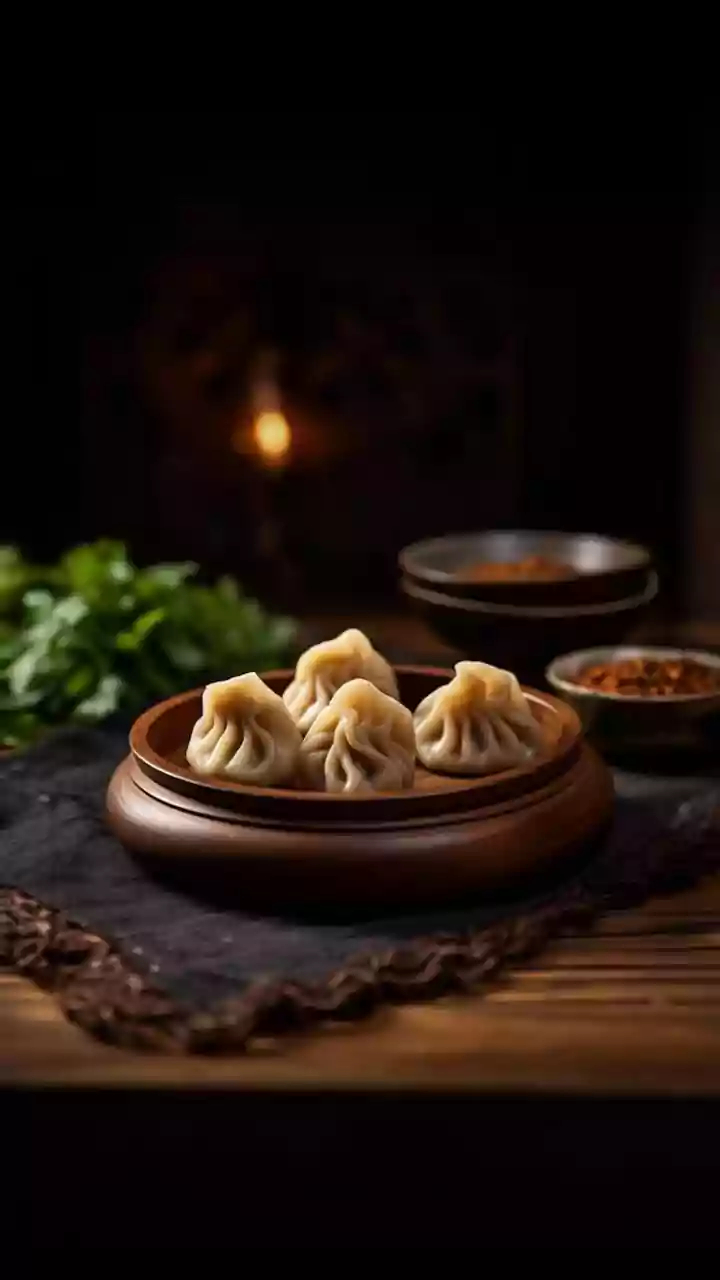
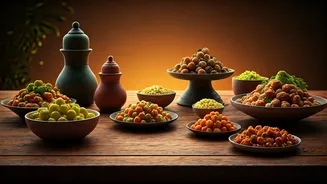
Your first stop must be for a plate of momos. While these steamed dumplings are found across India, the Assamese version feels distinct, a nod to the region's proximity to Southeast Asia. Tender, thin wrappers encase fillings of spiced minced chicken, pork, or vegetables, served piping hot with a fiery red chili dip. But the true star of the street-snack show is the *puchka*. To an American eye, it resembles a tiny, hollow, crispy sphere. A vendor, with the dexterity of a magician, pokes a hole in the top, fills it with a mixture of spiced potatoes and chickpeas, and dunks it into a tangy, tamarind-infused water before placing it directly into your hand. You have to eat it in one go, a perfect explosion of crunchy, savory, sweet, and tangy flavors that defines the city's fast-paced food culture.
The Soul of an Assamese Meal
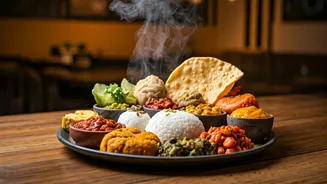
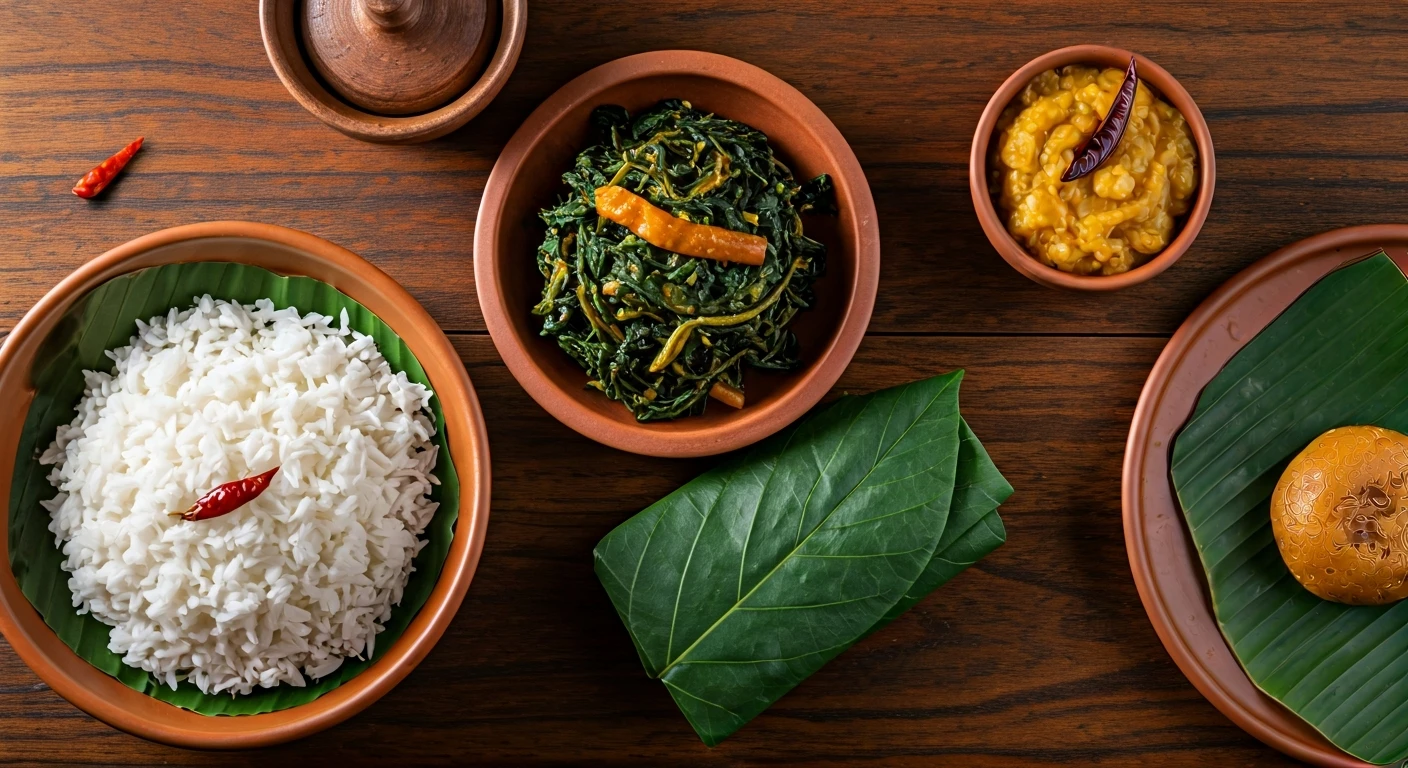
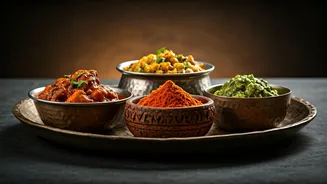
Beyond the quick bites lies the profound depth of a traditional Assamese meal, or *thali*. This isn't just a collection of dishes; it's a balanced, culinary philosophy on a plate. The centerpiece is always rice, surrounded by small bowls (*katoris*) holding a symphony of flavors. You’ll find *khar*, an unusual and iconic dish made with raw papaya and pulses, filtered through water with dried banana peels to give it a unique alkaline taste that’s said to cleanse the palate. Then there's *masor tenga*, a sour fish curry that is the absolute soul of Assamese cuisine. The sourness, derived from tomatoes, lemon, or elephant apple, is light and refreshing, cutting through the humidity. Accompanied by various *bhajis* (fried vegetables) and a dal, the thali is a wholesome, grounding experience that tells the story of the land and its reliance on the river.
Sweet Endings and Chai Stops
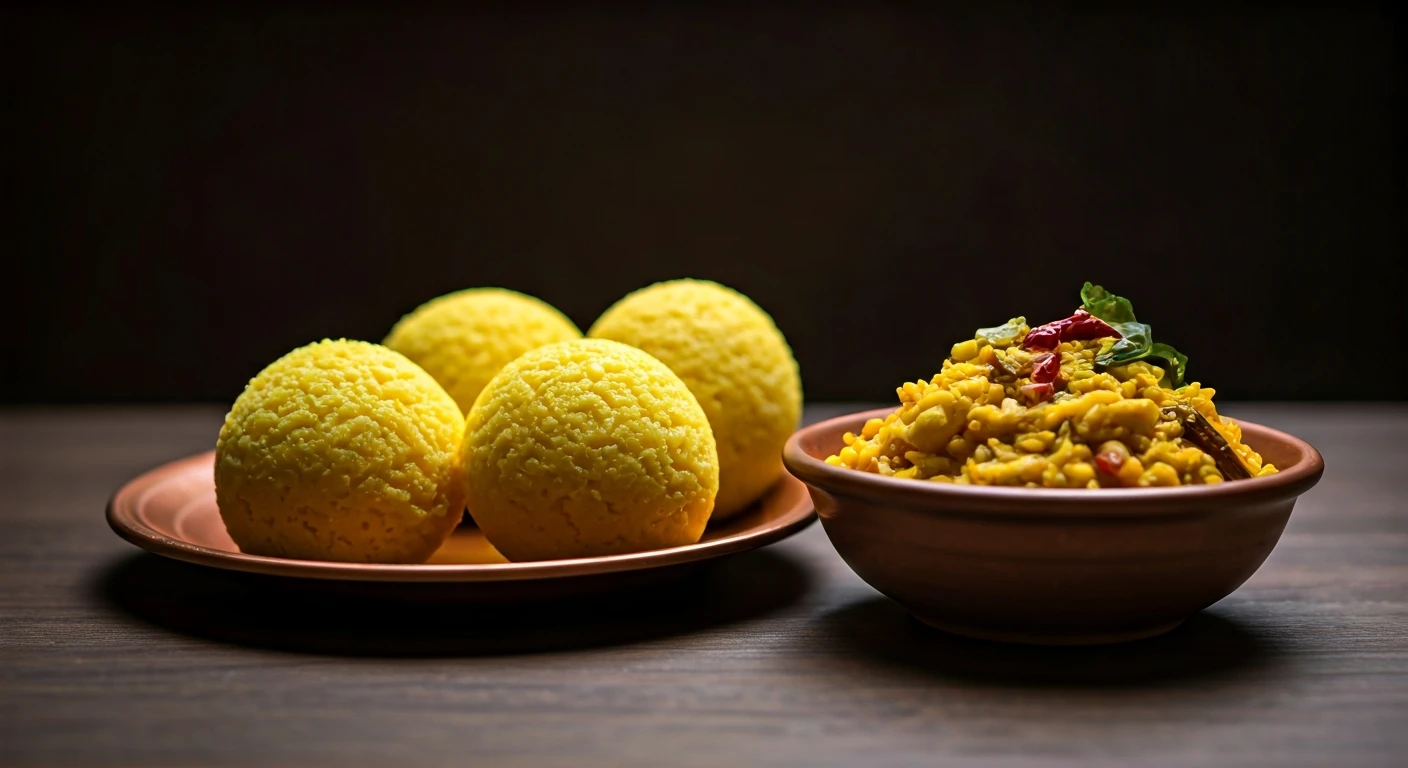
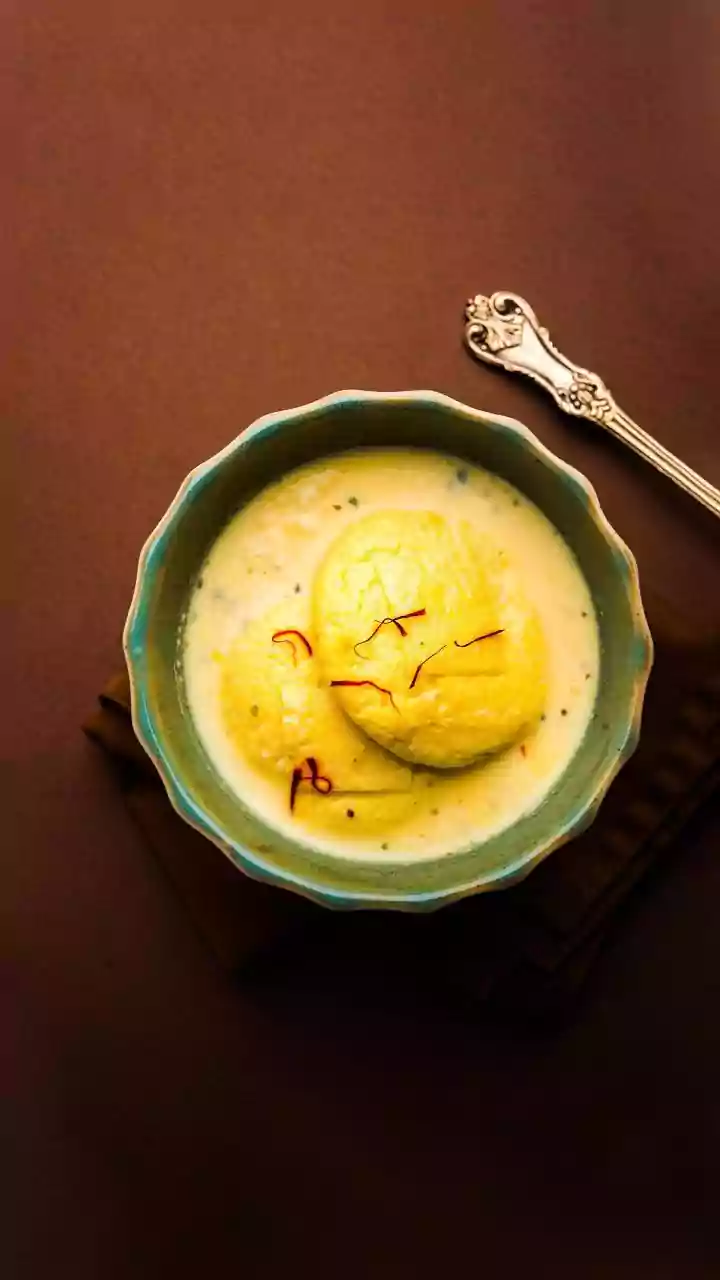
No food journey in Guwahati is complete without indulging in the local sweets, which are often subtle and less saccharine than in other parts of India. Look for *pitha*, traditional rice cakes that come in dozens of varieties, some steamed in bamboo, others fried, and often filled with coconut and jaggery (a type of unrefined cane sugar). These are especially prevalent during festivals like Bihu, but you can find them year-round. And, of course, there is tea. This is Assam, the world's largest tea-growing region by production. But forget fancy tea rooms. The best chai is found at humble roadside stalls, brewed milky and sweet with a hint of ginger or cardamom. It’s the fuel that keeps the city running, a moment of pause and conversation shared on a crowded street corner, perfectly encapsulating the warm, communal spirit of Guwahati.