

The Spice Revolution
The foundation of any great Desi dish is its spices, but for decades, the options in the U.S. were limited. Many first-generation immigrants relied on spices brought back in suitcases or settled for dusty tins from the back of an international grocery
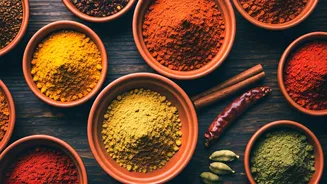
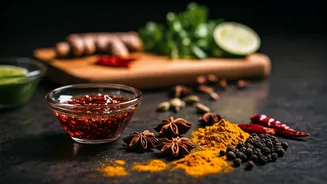
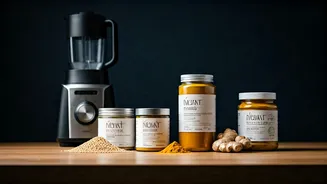
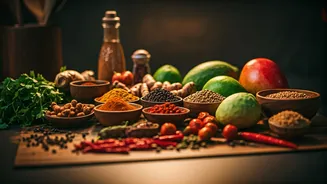
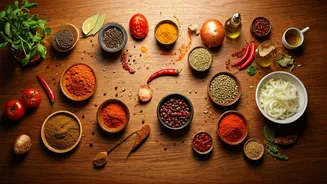
store. That reality is a distant memory. The biggest part of the Desi cooking upgrade starts here, with a full-blown spice revolution. Companies like Diaspora Co. are leading the charge, sourcing single-origin, heirloom spices directly from farms in India and Sri Lanka. They talk about terroir, harvest dates, and equitable pay for farmers—language previously reserved for coffee or wine. Similarly, Spicewalla, founded by a James Beard-nominated chef, offers incredibly fresh, small-batch masalas and individual spices. This isn't just about better ingredients; it's a fundamental shift in perspective. It treats the building blocks of Desi cooking with the reverence they deserve, empowering home cooks to create dishes with unprecedented depth and vibrancy. The result? A dal that tastes richer, a biryani that smells more aromatic, and a connection to the food that feels more direct and meaningful.
Indian-ish and Proud
The second major upgrade is happening on our bookshelves and in our social media feeds. A new generation of cookbook authors and influencers, often second-generation South Asians, are redefining what it means to cook Desi food in a modern American context. Priya Krishna’s seminal cookbook, “Indian-ish,” blew the doors open, giving a name to the hybrid cooking style of many diaspora kids. Her recipes, like Roti Pizza or Saag Feta, aren't about diluting tradition but adapting it with love and ingenuity to a new environment. This movement is about shedding the pressure of rigid “authenticity.” It acknowledges that a weeknight meal doesn't need to be a ten-step, three-hour affair. It can be a clever hack, a mash-up of cultures, or a simplified classic that still delivers on flavor. This approach has liberated home cooks, especially younger ones, from the anxiety of not getting it “right.” It celebrates creativity and personal history, making Desi cooking more accessible, fun, and representative of their multifaceted identities.
New Tools for Old Traditions
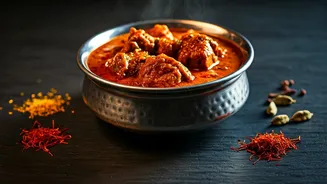
You can’t talk about the modern Desi kitchen without mentioning the Instant Pot. The electric pressure cooker became a phenomenon across America, but it was adopted with a unique fervor in South Asian households. Suddenly, lentils that took an hour to soften were done in minutes. Complex curries that required constant monitoring could be made with the press of a button. It was a technological leap that perfectly suited the cuisine's fundamentals, saving time without sacrificing the deep, slow-cooked flavors. Beyond miracle gadgets, the aesthetic of the Desi kitchen is also getting an upgrade. Brands are creating cookware that is both beautiful and functional, designed to be displayed, not hidden away. Think brightly colored masala dabbas (spice boxes) and elegantly designed chapati boards. This shift signifies a growing cultural confidence—a desire to not just cook this food, but to celebrate the entire process with tools that bring joy and style to the kitchen.
From Niche to National
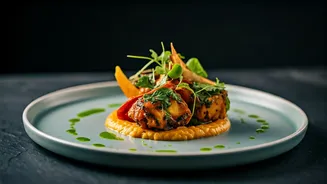
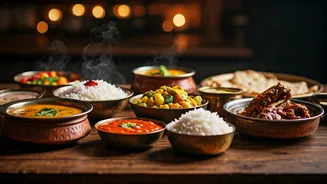
Perhaps the most significant upgrade is the journey from the private kitchen to the public square. What was once a niche, home-bound cuisine is now a mainstream American staple. You can find high-quality ghee and turmeric lattes at Whole Foods. Restaurants are serving inventive Indian-inspired small plates alongside craft cocktails. This mainstream acceptance has a powerful ripple effect on home cooks. It validates the flavors and traditions they grew up with, encouraging them to share their culinary heritage more openly. When your neighbor is trying to perfect their chicken tikka masala, it makes you more likely to perfect your grandmother's recipe for rajma. This isn't about appropriation; it's about integration. The Desi flavor profile—with its bold spices, complex sauces, and vegetarian-friendly options—is becoming an integral part of the modern American palate, enriching everyone's dinner table in the process.