





The Backlash to Lab-Grown Wellness
For years, the wellness industry was dominated by sleek packaging, proprietary powders, and lab-engineered protein bars promising peak performance. But a quiet rebellion is underway. Health-conscious consumers are growing weary of unpronounceable ingredient
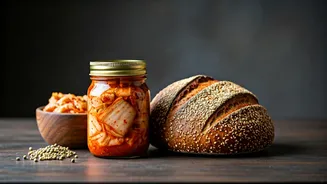
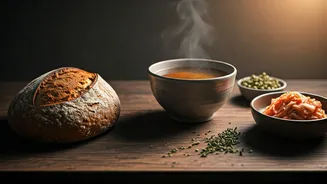
lists and the feeling that their diet requires a chemistry degree. This isn't about rejecting health; it's about redefining it. The new frontier of wellness looks a lot like your great-grandmother's kitchen. Instead of a post-workout shake made from pea protein isolate, people are reaching for a glass of kefir. Instead of a fiber-enriched snack bar, they’re slicing into a loaf of naturally leavened sourdough bread. This movement represents a significant pivot from manufactured 'clean eating' to something more tangible, historical, and transparent.
Searching for Nutrient Density
A primary driver of this trend is the pursuit of 'nutrient density'—foods that pack the maximum nutritional punch per calorie. Traditional preparation methods were often designed to do exactly that. Fermentation, for example, not only preserves food but also creates beneficial probiotics that support gut health. The process of making real sourdough bread breaks down glutens and phytic acid, making the grain’s minerals more accessible to the body. Similarly, bone broth, slowly simmered for hours, releases collagen, gelatin, and amino acids that are difficult to get from a diet of lean muscle meat alone. Even the once-maligned category of organ meats is making a comeback among fitness and wellness advocates, who praise liver and heart for their unparalleled concentrations of B vitamins, iron, and CoQ10. This isn’t about discovering a new 'superfood,' but rather rediscovering the inherent wisdom in whole, unprocessed foods.
A Connection to Heritage and Place
Beyond the nutritional science, the embrace of traditional foods is deeply emotional. In a globalized, fast-paced world, these foods offer a powerful connection to history, family, and a sense of place. For many, learning to bake sourdough isn't just a culinary project; it's a way to participate in a practice that has sustained humanity for millennia. Making kimchi or sauerkraut can be a way to honor one's cultural heritage or connect with the traditions of immigrant grandparents. This return to ancestral eating taps into a collective desire for authenticity and meaning. It's a rejection of the idea that health comes in a plastic tub shipped from a warehouse. Instead, it suggests that well-being can be cultivated in our own kitchens, using techniques passed down through generations. It’s slow, deliberate, and deeply personal.
How the Trend Is Taking Shape
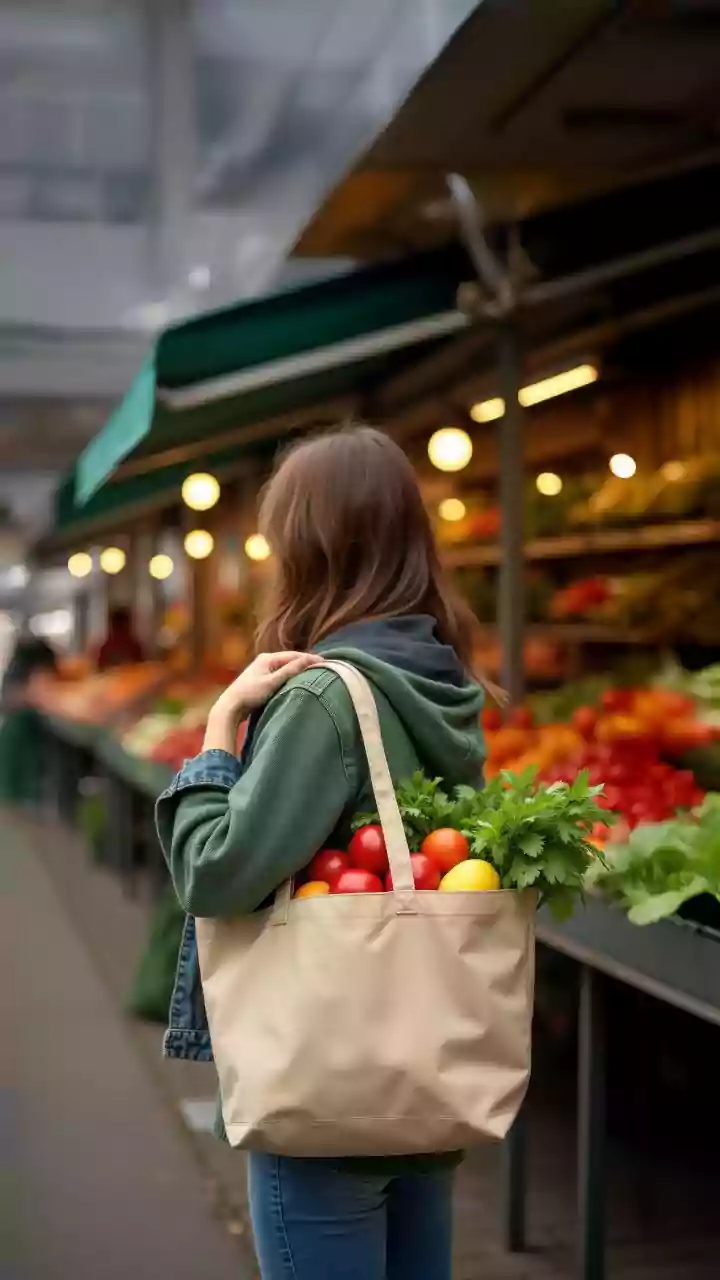
This movement isn't confined to niche forums; it's visible across mainstream culture. Farmers' markets are bustling with vendors selling small-batch fermented vegetables and grass-fed organ meats. High-end restaurants proudly feature house-made ferments and whole-animal butchery on their menus. On social media platforms like TikTok and Instagram, influencers who once promoted juice cleanses are now sharing tutorials on making milk kefir or rendering tallow. The aesthetic has shifted from minimalist white labs to rustic, lived-in kitchens. The conversation is less about restriction and 'eating clean' and more about abundance, nourishment, and flavor. It suggests a more mature and sustainable vision of health—one that celebrates complexity and tradition over simplistic, marketable rules.