




Tulsi (Holy Basil): The Sacred Staple
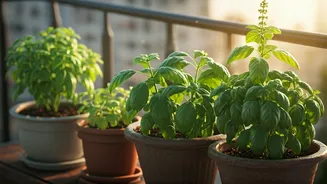
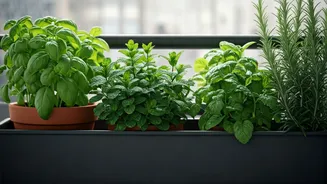
More than just an herb, Tulsi is revered in Hindu culture and celebrated in Ayurvedic traditions. Its clove-like, peppery aroma and flavor make it a wonderful addition to teas and some culinary dishes. For the small-space gardener, Tulsi is a gift. It's
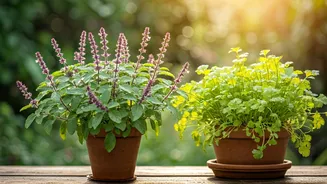
naturally compact, loves the confines of a pot, and its regular need for pruning (to prevent it from flowering and going to seed) means you’ll always have fresh leaves on hand. To grow Tulsi successfully, think sunshine. It needs at least 6 hours of direct sunlight per day, making a south-facing window or sunny balcony ideal. Use a well-draining potting mix and a container that’s at least 10-12 inches in diameter to give its roots room to grow. Water it when the top inch of soil feels dry, but don’t let it sit in a saucer of water, which can lead to root rot. The most common variety in the U.S. is Rama Tulsi, known for its green leaves and pleasant fragrance. By pinching off the flower buds as they appear, you’ll encourage the plant to become bushier and produce more of its delicious, fragrant leaves.
Mint: The Aggressive but Generous Guest
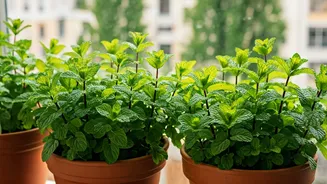
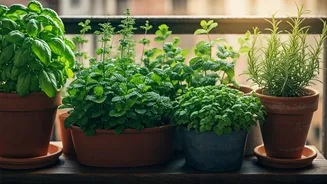
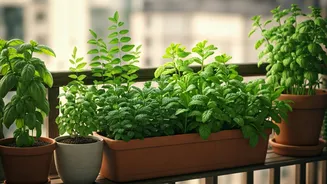
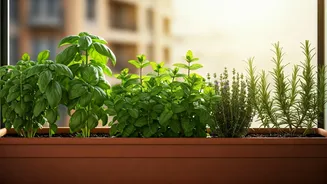
Anyone who has planted mint in a garden bed will tell you the same story: it’s a takeover artist. Its runners spread underground, popping up everywhere. But this very characteristic makes it the perfect candidate for container gardening. A pot is the only thing that can contain mint’s boundless enthusiasm, turning a potential garden bully into a well-behaved and incredibly productive plant for your patio or windowsill.
Growing mint is famously easy. All it really asks for is consistent moisture and a little bit of sun. While it can tolerate full sun, it often does better with some afternoon shade, especially in hotter climates. Plant it in any standard potting mix in a pot at least 8-10 inches wide. Water it regularly to keep the soil lightly moist. The best part? The more you harvest, the more it grows. Snip stems regularly for your mojitos, teas, and salads. Popular varieties like spearmint and peppermint are classics for a reason, but don't shy away from chocolate mint or apple mint for a fun twist. Just remember the golden rule: one mint variety per pot, unless you want them to cross-pollinate and lose their distinct flavors.
Curry Leaf Plant: The Prized Perennial
Unlike the other herbs on this list, the curry leaf plant (Murraya koenigii) isn't an annual herb but a small, subtropical tree. Its aromatic leaves are an irreplaceable ingredient in South Indian cuisine, and growing your own means you'll never have to settle for the lackluster dried version again. While it requires a bit more patience, it's perfectly suited for container life, especially for gardeners in most parts of the U.S. where it needs to be brought indoors for the winter.
This plant is a sun-worshipper. Give it the sunniest spot you have. When it's actively growing in the spring and summer, it appreciates regular watering and a balanced fertilizer. A well-draining soil mix is crucial. Let the soil dry out slightly between waterings, as it dislikes 'wet feet.' The biggest challenge for American gardeners is overwintering. Once temperatures drop below 50°F, it's time to bring your curry leaf plant inside and place it near a bright window. Its growth will slow dramatically, and it will need much less water. Don't be discouraged if it drops some leaves; it's a natural response to the lower light levels. Come spring, it will bounce back, rewarding you with another season of fragrant leaves for your tadkas and curries.