



First, What Is Chaat?
Before we talk business, let's talk food. For the uninitiated, chaat isn’t a single dish; it’s a whole category of savory snacks that assault the senses in the best way possible. The name itself comes from the Hindi word ‘chaatna,’ meaning ‘to lick,’
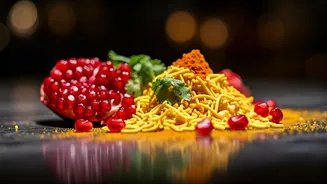
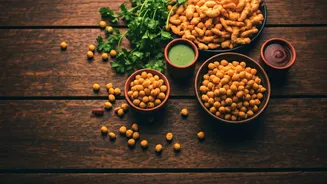
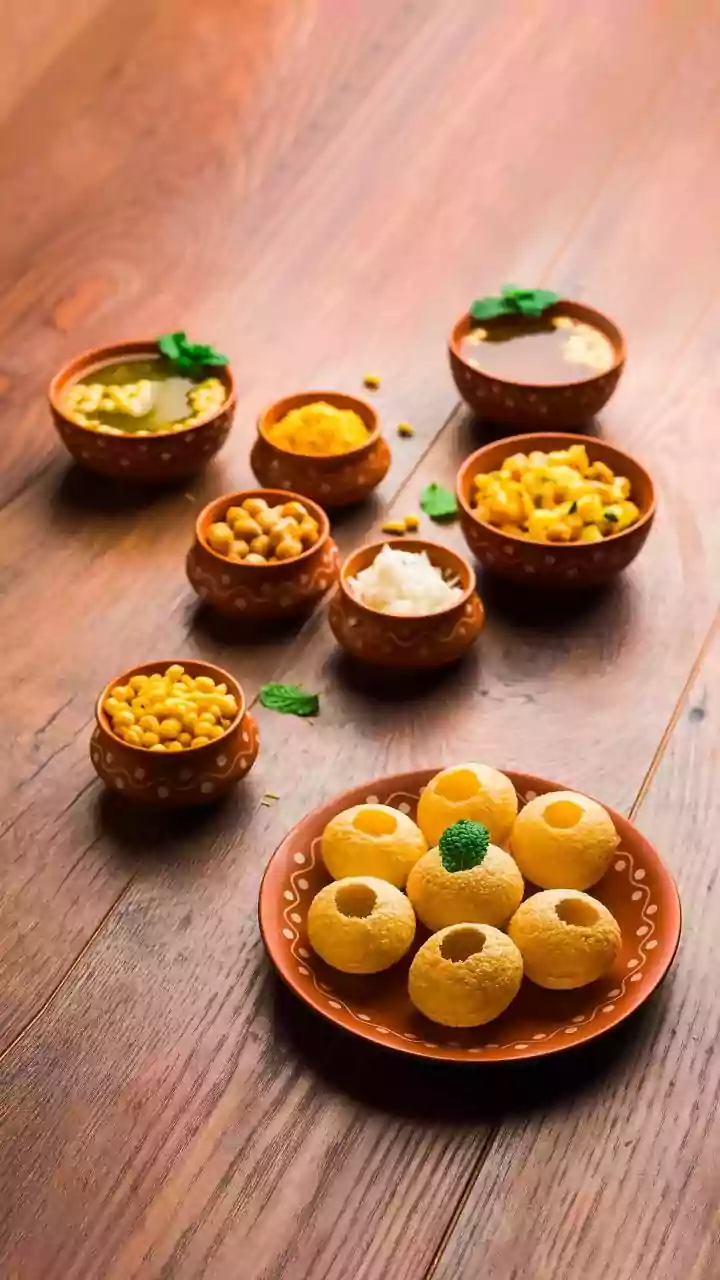
which is exactly what you’ll want to do with the bowl. The foundation is usually something crispy—a fried dough wafer (papdi), a hollow puff (pani puri/golgappa), or a potato patty (aloo tikki). Then comes the magic: a jumble of boiled potatoes, chickpeas, yogurt, tangy tamarind chutney, spicy mint-coriander chutney, and a sprinkle of raw onions, fresh cilantro, and sev (crispy chickpea flour noodles). It’s messy, improvisational, and served fresh from street carts across India, with every vendor adding their own unique touch. It's more than a snack; it's an experience.
The Billion-Dollar Craving
So why are giants like PepsiCo, ITC, and Haldiram’s obsessed with it? The answer is simple: money. India's packaged snack market is colossal and growing at a breakneck pace. As incomes rise and lifestyles become more hectic, consumers are increasingly reaching for convenient, on-the-go options. While potato chips and Western-style snacks have a firm hold, the real prize is tapping into the country's deep-seated love for traditional flavors. The market for ‘ethnic snacks’ is seen as the next frontier. If a company could successfully create a packaged chaat that satisfies a craving the way a bag of Doritos does for an American consumer, the financial upside would be astronomical. They aren't just selling a snack; they're selling a convenient slice of nostalgia and national identity.
The Authenticity Problem
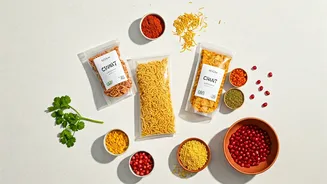
Here’s the catch. Chaat is fundamentally about freshness, texture, and customization. It’s a delicate dance of opposites: hot and cold, soft and crunchy, sweet and sour. These are qualities that don’t play well with mass production and long shelf lives. How do you keep a fried puri crispy after it’s been sitting next to a wet chutney in a package for six weeks? How do you replicate the taste of freshly chopped cilantro or the specific tang of a vendor’s secret tamarind recipe? Most attempts end up being deconstructed ‘DIY’ kits—a bag of crispy elements with separate sauce sachets. It’s a clever workaround, but it lacks the spontaneity and integrated flavor of the real thing. Consumers are savvy; they can spot a soulless imitation from a mile away. The core challenge isn’t just flavor replication; it’s experience replication.
From Street Cart to Shopping Cart
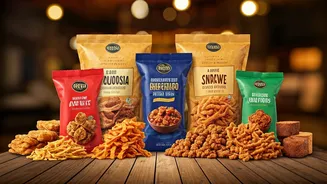
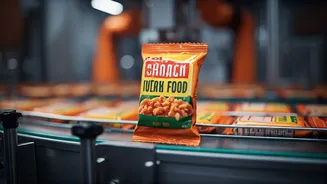
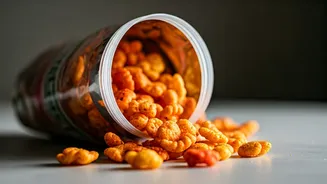
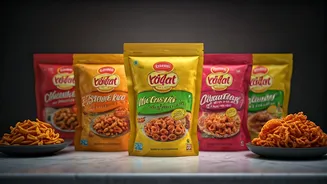
Despite the hurdles, the industry is pushing forward. You can now find various chaat-flavored products, from PepsiCo's Lay's and Kurkure chips mimicking chaat spices to more ambitious ready-to-eat kits. Companies like Haldiram’s, a titan of Indian snacks, have found success with items like Bhel Puri kits, which provide the puffed rice and dry ingredients separately from the wet chutneys. The strategy is to meet the consumer halfway. It’s not the street-side experience, but it’s a quick, hygienic, and accessible version you can make in your kitchen in two minutes. The target isn’t the connoisseur seeking the perfect pani puri; it’s the busy family wanting a fun evening snack or an Indian expatriate in the U.S. desperate for a taste of home. It’s a compromise, trading a little soul for a lot of convenience.