




The Tandoor Gets a Fiery Veg Makeover
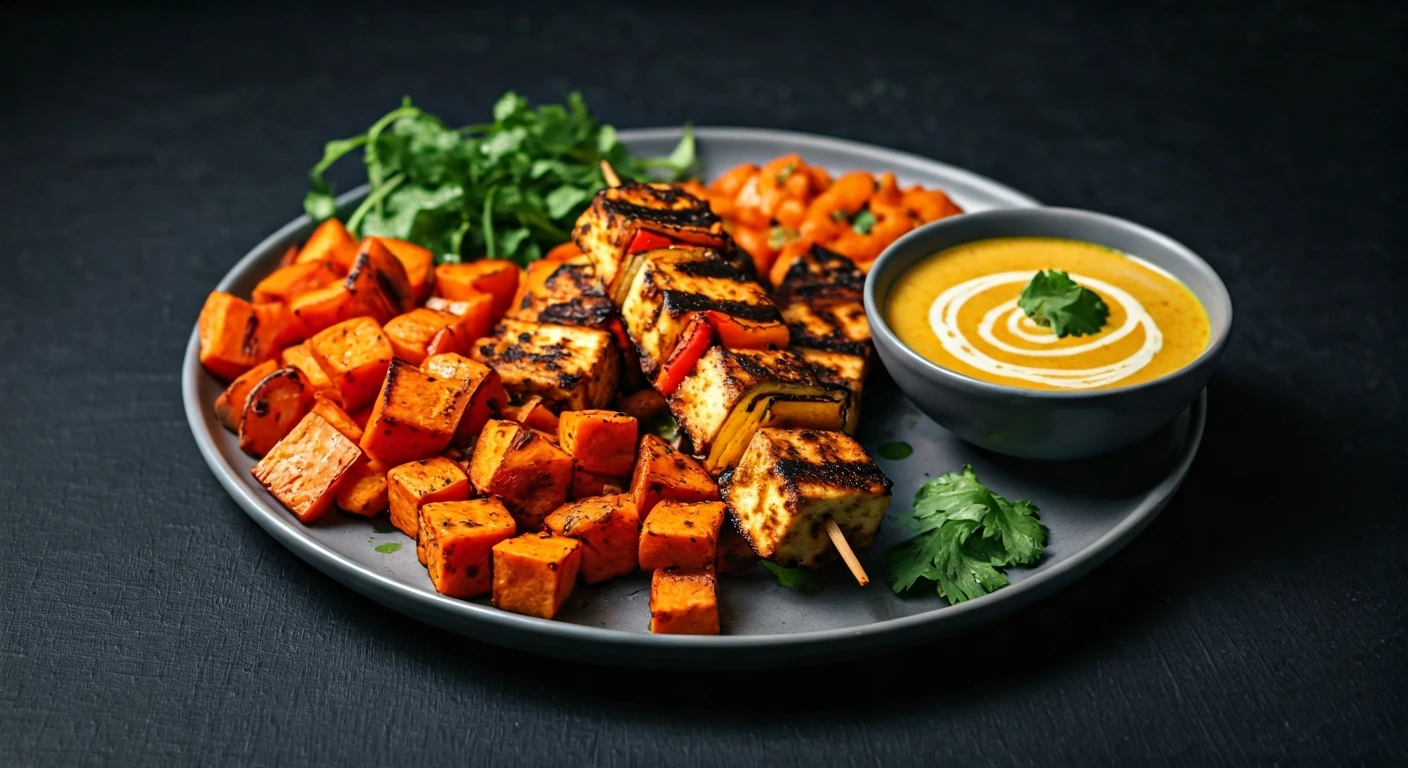
For decades, the tandoor—the iconic clay oven—was the domain of chicken tikka and lamb seekh kebabs. Vegetarian options were often limited to paneer, a mild farmer's cheese. Not anymore. Chefs are now fire-roasting everything from broccoli and cauliflower
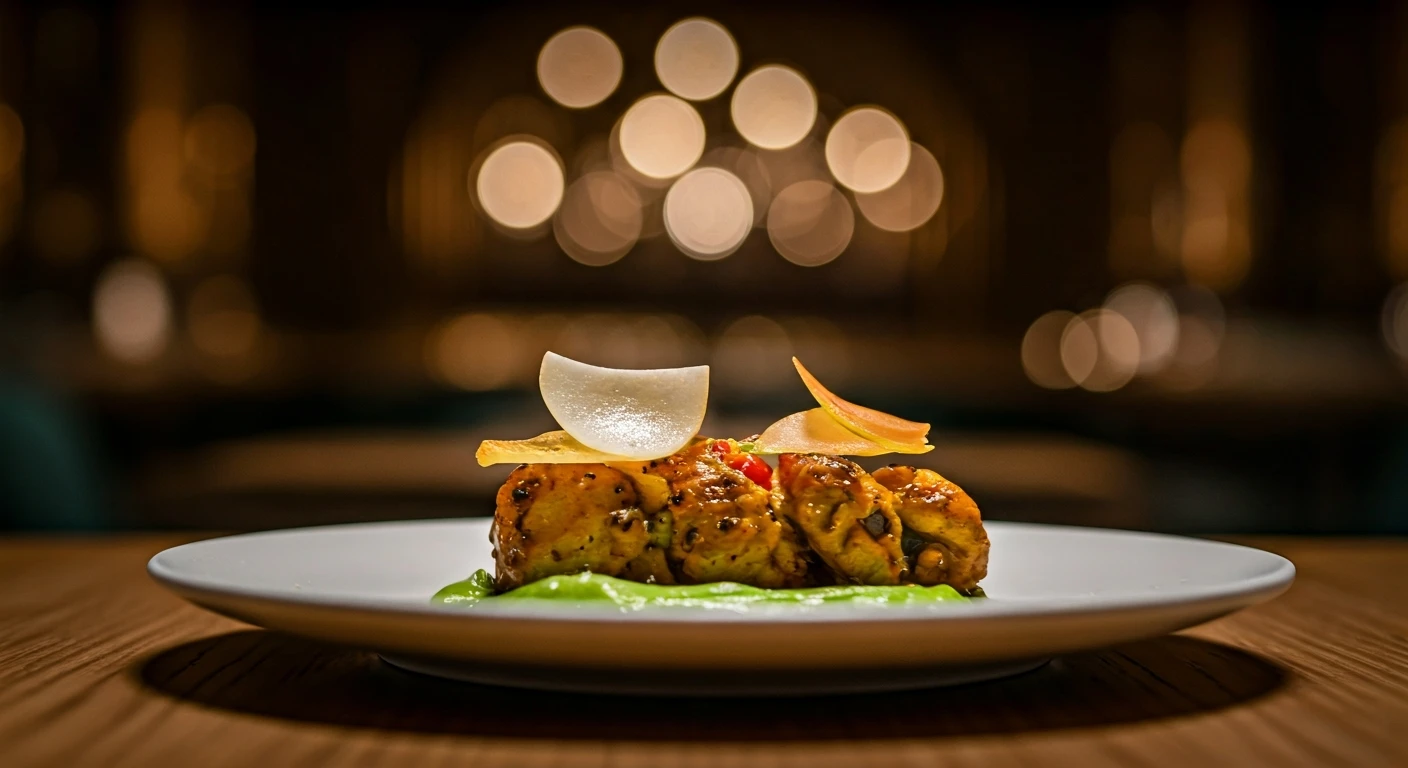
to mushrooms and baby corn, but with a crucial twist: assertive, high-heat marinades. Think broccoli florets crusted in a spicy mustard and chili paste, or whole Portobello mushrooms marinated in a black pepper and yogurt blend that delivers a slow, creeping burn. These dishes aren't just vegetarian alternatives; they are smoky, charred, and intensely flavorful headliners that stand on their own.
Beyond Paneer: Innovative Textures and Flavors
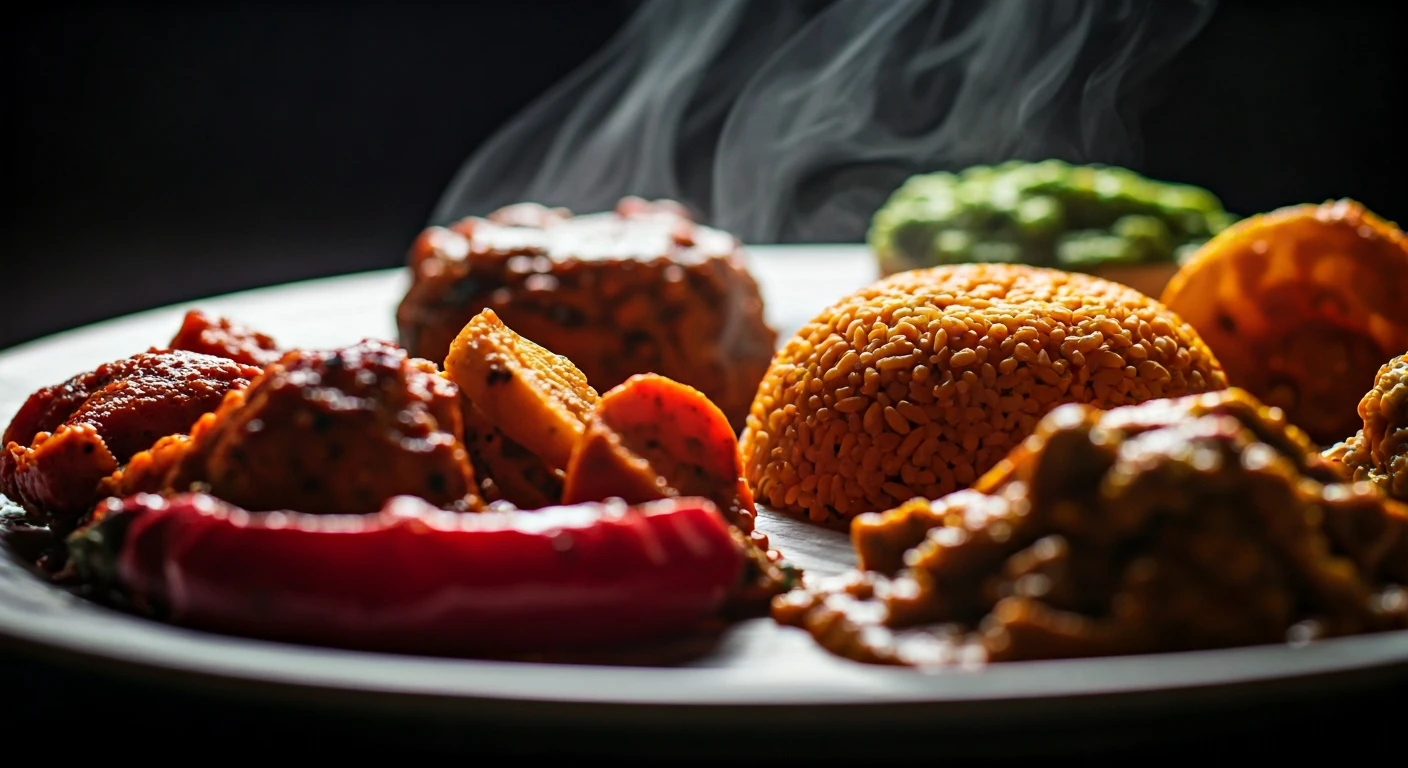
The reliance on paneer as the default vegetarian protein is fading. Modern Delhi kitchens are exploring a universe of other ingredients to carry spice. You'll find hearty kebabs made from ground jackfruit (kathal) or yams (jimikand), seasoned with the same robust garam masala blends once reserved for minced meat. Another rising star is the soya chaap, a soy-based protein with a uniquely chewy, meat-like texture that acts as a perfect sponge for fiery gravies. These dishes offer complex textures and a satisfying bite, proving that a powerful, spicy curry doesn't need meat to be memorable.
Regional Heat Hits the Mainstream
India is a patchwork of incredibly diverse regional cuisines, many of which feature blistering heat. While Northern Indian food, dominant in Delhi, is often rich and creamy, chefs are now borrowing from other parts of the country. You might find a dish inspired by Andhra Pradesh’s Guntur chili, one of the hottest in India, infused into a lentil stew. Or perhaps a modern take on a Kolhapuri curry from Maharashtra, famous for its deep red color and fiery blend of dried chilies and spices, but made with seasonal vegetables instead of the traditional mutton. This cross-pollination brings new dimensions of heat—sharp, smoky, fruity, or earthy—to the capital’s vegetarian scene.
Chaat: From Street Snack to Spicy Starter
Chaat, the beloved category of savory Indian street snacks, has always balanced sweet, sour, and spicy. But in upscale restaurants, chefs are amplifying the 'spicy' element and refining the presentation. Imagine a classic Bhel Puri (puffed rice salad) spiked with a bird’s eye chili-infused tamarind chutney, or a delicate Palak Patta Chaat (crispy spinach leaf) topped not just with yogurt but with a dollop of chili oil. These elevated chaats serve as a perfect opening act, waking up the palate with a burst of flavor and a surprising kick of heat, setting the stage for the intensely flavored main courses to follow.
The Rise of the Ghost Pepper
Once a niche ingredient from India’s Northeast, the Bhut Jolokia, or ghost pepper, has officially gone mainstream in Delhi's high-end kitchens. Known for its intense, scorching heat that builds slowly, it's being used with surgical precision. A touch of ghost pepper can elevate a simple dish of stir-fried vegetables or a creamy dal, adding a profound depth and a thrilling, sweat-inducing fire. You'll see it in chutneys, infused oils, and even in daredevil tasting menus. It’s the ultimate symbol of this trend: vegetarian food that is not just spicy, but fearlessly, exhilaratingly hot.