
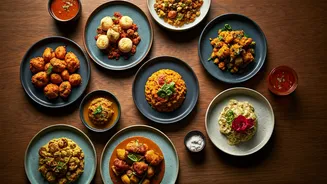


Beyond Butter Chicken and Naan
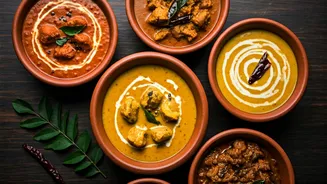
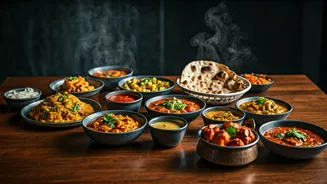
If you asked the average American to describe Indian food, they’d likely paint a picture of North Indian cuisine. It’s the food of Punjab and its surroundings: wheat-based breads like naan and roti, tandoori-grilled meats, and thick, dairy-rich sauces.
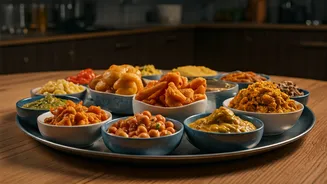
It’s spectacular, and it has rightfully earned its place as a cornerstone of the American takeout rotation. But India is a country of staggering diversity, and its culinary map is no different. The food most of us know represents just one region in a vast and varied landscape. Enter South India. This region—encompassing states like Kerala, Tamil Nadu, Karnataka, Andhra Pradesh, and Telangana—offers a starkly different and incredibly vibrant palate. Here, rice is king, not wheat. The heavy creams and butters of the north are often replaced with the lighter richness of coconut milk, the zing of tamarind, and the aromatic perfume of fresh curry leaves. It’s a cuisine that’s often brighter, spicier, and more reliant on the subtle interplay of sour, sweet, and savory notes.
A Tour of Southern Flavors
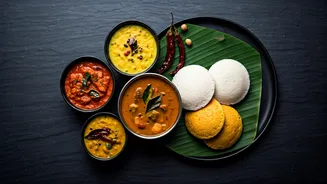
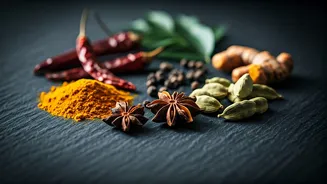
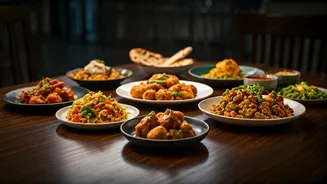
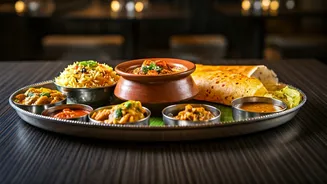
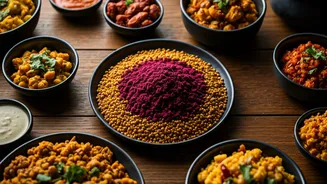
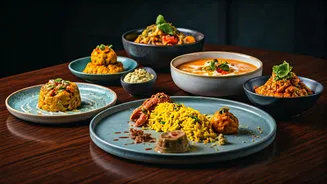
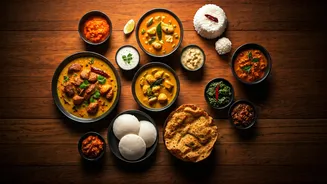
To understand South Indian food is to understand its core components. Forget what you know about the generic “curry powder” from the supermarket shelf. A South Indian kitchen is a symphony of spices, toasted and ground fresh. Black pepper, mustard seeds, fenugreek, and asafoetida are foundational. Lentils and rice aren’t just side dishes; they’re transformed into impossibly thin, crispy crepes (dosa), fluffy steamed cakes (idli), and savory donuts (vada). The curries themselves are a revelation. A Keralan stew might be gentle and fragrant, thickened with coconut milk and seasoned with green chilies and ginger. A Chettinad curry from Tamil Nadu, on the other hand, can be a fiery explosion of black pepper and complex spice blends. And then there's sambar, the ubiquitous lentil-and-vegetable stew that is the lifeblood of the region. Tangy with tamarind and fragrant with its own special spice mix, it’s served with everything from breakfast idlis to a main meal of rice. This isn't just different food; it’s a different philosophy of flavor.
So, Why Is This Happening Now?
For years, South Indian food was largely the domain of those in the know—expats, food-obsessed travelers, and diners in neighborhoods with large South Indian communities. So what changed? The answer is a perfect storm of cultural shifts. First, a new generation of Indian-American chefs and food writers are proudly championing the food they grew up with, moving beyond the homogenized menus of the past. Restaurants like Semma in New York City and Rasa in San Francisco aren't just serving South Indian food; they’re celebrating its deep regionality and history, earning Michelin stars and national acclaim in the process. Second, social media has become a powerful engine of culinary discovery. A perfectly crisp, golden-brown dosa is endlessly photogenic, and TikTok and Instagram are filled with second-generation kids sharing their family’s recipes for everything from avial (a mixed vegetable and coconut stew) to fish moilee. This digital word-of-mouth has demystified the cuisine for a new audience. Finally, American palates are simply more adventurous now, actively seeking authenticity and complexity while also showing interest in the cuisine's many naturally vegan and gluten-free options.
Finding the Flavors Yourself
The best part of this trend is its growing accessibility. What once required a trip to a specialty grocer in a specific neighborhood can now be found with increasing ease. Curry leaves, once a rare find, are popping up in more mainstream markets. Packaged dosa batter is appearing in the refrigerated section next to hummus. And most importantly, dedicated South Indian restaurants are opening outside of traditional enclaves, bringing the joys of paper-thin dosas and tangy sambar to suburbs and mid-sized cities across the country. This isn't about replacing butter chicken. It's about expanding the definition of what “Indian food” can be. It’s an acknowledgment that the food of a billion people can’t be represented by a handful of dishes, no matter how delicious they are.