





A Symphony of Sensory Overload
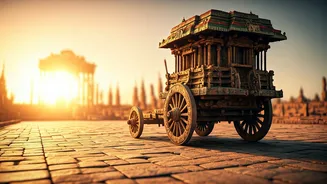
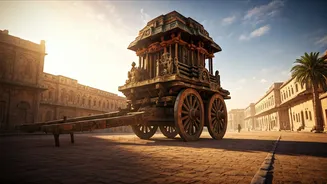
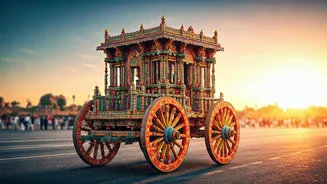
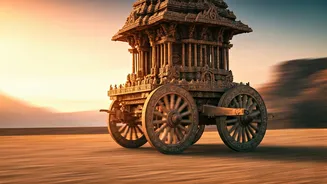
The first thing to understand about a grand chariot procession, like the famous Rath Yatra in Puri, India, is its sheer scale. We’re talking about three colossal wooden chariots, towering 45 feet high, being pulled by thousands of devotees through a sea
of over a million people. The air is thick with the rhythmic clang of cymbals, the resonant blow of conch shells, and the unending chorus of chants and prayers. This isn't just a parade; it's a multi-sensory flood. In our daily lives, we are often distracted by a thousand tiny digital notifications and mental to-do lists. The procession replaces this internal chatter with an external roar so total that it paradoxically quiets the mind. There’s no room left for worrying about emails or deadlines when every one of your senses is completely captivated by the present moment.
The Psychology of Collective Joy
Humans are wired for connection. Sociologists call the feeling of being swept up in a synchronized group activity “collective effervescence.” It's the powerful emotional energy you feel at a live concert or a championship sports game, but magnified a thousandfold. During a chariot festival, you are one among millions, all focused on a single, sacred purpose: moving the deities forward. This shared goal dissolves the ego. Anonymity in a crowd isn't isolating; it's liberating. The boundaries between “self” and “other” blur, fostering a powerful sense of belonging and unity. This feeling of being part of something immense and sacred can wash away personal anxieties, replacing them with a shared, transcendent joy that feels a lot like peace.
A Moving, Active Meditation
The idea of “instant peace” might seem counterintuitive amid such effort, but the physical act of the procession is a form of active meditation. For many, the focus is on pulling the thick, heavy ropes of the chariot. This repetitive, strenuous act requires complete physical and mental presence. It’s a full-body anchor to the here and now. Much like a runner finds a “flow state” where the world falls away, a devotee pulling the rope or a spectator chanting along enters a similar zone. The rhythm of the movement, the pulse of the music, and the shared exertion create a powerful meditative state. It’s mindfulness in motion, forcing a break from the relentless cycle of past regrets and future worries that often robs us of our peace.
The Spiritual Heart: The Act of 'Darshan'
At its core, this experience is profoundly spiritual. The headline’s promise of “deep mental peace” is directly tied to the Hindu concept of *darshan*. This Sanskrit word means “sight” or “viewing,” but it implies something much deeper: a sacred, reciprocal gaze. To witness the deities on their chariots is not passive observation. It is believed to be a direct interaction with the divine, an act that confers blessings and spiritual merit. Devotees believe that by seeing the gods, they are also being seen by them. This moment of perceived divine connection is the spiritual climax of the festival. For a believer, this is the ultimate validation and source of comfort, a powerful experience that can feel like a profound and immediate sense of grace, acceptance, and inner stillness.