


That Gut Feeling Is Real
You scan a menu or stare into your fridge on a sweltering afternoon, and a powerful, almost primal instinct kicks in. The rich, fatty, and complex dishes that offer deep comfort in November suddenly seem absurd. A Reuben sandwich? A bowl of chili? A slice
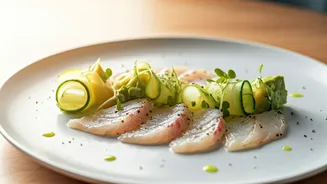
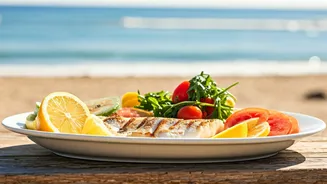
of lasagna? It’s a hard pass. Instead, your mind drifts to watermelon, cucumber salad, grilled fish, or maybe just a tall glass of iced tea. This isn’t a failure of appetite; it’s a brilliant, subconscious act of self-preservation. That feeling of 'wrongness' is your body’s internal thermostat sending a clear message to your brain: 'Please, don't make me work any harder than I already am.' This intuition is so common that we’ve built our entire concept of seasonal eating around it, often without even realizing the science behind the craving.
Your Body's Built-In Air Conditioner
The core reason for this shift is a biological process called the thermic effect of food (TEF). Simply put, your body has to expend energy to digest and process what you eat, and this process generates heat. It’s like a tiny furnace firing up inside you after every meal. Different foods have different thermic effects. Proteins and fats, the cornerstones of a 'rich' meal, require the most energy to break down, thus generating the most internal heat. On a cold day, this is a feature, not a bug—a hearty stew literally helps warm you from the inside. But when it’s 95 degrees outside, your body is already in overdrive trying to cool itself down through sweating and increased blood flow to the skin. Adding a heavy digestive load is like cranking up the heater while the AC is blasting. Your system instinctively rejects the idea because it would force it to fight a war on two fronts: battling the external heat while also managing a surge of internal, digestion-fueled heat.
The Craving for 'Cool' Foods
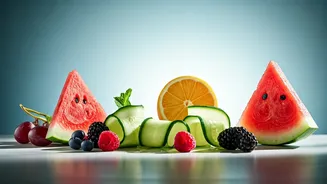
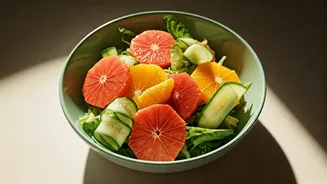
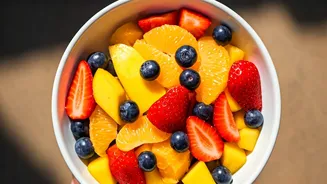
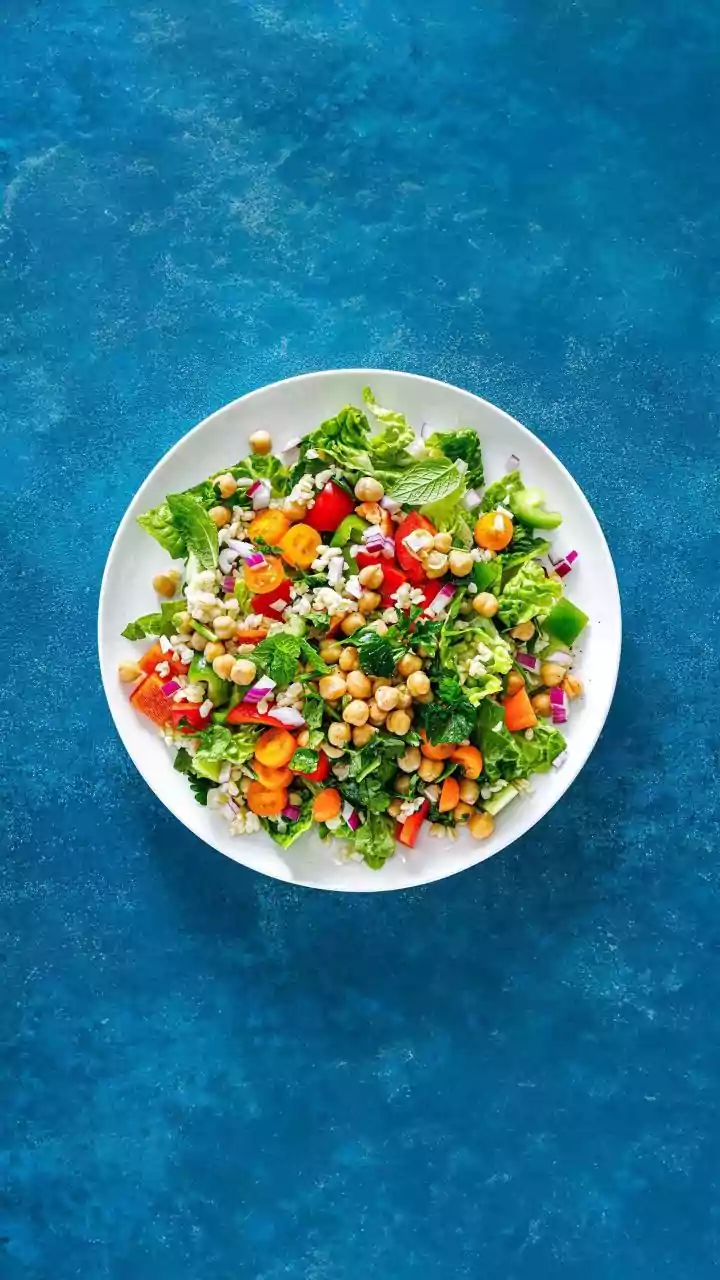
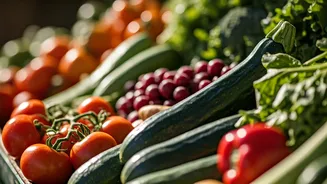
So, what does the body want instead? Two things, primarily: hydration and easy-to-digest nutrients. This is why foods with high water content become so appealing. Think of the crispness of a fresh salad, the juicy burst of a peach, or the refreshing quality of a smoothie. These foods help replenish the fluids you’re losing through sweat, and they are packed with vitamins and minerals that your body needs to function efficiently in stressful conditions. They also require far less energy to digest. Simple carbohydrates, like those found in fruits and vegetables, are processed quickly and with minimal heat generation. This is your body guiding you toward peak efficiency. The desire for a light, hydrating, and simple meal isn't a sign of weakness; it’s a sign that your body’s sophisticated feedback loops are working perfectly.
More Than Just Biology
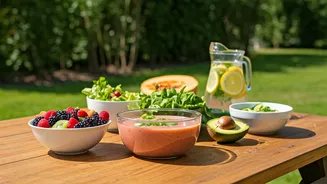
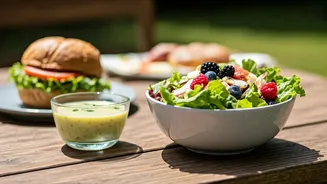
Of course, it’s not all about metabolic rates. Our food choices are deeply cultural, and our collective idea of 'summer food' aligns perfectly with our biological needs. Summer is the season of the garden, the farmer’s market, and the grill. It’s about simplicity and freshness. We associate the season with lighter fare: grilled chicken, corn on the cob, caprese salads, and berry pies. These dishes celebrate the bounty of the season and require less time standing over a hot stove. Winter cooking is about long, slow simmers and oven roasts that fill the house with warmth and rich aromas. Summer cooking, by contrast, is often quick, vibrant, and designed to be eaten outdoors, on a patio, or at a picnic. The cultural narrative of summer—one of ease, leisure, and a slower pace—is reflected on our plates. A heavy, complicated lunch just doesn't fit the vibe.