




It’s Not About Immortality, It’s About ‘Healthspan’
When you hear “longevity,” you might picture a Silicon Valley billionaire trying to live to 150. For Gen Z, the goal is far more practical and immediate. They aren't necessarily obsessed with extending their lifespan, but rather their “healthspan”—the
period of life spent in good health, free from chronic disease and age-related decline. This generation, raised with unprecedented access to information and a deep-seated anxiety about the future, is proactively investing in preventative wellness. It’s a holistic philosophy that encompasses mental health, mindful eating, personalized fitness, and a deep skepticism of the old “work-hard, burn-out” model. They are the first generation to treat wellness not as a luxury or a fix for illness, but as a fundamental, non-negotiable part of daily life. This manifests in everything from tracking sleep with wearable tech to prioritizing therapy and seeking out supplements that promise to reduce stress and improve focus.
Inside India's Wellness Gold Rush
Simultaneously, India is experiencing a wellness boom of staggering proportions. The market, valued in the tens of billions of dollars, is projected to grow exponentially. This isn't just about more yoga studios. It’s a dynamic fusion of ancient tradition and 21st-century commerce. For centuries, India has been the home of holistic wellness systems like Ayurveda, a practice focused on balancing the body’s energies through diet, herbs, and lifestyle. What’s new is the packaging and delivery. Startups are modernizing these ancient traditions for a new generation. Think Ayurvedic principles delivered through a sleek app, herbal remedies sold as convenient gummies, and meditation techniques guided by celebrity voices. This boom is powered by a confluence of factors: a rising middle class with disposable income, increased internet penetration, and a renewed sense of national pride in indigenous knowledge.
The Gen Z Connection
Here’s where the two trends collide. With more than half its population under 25, India has the world’s largest youth demographic. This generation of young Indians is digitally native, globally connected, and heavily influenced by the same wellness trends driving their peers in New York or Los Angeles. They see influencers discussing adaptogens like ashwagandha on Instagram and seek it out, only to find it’s the same ingredient their grandparents have used for generations. This creates a powerful feedback loop. Global Gen Z wellness culture gives them a new vocabulary and framework to appreciate their own heritage. In turn, they become the primary engine of India's domestic wellness market, demanding products that are both authentic and modern. They want the efficacy of traditional herbs but with the convenience and branding of a global direct-to-consumer company.
From Ancient Herbs to Modern Brands
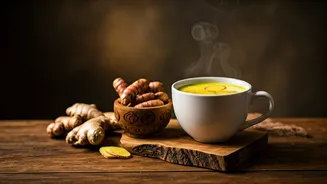
The result is a wave of innovative companies that are capturing this new demand. We're seeing Indian startups attract significant venture capital to sell everything from chic, sustainable yoga wear to high-tech fitness trackers tailored for the Indian market. Brands are taking traditional ingredients like turmeric, moringa, and ashwagandha—once sold in simple powders—and formulating them into sophisticated, lab-tested supplements, teas, and skincare products with slick marketing. These companies aren't just selling a product; they're selling a lifestyle that bridges the gap between ancient wisdom and modern aspiration. They speak the language of Gen Z—sustainability, authenticity, and self-care—while being rooted in practices that are thousands of years old.
Why It Matters in the U.S.
For American consumers, this trend signals a major shift in the global wellness landscape. For years, Western companies have often appropriated and de-contextualized concepts like yoga and Ayurveda. The Indian wellness boom represents a re-centering of that narrative. We are beginning to see more Indian-owned brands enter the U.S. market, offering authentic products and telling their own stories. This means better quality, more transparency, and a direct line to the source of these traditions. As Gen Z’s purchasing power grows, their preference for authentic, globally-minded brands will likely accelerate this trend, making Indian wellness not just an influence on the American market, but a major player within it.