



The Great Burnout Backlash
Remember the 2010s? Social media feeds were a highlight reel of hyper-productivity. Influencers and CEOs alike glorified working through the weekend, surviving on four hours of sleep, and treating exhaustion as a badge of honor. This ‘hustle culture’
promised that relentless effort was the only path to success. The problem? It was a bill that eventually came due. Widespread burnout, anxiety, and a collective questioning of what success even means have led to a powerful cultural recoil. People are realizing that a life spent constantly grinding isn't just unsustainable; it's undesirable. The pandemic accelerated this shift, forcing a massive re-evaluation of work-life balance and personal well-being. The old flex—bragging about how little you slept—suddenly seemed less like a sign of ambition and more like a symptom of poor self-management.
Recovery as an Active Sport
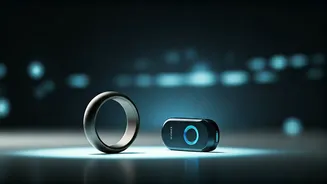
Today’s approach to rest isn’t about passively collapsing on the couch. It’s an active, data-driven pursuit. Recovery has become its own form of performance, complete with its own gear and metrics. Wearables like the Oura Ring and Whoop strap monitor sleep cycles and recovery scores, turning downtime into a quantifiable goal. Instead of just ‘getting some sleep,’ people are now ‘optimizing their REM cycles.’ This new ecosystem includes high-tech tools and expensive services that promise to accelerate recovery. Think cryotherapy chambers, infrared saunas, compression boots, and zero-gravity float tanks. Going for a run is good, but telling people you spent 30 minutes in a NormaTec boot to flush out lactic acid is a statement. It reframes rest from an absence of work into a proactive investment in your body’s—and by extension, your career’s—longevity and peak performance.
The Social Currency of Doing Nothing
This is where the ‘flex’ truly comes in. Posting a picture from a silent meditation retreat, showing off a perfect ‘sleep score’ on your Instagram story, or casually mentioning your weekend was spent at a wellness spa isn't just about sharing a personal update. It’s a powerful social signal. It says, ‘I am so successful that I can afford to invest significant time and money into not working.’ It demonstrates a mastery over your own time and resources that endless hustle never could. While the ‘hustle’ post signals that you’re a hard worker, the ‘recovery’ post signals that you’re an enlightened and strategic leader of your own life. It has become the new aspirational lifestyle—one that prioritizes holistic well-being over raw output. This is the ultimate 21st-century status symbol: proving you have your life so under control that you can afford to unplug, recharge, and do it in style.
Beyond the Bragging Rights
While it's easy to be cynical about the performative nature of ‘wellness flexing,’ the underlying trend is overwhelmingly positive. The cultural shift toward valuing rest is a necessary antidote to a decade of glorifying burnout. The science is unequivocal: adequate sleep and recovery are critical for cognitive function, mental health, physical performance, and long-term productivity. By making rest aspirational, this trend encourages healthier habits on a broad scale. Even if someone starts tracking their sleep to compete with a friend, they are still, ultimately, prioritizing their sleep. The normalization of taking mental health days, setting boundaries with work, and actively recovering from physical and mental stress creates a healthier, more sustainable model for ambition. The flex may be what gets the attention, but the fundamental benefit is a culture that finally understands that you can’t pour from an empty cup.